


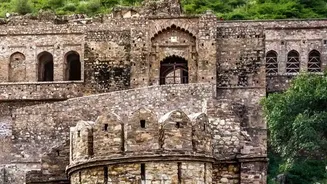

A Mughal Seat of Power
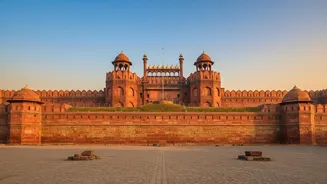
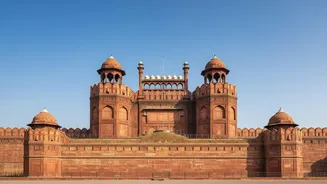
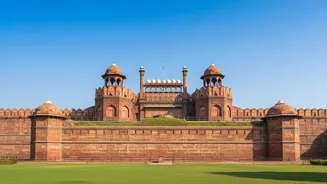
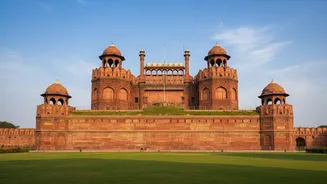
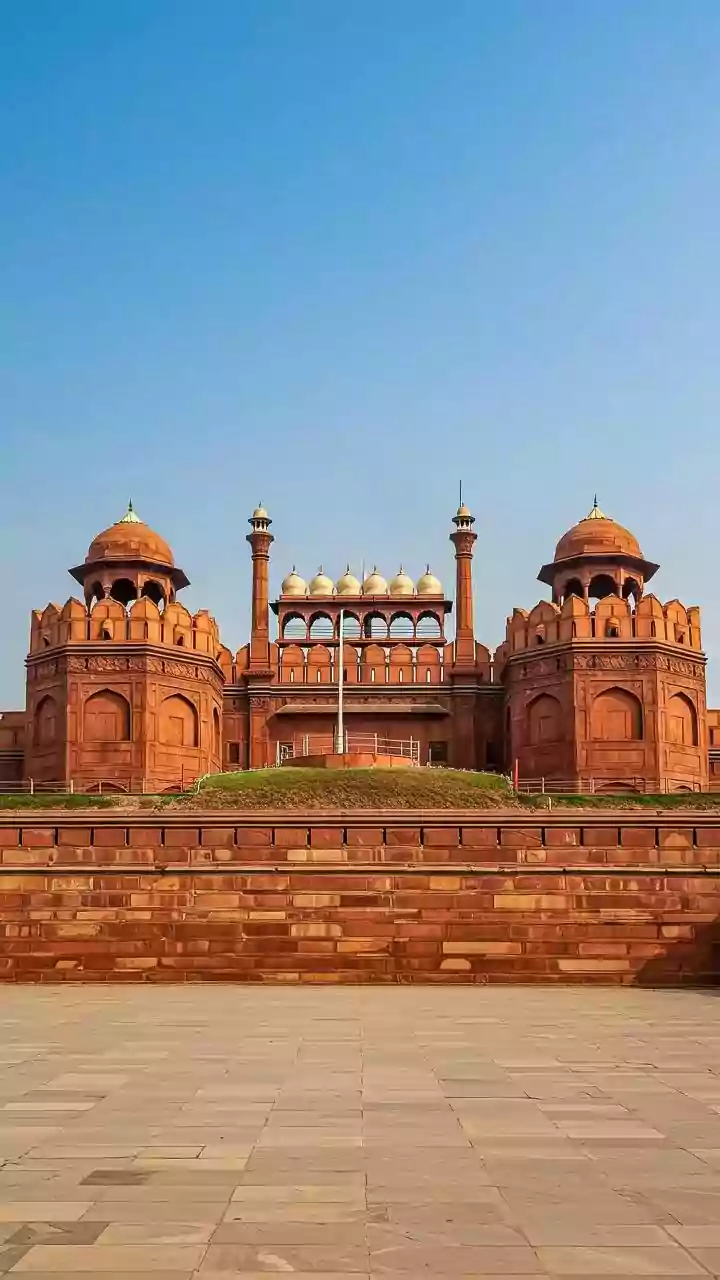
Long before it became a symbol of independent India, the Red Fort, or Lal Qila, was the epicentre of Mughal authority. Commissioned by Emperor Shah Jahan and completed in 1648, this massive red sandstone fortress was the crown jewel of his new capital,
Shahjahanabad. For nearly two centuries, it served as the main residence of the Mughal emperors, a spectacular stage for imperial administration and courtly life. Its magnificent halls, like the Diwan-i-Aam (Hall of Public Audience) and Diwan-i-Khas (Hall of Private Audience), were designed to project an image of absolute power and grandeur, making it the undisputed heart of a vast empire.
Symbol of the 1857 Uprising
The fort's identity underwent a dramatic transformation during the First War of Independence in 1857. As sepoy rebels marched to Delhi, they instinctively rallied at the Red Fort, proclaiming the aged Mughal emperor, Bahadur Shah Zafar, as their symbolic leader. The fort, once a symbol of imperial might, became the nerve centre of resistance against British rule. This act cemented its place in the national consciousness as a bastion of Indian authority against foreign domination. After the British crushed the rebellion, they exiled the emperor and took control of the fort, fully aware that possessing it meant possessing the symbolic key to India.
The INA Trials Galvanise a Nation
Nearly a century later, in 1945, the British made a fateful decision to hold the courts-martial of captured Indian National Army (INA) officers at the Red Fort. These officers—Prem Sahgal, Shah Nawaz Khan, and Gurbaksh Singh Dhillon—had fought alongside the Japanese during World War II with the aim of liberating India. The British charged them with treason for 'waging war against the King-Emperor'. The choice of venue, intended to project British supremacy, backfired spectacularly. The trials ignited a firestorm of nationalist sentiment across the country, transforming the INA men into national heroes and the Red Fort into a potent symbol of anti-colonial resistance. The slogan of the INA, 'Dilli Chalo' (On to Delhi), now echoed with the promise of claiming the Red Fort for a free India.
A New Dawn in 1947
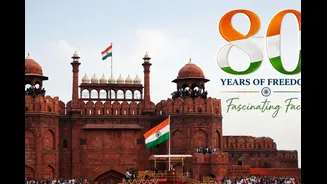
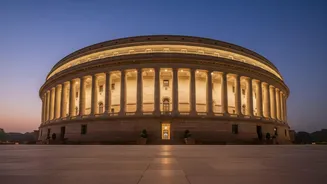
This deep symbolic resonance made the Red Fort the only logical choice for celebrating India's hard-won freedom. On August 15, 1947, India’s first Prime Minister, Jawaharlal Nehru, chose not the sprawling administrative buildings of Lutyens' Delhi but the ramparts of the Red Fort to hoist the tricolour. This act was a deliberate and powerful reclamation. By addressing the nation from the very spot that had symbolised both Mughal power and British conquest, Nehru was transforming it into a symbol of Indian sovereignty and a democratic future. It was a clear message: the seat of power had finally been returned to the people of India.
A Continuing Legacy
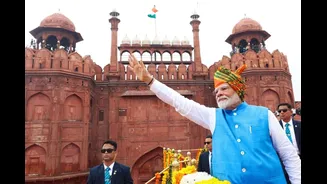
Since that historic day, the tradition has continued, cementing the Red Fort’s role in India's national identity. Each year, the Prime Minister's speech from the fort is not just a political address but a national ritual. It serves as a moment of collective reflection, a report card to the nation, and a platform to outline future aspirations. The ceremony connects the modern Indian state to its long and complex past, from the Mughals to the freedom struggle. It is a powerful annual reminder that the fort is not merely a monument, but a living testament to India's journey—a symbol of resilience, unity, and the enduring promise of freedom.