







Understanding Clove’s Power
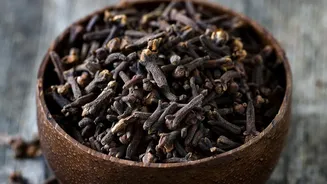
Cloves are the dried, unopened flower buds of an evergreen tree, and they possess a uniquely intense flavor that is warm, sweet, and slightly peppery. This potent profile comes from a compound called eugenol, which gives cloves their signature aroma and lingering
warmth. Because of this intensity, a little goes a very long way; it's a spice that demands respect. Ground cloves offer a more immediate and dispersed flavor, making them ideal for batters and doughs. Whole cloves are better for infusions, where they can slowly release their essence into liquids and then be removed before serving. A good rule of thumb for baking is to start with about a quarter teaspoon of ground cloves per two cups of flour, adjusting from there to avoid overpowering other ingredients.
The Classic Companion: Apple & Pear
The pairing of cloves and apples is a timeless classic for a reason. The spice’s fiery warmth beautifully balances the sweet-tartness of the fruit. Think of a bubbling apple crumble or a simple baked apple where a hint of clove elevates the dish from simple to sublime. It brings a complexity that cinnamon alone can't quite achieve. A clove-spiced apple pie, for instance, offers a brighter, more aromatic experience than its traditional counterpart. This pairing works just as well with pears, whose delicate sweetness is given structure and depth by the spice. Whether it's a pear tart, a spiced fruit compote, or an apple strudel, cloves add that quintessential autumnal warmth.
An Unexpected Romance: Chocolate & Clove
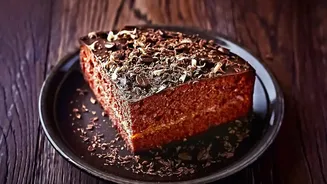
While not as common, the combination of chocolate and clove is a sophisticated and rewarding one. The sharp, spicy notes of clove can cut through the rich bitterness of dark chocolate, creating a flavor profile that is both complex and memorable. This pairing works exceptionally well in dense, deeply flavored desserts. Imagine a molten chocolate lava cake with a whisper of clove in the batter, or a rich chocolate mousse where the spice adds an unexpected, warming finish. An apple strudel with a clove-chocolate glaze is another way to explore this dynamic duo. The key is subtlety; the clove should be a supporting actor that enhances the chocolate, not the star of the show.
A Zesty Twist: Citrus & Spice
The bright, acidic notes of citrus fruits like orange, lemon, and tangerine find a perfect partner in the warm, spicy depth of cloves. The spice mellows the sharp acidity while the citrus brightens the clove's earthy undertones. This combination is fantastic in baked goods and preserves. An orange and clove shortbread cookie, for example, is both festive and refined. A lemon-clove pound cake offers a delightful twist on a classic, and a homemade citrus-clove marmalade can brighten up any breakfast table. Infusing syrups with citrus peel and whole cloves is another excellent technique, creating a versatile ingredient for cocktails, glazes, or drizzling over desserts.
Creamy Creations: Custards and Puddings
The pungent power of clove can be beautifully tamed by the creamy, fatty nature of custards, puddings, and crème anglaise. Instead of using ground cloves, which can create a speckled appearance and a harsher flavor, it's best to infuse the milk or cream with whole cloves. By gently simmering the dairy with a few whole cloves and then straining them out, you impart a delicate, aromatic essence without overwhelming the dish. This technique works wonderfully for baked custards, panna cotta, rice pudding, and even ice cream bases. A cinnamon and clove-spiced custard is a classic Tuscan dessert, showcasing how well these flavors meld into a rich, comforting treat.