





The Power of Pomegranates?
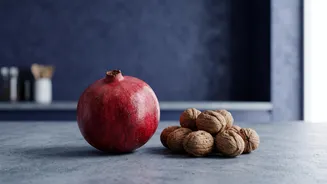
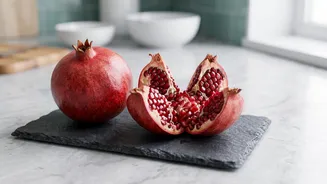
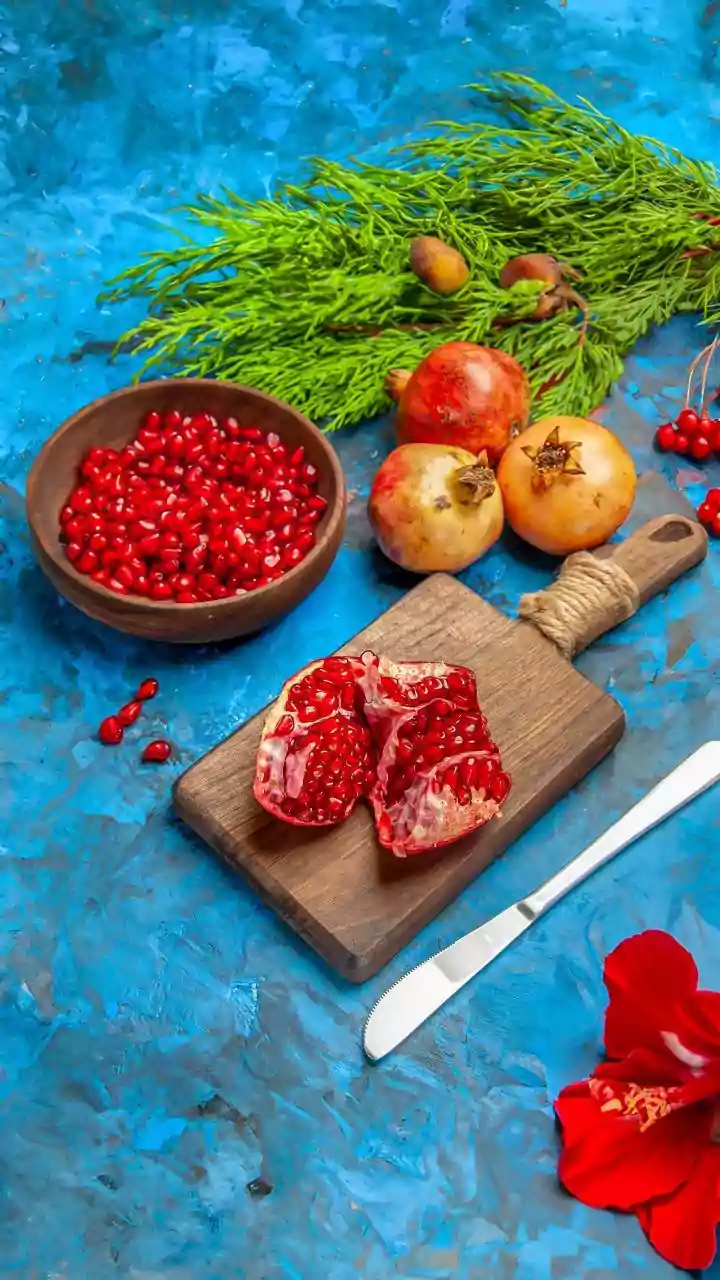
The compound at the center of this research is Urolithin A. It isn’t found directly in food, but our bodies can create it. When you eat foods rich in plant compounds called ellagitannins—found in pomegranates, walnuts, raspberries, and strawberries—specific
bacteria in your gut get to work. They metabolize these compounds and produce Urolithin A as a byproduct. For years, this molecule has interested scientists for its potential anti-aging and anti-inflammatory properties. However, not everyone's gut microbiome is equipped to perform this conversion, meaning a diet rich in these foods doesn't guarantee high levels of Urolithin A for all.
The Problem with a Scarred Heart
To understand the study's significance, it's important to know about cardiac fibrosis, or scarring of the heart muscle. This scarring can happen after a heart attack or develop slowly due to chronic conditions like high blood pressure and diabetes. Scar tissue is stiff and doesn't contract like healthy heart muscle. As more of it builds up, the heart becomes less efficient, struggling to relax properly between beats to fill with blood. This condition, known as heart failure with preserved ejection fraction (HFpEF), is notoriously difficult to treat and affects a growing number of people. It leads to symptoms like shortness of breath, fatigue, and a reduced ability to exercise.
What the Study Found
Researchers at King's College London investigated whether Urolithin A could help with this type of heart damage. Using animal models, they found that treatment with the compound led to significant improvements. Specifically, Urolithin A helped the stiff heart tissue relax more effectively and reduced the amount of harmful scarring. In some measures of heart function, the improvement was as high as 80% compared to the untreated models. The study, funded by the British Heart Foundation, showed that Urolithin A also reduced the harmful enlargement of heart muscle cells, helping to preserve their normal function.
A New Pathway to Healing
For the first time, the scientists identified exactly how Urolithin A achieves these benefits. It activates a protein called PKGIα, which is crucial for heart muscle relaxation. By targeting this specific protein, the compound appears to set off a chain reaction that makes the heart muscle more flexible. To confirm these findings might be relevant to people, the team also tested Urolithin A on engineered human heart tissue grown from stem cells in the lab. The results were consistent: the human tissue also showed a significantly improved ability to relax, suggesting the effects could potentially translate to patients.
From the Lab to the Clinic
While these findings are incredibly promising, it's important to maintain perspective. This is an early-stage study conducted on animals and lab-grown tissue. More research is needed before this can become a treatment for people. The next steps will involve clinical trials in humans to confirm the safety and effectiveness of Urolithin A for treating heart failure. One advantage is that Urolithin A has already been evaluated in some human safety studies for other purposes and has shown a favourable profile. However, experts caution against self-treating by simply eating more pomegranates. A healthy, balanced diet remains one of the best ways to protect your heart while scientists continue this vital work.