




The Heart of the Indian Kitchen
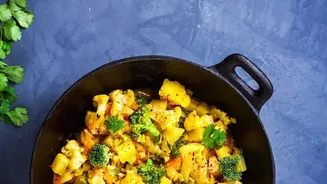
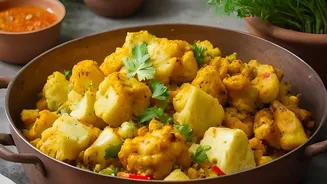
In India, cauliflower, or 'gobi', is a household staple, cherished for its ability to absorb a symphony of spices. The most iconic preparation is arguably Aloo Gobi, a comforting dry curry where cauliflower florets and potatoes are pan-fried with onions,
tomatoes, turmeric, and other aromatic spices. It's a dish that varies from home to home, sometimes prepared as a dry 'sabzi' perfect with roti, and other times with a light gravy to be eaten with rice. Another star is Gobi Manchurian, a wildly popular Indo-Chinese creation. This dish features battered, deep-fried cauliflower florets tossed in a tangy, spicy, and sweet sauce made with soy sauce, ginger, and garlic. Invented in India in the 1970s, it has become a beloved street food and restaurant appetizer, showcasing a delicious fusion of flavors that is uniquely Indian.
The Comfort of a Good Gobi Curry
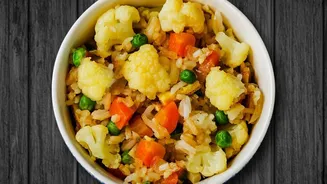
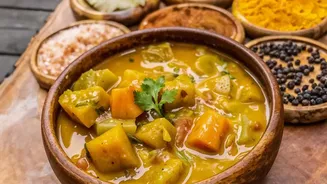
While dry preparations are common, cauliflower truly shines when simmered in a flavorful gravy. A classic cauliflower curry can be made in countless ways. A North Indian style might involve a base of sautéed onions, ginger, garlic, and tomatoes, enriched with spices like garam masala, coriander, and turmeric. For a creamier texture, coconut milk can be added, which also helps to balance the heat of the spices. South Indian versions, like a cauliflower kurma, might have a different spice profile and often use coconut as a base. These curries are incredibly versatile; some recipes call for adding peas (Gobi Matar) or potatoes for a heartier meal. The key is to cook the cauliflower until it is tender but not mushy, allowing it to soak up all the flavors of the sauce.
A Global Tour in a Curry Bowl
The concept of a spiced vegetable stew is universal, and cauliflower is a popular ingredient in curries around the world. In Thailand, cauliflower is a wonderful addition to red or green curries. Simmered in a fragrant blend of coconut milk, curry paste, ginger, and lime, the florets become tender and absorb the rich, complex flavors of the sauce. These curries often include other vegetables like bell peppers and green beans, creating a vibrant and wholesome meal. Moving to North Africa, we find the tagine. Moroccan cauliflower tagines often feature a mix of sweet and savory spices like cinnamon, cumin, and ginger, sometimes with the addition of chickpeas, olives, and preserved lemons for a tangy kick. Whether it’s a Thai green curry or a Moroccan tagine, these dishes highlight how beautifully cauliflower adapts to different spice palettes.
Beyond the Curry: Roasting and Steaks
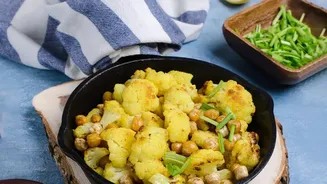
While curries are a fantastic way to enjoy cauliflower, its global popularity has also soared thanks to other preparations, especially roasting. Roasting cauliflower in a hot oven transforms it, creating caramelized, golden-brown edges and a tender interior. A simple toss with olive oil, salt, pepper, garlic powder, and paprika is all it takes. For an extra layer of flavor, many recipes suggest adding Parmesan cheese toward the end of the cooking time. A more recent trend that has taken the culinary world by storm is the cauliflower steak. This involves cutting the head of cauliflower into thick, steak-like slices, seasoning them generously, and then roasting or pan-searing them until tender. Often brushed with a flavorful marinade, these 'steaks' offer a satisfying and 'meaty' texture, making them a popular vegetarian main course.