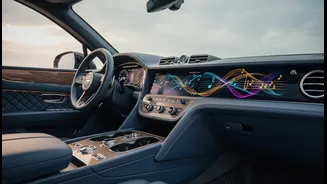







An Electric Heart, A Familiar Soul
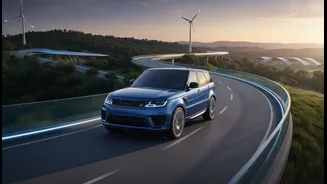
The arrival of the Range Rover Sport Electric marks a pivotal moment for the iconic British brand. Previews and prototype drives in mid-2026 have confirmed that while the powertrain is a dramatic departure from tradition, the company's core philosophy
is not. The mission, it seems, was to build a Range Rover first, and an electric vehicle second. This meant ensuring the electric version delivers the refinement, capability, and effortless performance its customers expect. Rather than starting from a blank slate, the electric model is built on the same advanced MLA-Flex platform as its internal combustion and hybrid siblings. This architecture was cleverly designed from the outset to accommodate everything from a V8 engine to a large battery pack, ensuring that going electric wouldn't require major packaging compromises.
The Magic Carpet Ride Continues
Central to the Range Rover experience is its renowned ride quality, often described as a 'magic carpet'. This is largely thanks to its sophisticated electronic air suspension. The system uses adjustable, compressed air-filled rubber chambers instead of traditional steel springs, allowing it to constantly monitor conditions and driver inputs to balance comfort and control. It can raise the vehicle for greater ground clearance off-road and lower it at high speeds for better stability and aerodynamics. Integrating this with a heavy, floor-mounted battery pack is no small feat, but retaining it was clearly non-negotiable. Early drives confirm the system works as intended, providing a supremely smooth ride and impressive composure, even allowing the SUV to tackle steep climbs and maintain uncanny traction in 'Rock Crawl' mode.
Agility Through All-Wheel Steering
A large, heavy SUV isn't typically synonymous with agility, but the Range Rover Sport has long used technology to defy expectations. All-wheel steering, which allows the rear wheels to turn by several degrees, is another key feature carried over to the electric model. At low speeds, the rear wheels turn in the opposite direction to the front wheels. This dramatically shrinks the turning circle, making a large vehicle feel as nimble as a small hatchback in tight parking lots or city streets. At higher speeds, the rear wheels turn in the same direction as the front, enhancing stability during lane changes and fast corners. For a powerful EV with instant torque and a low center of gravity, this system is crucial for delivering both confidence-inspiring stability and surprising nimbleness.
A Strategic Choice in a Crowded Market
Keeping these signature technologies is more than just a nod to heritage; it's a calculated strategic decision. The luxury electric SUV market is becoming fiercely competitive, with rivals like the BMW iX, Porsche Macan Electric, and Mercedes-Benz EQS SUV all vying for attention. While some competitors have opted for futuristic designs, Range Rover is betting on familiarity and proven dynamic excellence. By ensuring the electric model drives and feels like its predecessors, the brand provides a seamless transition for existing owners and a clear unique selling proposition for new buyers. The message is clear: electrification is here to enhance the Range Rover DNA, not replace it. The combination of silent, instantaneous electric power with the proven poise of its advanced chassis systems aims to create a vehicle that is both new and unmistakably a Range Rover Sport.