


The Rise of the Superfood Spice
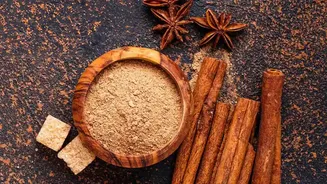
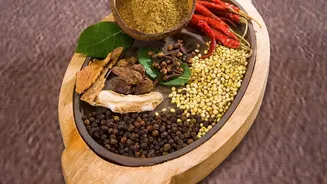
Walk through any supermarket or scroll through social media, and you will be inundated with the idea that your spice rack is a secret pharmacy. Turmeric is praised for its anti-inflammatory properties, thanks to its active compound, curcumin. Cinnamon
is linked to regulating blood sugar, ginger is a go-to for nausea, and cayenne pepper is said to boost metabolism. There is a kernel of truth to these claims; spices are rich in beneficial plant compounds like polyphenols and antioxidants. This has fueled a booming wellness industry that markets these everyday ingredients as potent cure-alls, leading many to view their masala dabba as a medicine cabinet.
A Crucial Question of Dosage
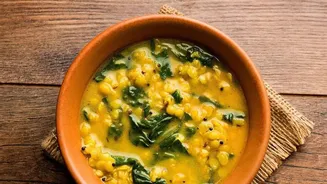
Herein lies the most significant misunderstanding: the amount of a spice used in cooking is vastly different from the concentrated doses used in scientific research. Studies demonstrating the powerful health effects of curcumin, for example, often use extracts equivalent to hundreds of milligrams, sometimes over 1,000 mg per day. To get that amount from culinary turmeric would require consuming quantities far greater than the pinch or two you add to your dal or sabzi. While adding spices to food is undoubtedly healthy and can contribute to overall well-being, it is unlikely to provide the therapeutic dose needed to treat a specific medical condition. Conflating a sprinkle with a prescription is where the 'cure' narrative falls apart.
The Dangers of the 'Cure' Mindset
Viewing spices as medicine can be counterproductive and even risky. For one, it may lead people to consume excessive amounts, which can cause digestive issues like acid reflux, stomach pain, and diarrhea. More seriously, relying on a spice to manage a health condition could lead someone to delay or avoid seeking necessary medical treatment. Furthermore, herbal supplements are not always strictly regulated, and some can interact negatively with prescription medications, such as turmeric supplements with blood thinners. The pursuit of a 'natural cure' can distract from proven medical advice and, in some cases, cause direct harm.
Rediscovering the Real Magic: Flavour
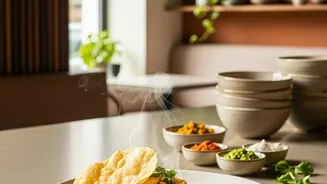
So, what is the alternative? To shift our focus from the pharmacy to the pantry and celebrate spices for what they truly are: masters of flavour. In Indian cuisine and kitchens worldwide, spices are the soul of food. They are not added as a health chore but as an act of creation. The goal is to build layers of complexity, aroma, and taste that transform simple ingredients into something extraordinary. Think of the earthy depth of cumin, the floral notes of coriander, the warmth of cinnamon, or the pungent kick of mustard seeds. These are not medicinal afterthoughts; they are the primary reason a dish becomes memorable and delicious.
Thinking Like a Chef, Not a Chemist
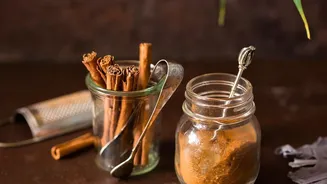
Adopting a culinary approach to spices opens up a world of creativity. Instead of asking how much turmeric you need to reduce inflammation, ask what it can do for your potato curry. Learn the technique of 'tadka' or 'blooming'—heating spices in hot oil to release their fat-soluble aromatic compounds and intensify their flavour. Toast whole spices before grinding them to awaken their essential oils. Experiment with layering, adding robust whole spices like cinnamon sticks early in the cooking process and finishing with delicate ground blends like garam masala to preserve their aroma. This is the real-world use of spices: a craft that brings joy, aroma, and unparalleled taste to your daily meals.