





Achieving smooth, sandal-ready feet isn't about aggressive scrubbing. The secret to effectively removing dry, hard skin lies in proper preparation, gentle techniques, and knowing when to stop—or not to start at all.
The First Step: Soften Everything
The most common mistake in foot care
is trying to exfoliate dry, hard skin. This approach is not only less effective, but it can also lead to irritation. The golden rule is to soften the skin first. A 10 to 15-minute soak in warm water is ideal. You can add Epsom salts to the water, which can help soothe tired feet, but the primary goal is to make the thickened layers of skin more pliable. This simple preparation step allows any exfoliation method you choose to work on the dead skin cells without you needing to apply excessive, damaging pressure. Skipping this soak is a common reason for inconsistent or disappointing results, especially with foot peel masks.
Choosing Your At-Home Tools
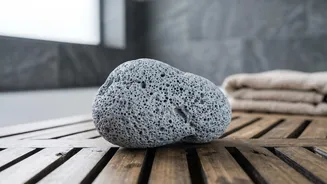
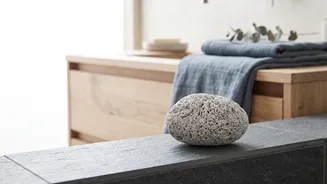
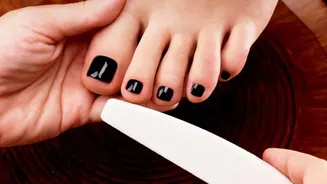
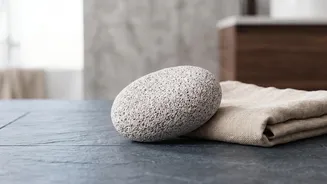
Once your skin is softened, you have several options for exfoliation. A pumice stone is a classic, affordable choice that is effective for mild buildup when rubbed in gentle, circular motions. Manual foot files can also work, but podiatrists warn that it’s easy to be too aggressive and damage healthy skin. Chemical exfoliants come in two main forms: lotions and masks. Lotions containing ingredients like urea or lactic acid work slowly to dissolve the bonds between skin cells without physical abrasion. Foot peel masks, often sold as plastic booties, contain a more potent solution of acids, such as alpha-hydroxy acids (AHAs) and beta-hydroxy acids (BHAs), that cause a dramatic shedding process over several days.
A Crucial Warning for High-Risk Feet
At-home foot exfoliation is not safe for everyone. Individuals with diabetes, poor circulation, or nerve damage (neuropathy) should avoid these treatments, especially chemical peels and sharp tools. Nerve damage can reduce sensation, meaning you might not feel if the water is too hot or if a product is causing a chemical burn. Furthermore, high blood glucose levels can impair the body’s ability to heal, turning a tiny cut, scrape, or burn into a non-healing ulcer that is vulnerable to serious infection. The American Podiatric Medical Association warns against self-treating with chemical agents, as even a small injury can have severe consequences for a person with diabetes. If you have any cuts, sores, rashes, or active infections like athlete’s foot, you should not exfoliate.
The Gentle Art of Physical Exfoliation
If you're using a pumice stone or file, remember that gentleness is key. After soaking and patting your feet dry, use light to medium pressure in circular or back-and-forth motions. Focus only on the areas with thickened skin, like the heels and balls of the feet. The goal is to remove the top layers of dead skin, not to get down to new skin in one session. Over-exfoliation can cause soreness, redness, and micro-tears in the skin, which can invite infection. It is always better to do a little bit regularly than to attempt an aggressive removal all at once. When you are finished, rinse your feet to remove any loosened skin particles.
Navigating the Chemical Peel Process
Foot peel masks offer dramatic results, but they require patience. After wearing the booties for the instructed time (usually about an hour) and rinsing, nothing much happens for several days. The peeling typically begins between day three and day five. During this entire process, do not pick, pull, or scrub at the shedding skin, as this can tear the healthy new skin underneath. You can encourage the process by soaking your feet in warm water for 10-15 minutes each day after the peel. Wearing socks can also help manage the shedding skin. Most importantly, avoid using any other exfoliating products until the peeling process is completely finished, which can take up to two weeks.
Aftercare Is Non-Negotiable
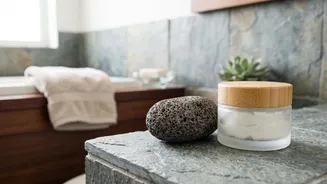
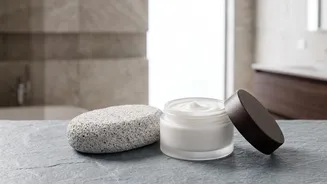
Exfoliation is only half the battle. After you have removed the dead skin, the newly revealed layer is better able to absorb moisture, but it's also more vulnerable to dryness. Immediately after rinsing and thoroughly drying your feet, apply a thick, high-quality moisturizer. Look for ingredients like urea, shea butter, or ceramides to help hydrate the skin and lock in moisture. Making this a daily habit, especially before bed, is the best way to maintain your results and prevent hard skin from building up again quickly. Consistent moisturizing keeps skin soft and healthy, extending the benefits of your exfoliation session.