





Homer's Epic Gets a Nolan-Sized Canvas
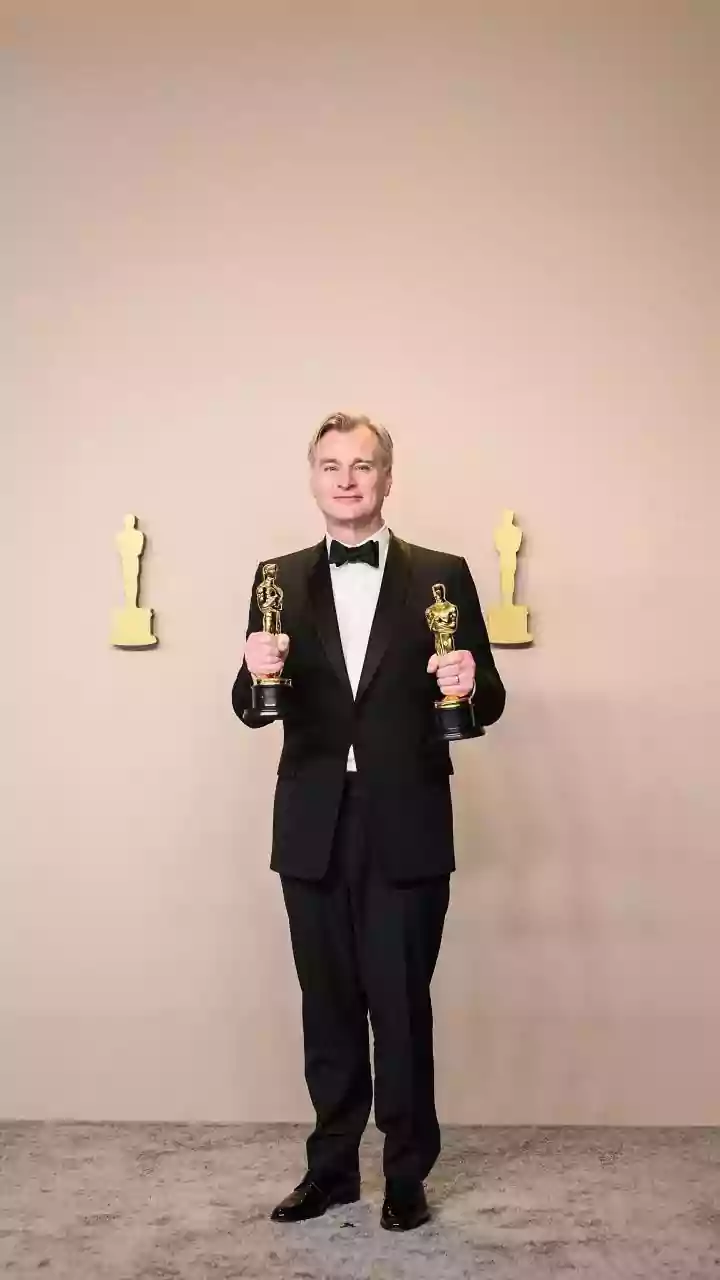
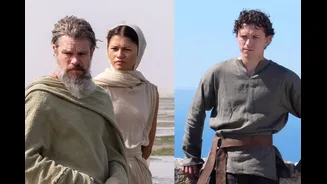
First, let's set the stage. Following the monumental success of 'Oppenheimer', which earned him Best Director and Best Picture Oscars, Christopher Nolan is tackling one of the cornerstones of Western literature. 'The Odyssey' is a massive undertaking,
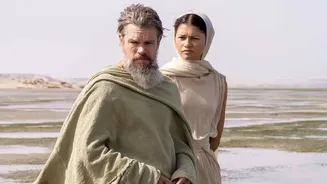
an epic action film with a star-studded cast including Matt Damon as Odysseus. True to form, Nolan is shooting on new IMAX film technology and using real, often remote, global locations to bring the mythic journey to life in the most tangible way possible, continuing his career-long preference for practical effects over computer-generated imagery.
Enter the AI 'Slopbuster'
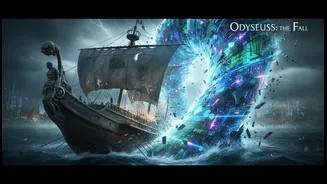
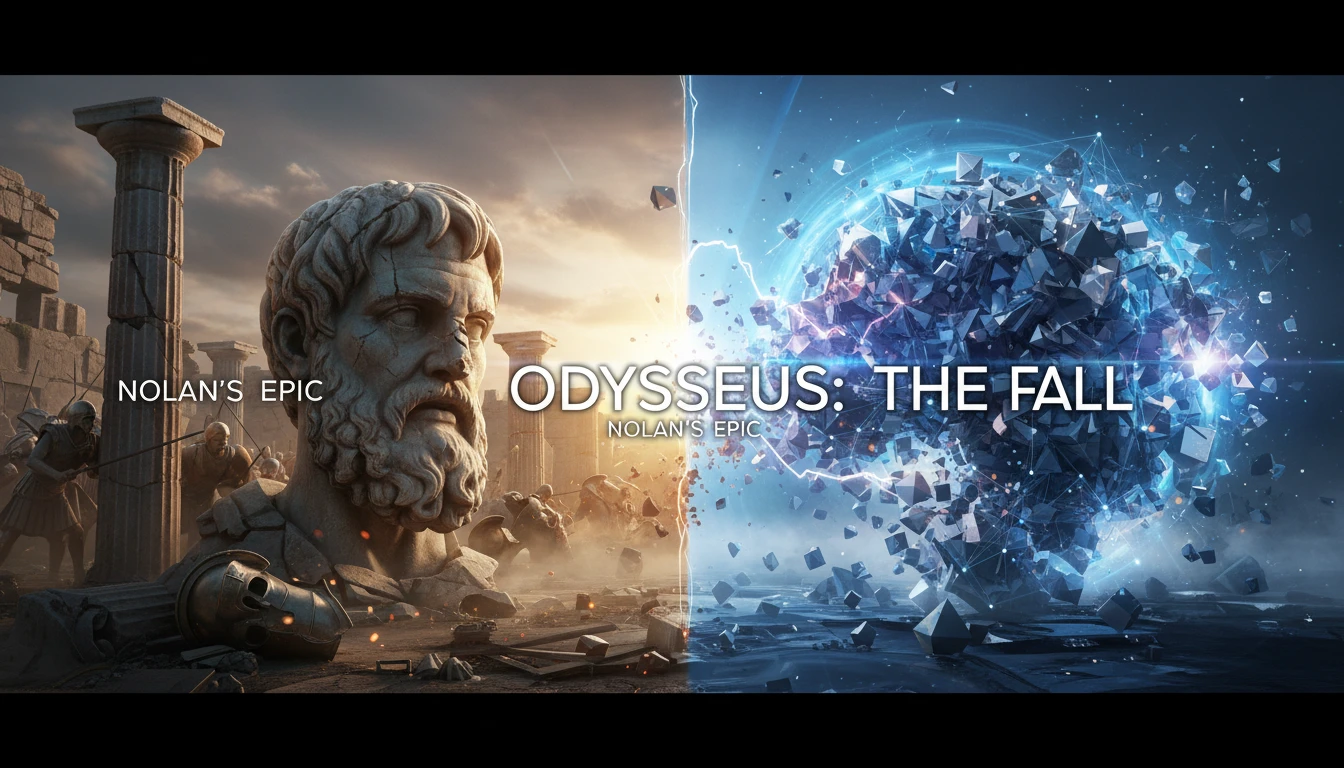
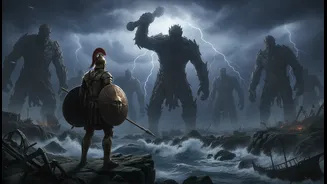
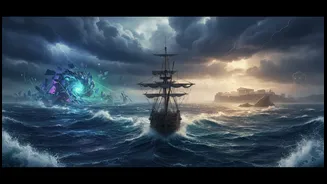
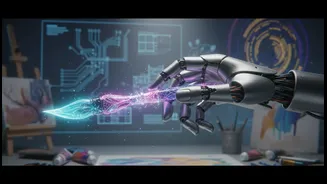
In the other corner, we have 'Odysseus: The Fall,' a 135-minute feature created by AI artist Ash Koosha and the AI film company Foundation 0. Timed to release alongside Nolan's blockbuster, this version was made in just three months for a fraction of a typical film's budget. The film uses AI video-generating software, like the Chinese tool Kling, to create its visuals. While the creators claim the script and voice acting are original, the project is being positioned as a showcase for AI technology, and has been dubbed a 'slopbuster' by some online—a cheap, AI-generated knock-off of a major blockbuster.
A Tale of Two Philosophies
The contrast couldn't be more stark, highlighting a central battle for the soul of cinema. Nolan is perhaps Hollywood's most famous advocate for practical, in-camera effects. From flipping a real 18-wheeler in 'The Dark Knight' to crashing an actual Boeing 747 in 'Tenet', his philosophy is grounded in capturing a sense of tangible reality. He believes that even the most sophisticated CGI feels like animation if it isn't based on physical photography. This hands-on, craft-focused approach is the antithesis of 'Odysseus: The Fall', which generates its reality from prompts and algorithms, existing only as digital code.
Nolan's Own Take on AI 'Slop'
Nolan himself has weighed in on the rise of AI in art, and his stance is clear. He has referred to AI-generated content as "slop" and has noted that younger audiences, including his own children, have an immediate and harsh rejection of it. In recent interviews promoting 'The Odyssey', he has expressed confidence that audiences still crave authentic, human-crafted stories. He points to the strong negative reaction from Gen Z as proof that the supposed AI revolution in filmmaking is hitting at "exactly the wrong time," as audiences seem to be craving more, not less, human artistry.
Artistry or Algorithm?
The creators of 'Odysseus: The Fall' argue their film is a legitimate artistic interpretation, with director Ash Koosha stating his lifelong obsession with the story drove the project, not just an attempt to cash in on Nolan's hype. However, the initial reaction to the AI film's trailer has been largely negative, with viewers pointing out jerky character movements and inconsistent visuals—hallmarks of current-generation AI video. This incident perfectly captures the broader industry debate: is AI a tool that democratizes filmmaking, as proponents like George Lucas suggest, or does it devalue human creativity and lead to a flood of low-quality, derivative content?