

The Delicate Nature of Dahi Kebabs
The magic of a dahi kebab lies in its primary ingredient: hung curd. This is yogurt that has been strained for hours to remove almost all its whey, resulting in a thick, creamy consistency almost like a soft cheese. While this texture is what makes the
kebab so luscious, it's also what makes it incredibly fragile. Unlike kebabs made with minced meat or hardy vegetables, dahi kebabs lack a strong internal structure. Excess moisture is the main culprit behind kebabs that disintegrate upon hitting hot oil. Even a small amount of remaining water in the curd can turn the mixture loose and make it impossible to shape and fry.
Preparation is Everything: Binding and Chilling
To counter the fragility, a good binding agent is essential. Roasted gram flour (besan) is a traditional choice, as its nutty flavour complements the dahi and its absorbent properties help soak up any lingering moisture. Breadcrumbs or crumbled paneer also work wonderfully to create a firmer mixture. After combining your hung curd, spices, and binder, a crucial step is to chill the mixture. Refrigerating it for at least 30 minutes allows the ingredients to firm up, making the delicate patties much easier to shape with lightly oiled hands. This cooling period also helps the flavours meld together beautifully.
The Gentle Fry, Demystified
The headline's advice is the final, most critical piece of the puzzle. A 'gentle fry' refers to cooking in hot oil over a medium to medium-low heat. This is not the roaring heat of a deep fry. The goal is to allow the kebab to cook slowly and evenly, forming a stable, golden crust on the outside before the soft interior has a chance to get too hot and fall apart. Shallow frying is the ideal method here, using just enough oil to come about halfway up the side of the kebab. This technique provides the heat needed for a crisp crust without fully submerging the delicate patty.
Mastering the Pan: Temperature and Patience
Getting the oil temperature right is key. If it’s too low, the kebabs will absorb excess oil and become greasy. If it's too high, the outside will burn before the inside is warmed through and the crust is stable. A good way to test the oil is to drop a tiny piece of the mixture into the pan; it should sizzle immediately and rise to the surface without browning too quickly. When you place the kebabs in the pan, give them space and don't overcrowd them. Most importantly, be patient. Do not try to flip the kebab until the first side is visibly golden and crisp. A premature flip is the most common reason they break.
The Finishing Touches
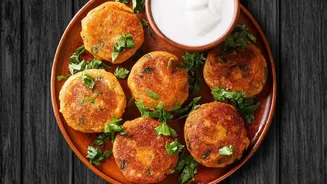
Once the kebabs are golden and crisp on both sides, they should be removed and placed on a wire rack or absorbent paper to drain any excess oil. This helps maintain that wonderful crispy texture. A light coating of breadcrumbs or even semolina before frying can also add an extra layer of crunch and protection, creating a barrier between the soft filling and the hot oil. While shallow frying is the classic method, these principles of gentle heat can be applied to other cooking methods. They can be baked in a preheated oven or even cooked in an air fryer for a healthier, though slightly different, result.