





The Hidden Risk: Botulism
The primary concern with improperly canned foods, including tomato sauce, is Clostridium botulinum. This bacterium produces a potent toxin that can cause botulism, a rare but serious illness. The spores of this bacterium thrive in low-acid, oxygen-free
environments, like a sealed jar of sauce. While the spores themselves are heat-tolerant, they cannot produce the dangerous toxin in a high-acid environment. This is why simply cooking the sauce is not enough for long-term preservation; the acidity must be correctly managed before sealing the jar. General food handling advisories, like those recently issued by FSSAI for perishable goods, remind us of the constant need for vigilance in temperature control and hygiene.
Acidity Is Your Greatest Ally
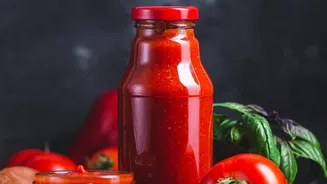
Tomatoes walk a fine line with acidity. While generally considered an acidic fruit, some varieties, especially those that are overripe, grown in shade, or harvested from dead vines, may have a pH level above 4.6. This seemingly small difference is critical, as a pH above 4.6 is not acidic enough to inhibit botulism spores. To guarantee safety, food preservation experts universally recommend acidifying tomatoes before canning. This step standardises the pH level, creating an environment where botulism cannot develop. It is a non-negotiable step for any safe canning recipe involving plain tomatoes or basic sauces.
How to Properly Acidify Your Sauce
Acidification is simple and precise. The key is to use a standardised acid, as the acidity of fresh lemons can vary. For every quart (approximately 950 ml) of tomato sauce, you should add either two tablespoons of bottled lemon juice or one-half teaspoon of citric acid. For pint jars (around 475 ml), use one tablespoon of bottled lemon juice or a quarter-teaspoon of citric acid. This acid should be added directly into the clean, sterilised jars before you ladle in the hot sauce. If you are concerned about the taste, a small amount of sugar can be added to offset the tartness without affecting the safety of the product.
Sterilisation and Processing
Cleanliness is paramount. All jars, lids, and utensils must be thoroughly washed and sterilised to eliminate any lingering bacteria or mould. Jars can be sterilised by boiling them in water for at least 10 minutes. Once the acidified sauce is packed into hot, sterile jars, leaving about a half-inch of headspace, the rims must be wiped clean before sealing. The sealed jars are then processed in a boiling water bath—pints for 35 minutes and quarts for 40 minutes, adjusting for altitude—to create a vacuum seal and kill off other potential spoilage organisms. This heat treatment, combined with the high-acid environment, ensures the sauce will be shelf-stable and safe to eat for months to come.
Final Checks and Safe Storage
After processing, let the jars cool undisturbed for 12 to 24 hours. You will then check the seal. The lid should be firm and curved slightly inward, with no flex when you press on the centre. Any jars that have not sealed properly should be refrigerated immediately and consumed within a week. Properly sealed jars should be stored in a cool, dark, and dry place. Before opening any home-canned food, always inspect the jar. If the lid is bulging, the contents are foamy, or there is an off-smell, discard it without tasting. These are signs that spoilage has occurred and the food is not safe to consume.