





After running 50 hours into overtime, the COP31 climate summit in Antalya ended not with a breakthrough, but with a breakdown. UN Secretary-General António Guterres voiced 'deep disappointment' as nations failed to agree on a final pact. What went wrong?
A Summit Without a Deal
For the first time since the contentious Copenhagen summit in 2009, a UN climate conference has concluded without adopting its main political agreement. The so-called 'Antalya Pact', a comprehensive decision meant to guide global climate action, was rejected in the final hours. A powerful bloc including the European Union, the United Kingdom, and a coalition of climate-vulnerable island nations objected to the text, arguing it was drastically insufficient to tackle the scale of the climate crisis. The result of the marathon negotiations is a fractured outcome, where procedural elements moved forward, but the central political signal needed to accelerate climate action failed to materialize, leaving a significant void in global climate diplomacy.
The Unmentionable: Fossil Fuels
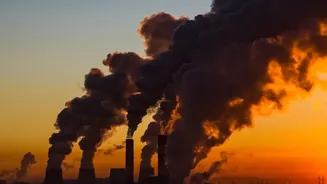
The core reason for the collapse of the main agreement was the glaring omission of language on phasing out fossil fuels. An early draft of the text had included language to accelerate a transition away from coal, oil, and gas, a key demand of over 130 countries. However, the final proposed text, tabled by the Turkish and Australian presidencies, stripped out these references, reportedly due to staunch opposition from oil and gas-producing states like Saudi Arabia and Russia. Instead, the text pivoted to emphasize carbon capture and storage (CCS) technologies, which critics argue is a dangerous distraction that perpetuates the use of fossil fuels. For many nations, a final deal that did not even name the primary driver of climate change was unacceptable.
The Impasse on Climate Finance
Alongside the fight over fossil fuels, deep divisions over money paralyzed the talks. Developing countries, including India, arrived in Antalya demanding clear financial commitments from developed nations to help fund their transition to clean energy and adapt to climate impacts. A major point of contention was the 'Loss and Damage' fund, designed to help vulnerable nations cope with unavoidable climate disasters. The fund has received requests totalling nearly $2.8 billion but has only been allocated around $342 million. Despite the clear and growing need, no breakthrough on scaling up this funding was reached. Critics argue that some developed nations, including the EU, were unwilling to commit new finance, making it impossible for many Global South countries to agree to an ambitious fossil fuel phase-out.
Not a Total Failure, But a Major Setback
While the failure to adopt the Antalya Pact marks a significant setback, the entire two-week conference was not a complete wash. Progress was made on some technical and procedural issues. Governments agreed on a mechanism to help shape a 'just transition' for workers and communities moving away from carbon-intensive industries. There was also an agreement to transition the existing Adaptation Fund to exclusively serve the Paris Agreement, which could make more money available for adaptation projects. Furthermore, outside the formal negotiating rooms, around 80 countries endorsed a target to get 35% of final energy from electricity by 2035, showing that momentum for real-world action continues.
What This Means for India and the World
The outcome in Antalya leaves the world in a precarious position. The UN Secretary-General warned that the window to limit global warming to 1.5°C is rapidly closing, and this failure to agree on a path forward makes the task harder and more costly. For India, the result is mixed. The lack of stronger financial commitments from developed nations is a major blow, as this support is crucial for financing India’s ambitious renewable energy goals and adapting to severe climate impacts like heatwaves and floods. The failure to secure a clear global commitment to phase out fossil fuels places more onus on national policies. While India continues its massive push into solar and other renewables, it must now navigate a global landscape where the consensus on the future of energy is broken, and the gap between scientific warnings and political action has grown wider than ever.