

An Ancient Galactic Collision
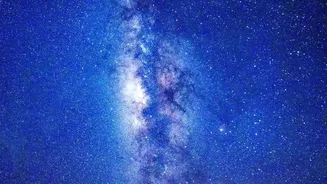
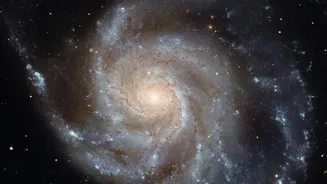
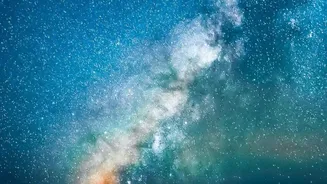
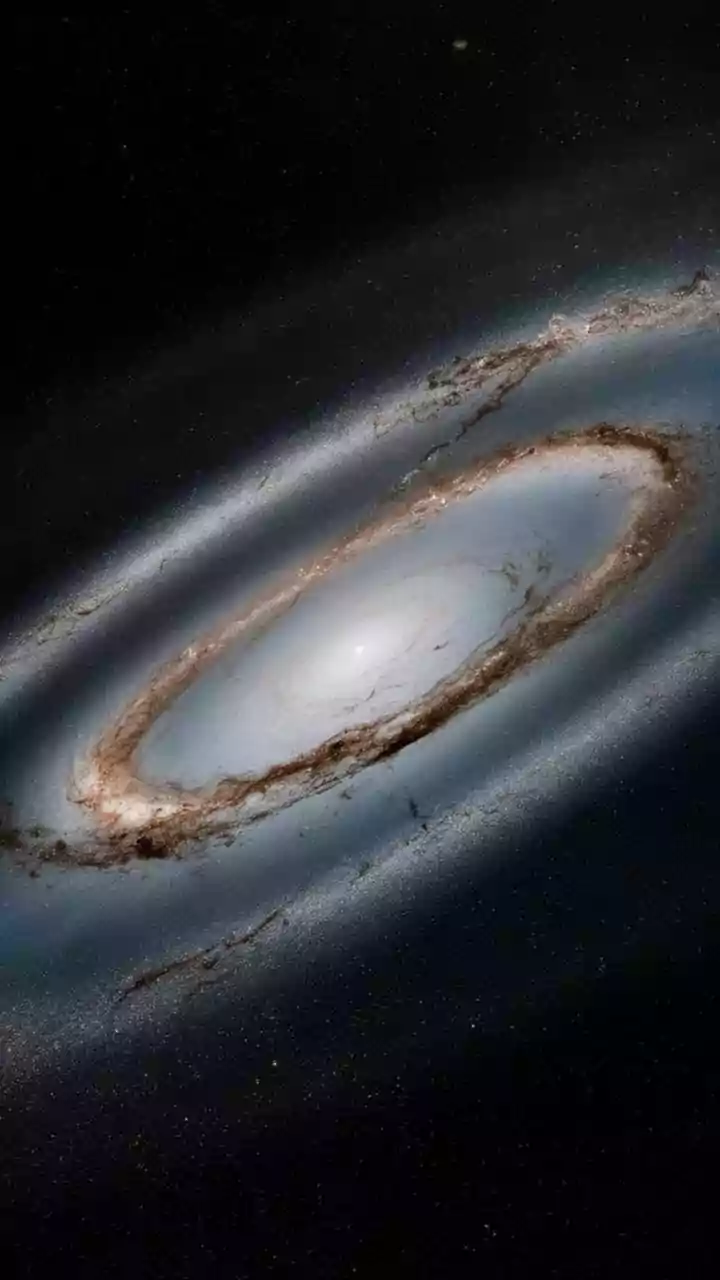
Our home galaxy, the Milky Way, is a sprawling spiral of hundreds of billions of stars, including our own Sun. We see it as a relatively flat, spinning disc. But computer simulations suggest this orientation is the result of a dramatic and violent event
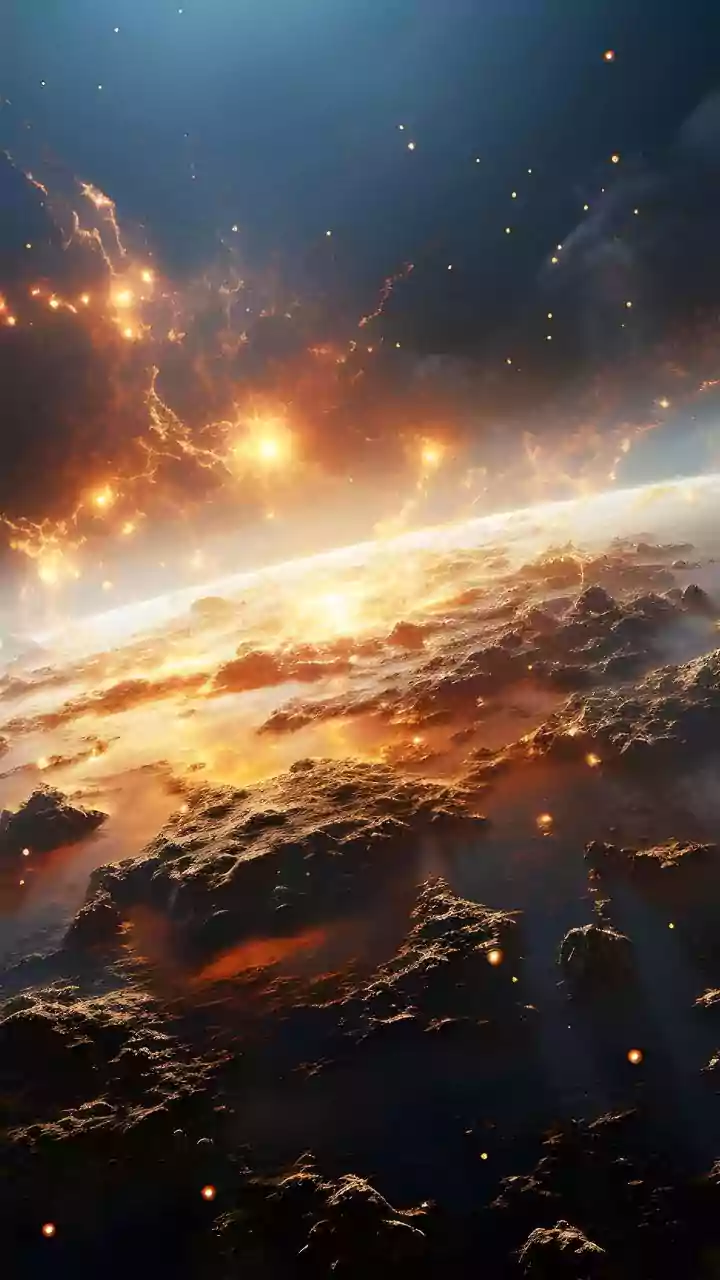
from billions of years ago. Around 10 to 11 billion years in the past, long before the Earth was formed, the young Milky Way collided head-on with another, smaller galaxy. This event, according to astronomers, was so powerful that it could have slowly tilted our entire galaxy by more than 90 degrees, effectively flipping it onto its side over a period of hundreds of millions of years. The research, presented at the 2026 National Astronomy Meeting, provides a compelling explanation for a long-standing cosmic mystery.
The Clue in the Stellar Halo
The evidence for this galactic flip comes from the Milky Way's stellar halo. This is a vast, sparse sphere of ancient stars that surrounds the main galactic disc. While stars in the disc, like our Sun, orbit the galactic centre at high speeds—around 220 kilometres per second—stars in the halo move much more slowly, at only about 10 to 20 kilometres per second. This significant difference in speed has puzzled astronomers for years. Researchers from Durham University used supercomputer simulations to model the evolution of galaxies like our own. They found that galaxies with extremely slow-rotating halos almost always had two things in common: they had experienced a major head-on merger, and their disc had flipped as a result.
Meet the 'Gaia Sausage'
The culprit in this cosmic crash has a peculiar name: Gaia-Sausage-Enceladus, often shortened to the 'Gaia Sausage'. This was a dwarf galaxy that slammed into the Milky Way billions of years ago. It didn't survive the encounter; our larger galaxy tore it apart and absorbed its stars. The name comes from data collected by the European Space Agency's Gaia space observatory, which is meticulously mapping the positions and movements of stars in our galaxy. When astronomers plotted the velocities of stars left over from this merger, their paths formed a long, narrow, needle-like shape, which inspired the 'Sausage' nickname. These 'Sausage' stars, scattered throughout our modern galaxy, are the smoking gun—the lasting evidence of this ancient, galaxy-altering collision.
Reshaping Our Galactic Home
The collision with the Gaia Sausage was the last major merger in the Milky Way's history and a defining moment in its evolution. The impact didn't just reorient the galaxy; it profoundly reshaped it. The debris from the shattered dwarf galaxy is believed to have helped form the Milky Way's central bulge and contributed significantly to the surrounding stellar halo. The collision would have also compressed huge clouds of gas, triggering a massive wave of star formation—a galactic 'firework' display that created many new stars and star clusters that still exist today. In essence, this single, violent event helped build the foundational structure of the galaxy that we inhabit now.