





The Four Essential Ingredients
At its heart, traditional toum is incredibly simple. It is made from just four core ingredients: fresh garlic, a neutral-flavored oil, lemon juice, and salt. That's it. There are no eggs, dairy, or other thickeners in the authentic recipe. The name “toum”
itself is the Arabic word for garlic, which gives you an idea of its primary flavor. For the best results, cooks recommend using the freshest garlic you can find, as this is where all the pungent flavor comes from. The oil needs to be neutral, like sunflower, canola, or grapeseed oil, because a strong-tasting oil like extra-virgin olive oil can overpower the garlic and introduce bitterness. The lemon juice adds necessary acidity that cuts through the richness, while salt enhances the overall flavor and aids in the process.
The Science of Emulsification
The reason toum becomes so fluffy and creamy lies in a chemical process called emulsification. An emulsion is a mixture of two liquids that normally don't combine, like oil and water. In toum, the oil and the water (from the garlic and lemon juice) are forced together and held in a stable suspension. Think of a vinaigrette dressing: you can shake oil and vinegar together, but they will separate quickly. To make them stay combined, you need an emulsifier. In mayonnaise, for example, lecithin from egg yolks acts as the emulsifier. Toum, however, achieves this without any eggs. The magic lies within the garlic itself.
Garlic's Hidden Superpower
Garlic is more than just a flavor agent here; it's the star emulsifier. When garlic cloves are crushed or blended, their cell walls break down, releasing natural compounds. These compounds, including a substance called allicin and other proteins and starches, are surface-active, meaning they can bond with both oil and water. As the garlic is processed into a paste with the salt and lemon juice, it creates a base that’s ready to receive the oil. The proteins and other compounds in the garlic create a network that surrounds tiny droplets of oil, preventing them from clumping back together and separating from the lemon juice. This is what builds the thick, stable, and creamy structure of the sauce.
Technique Is the Final Ingredient
Knowing the science is one thing, but success with toum comes down to technique. The process is famously finicky because the emulsion is delicate. The key is to add the oil incredibly slowly, especially at the beginning. Many recipes advise adding the oil drop by drop or in a very thin, steady stream while a food processor is running. This slow addition allows the garlic paste to properly incorporate the oil, breaking it down into minuscule droplets that can be suspended in the liquid. Adding the oil too quickly will overwhelm the garlic's emulsifying power and cause the sauce to “break,” resulting in a separated, oily mess. Patience is truly a required ingredient; the entire process can take up to 15 minutes of slow, continuous blending.
From Creamy to Fluffy
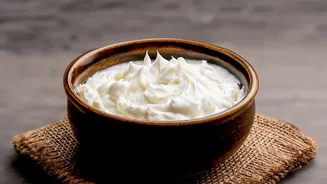
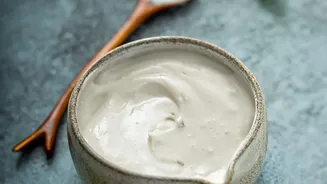
The final, fluffy texture is a result of both the stable emulsion and the air incorporated during the blending process. As the food processor runs, it's not just mixing the ingredients; it's also whipping air into the mixture. This is similar to how heavy cream is turned into whipped cream. The stable emulsion of oil and water is strong enough to trap these tiny air bubbles. Some recipes even call for adding a bit of ice-cold water during the process, which can help stabilize the emulsion and contributes to a lighter, fluffier final product. The constant whipping transforms the dense paste into a light, airy spread with a consistency often compared to a thick mayonnaise or a cloud-like cream.