



The New Visa Rule Explained
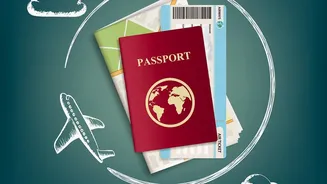
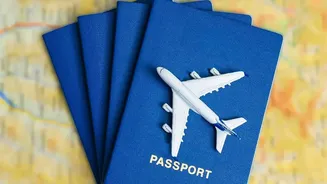
In a significant move to boost tourism and bilateral ties, Uzbekistan has introduced a visa-free policy for Indian citizens. The announcement was made in late August 2026 following talks between the leaders of both nations. Under this new directive, which
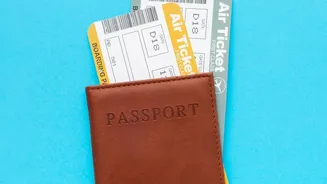
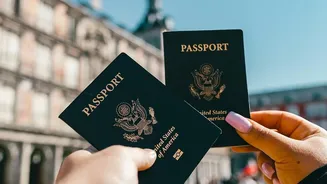
took effect on September 1, 2026, eligible Indian passport holders can enter Uzbekistan for up to 30 days without a visa. Previously, Indian travellers had to apply for an e-visa online. However, there is a crucial condition: this visa-free entry is currently for Indian citizens who hold a valid multiple-entry visa for specific developed countries, including the USA, UK, Canada, Australia, Japan, the Republic of Korea, New Zealand, or Schengen Area states. Travellers must also possess a return or onward air ticket.
What This Means for Your Trip
This policy change is a game-changer for many Indian tourists, particularly those who frequently travel internationally and already possess one of the required long-term visas. It removes a key administrative hurdle, making spontaneous trips and short holidays to Uzbekistan much more feasible. The 30-day period is ample time to explore the country's main attractions without feeling rushed. The move is designed to make Uzbekistan a more convenient and attractive destination, targeting holidays, family visits, cultural tours along the Silk Road, and even short business trips. However, travellers are strongly advised to check with the Embassy of Uzbekistan or official immigration channels for the final rules before making non-refundable bookings, as the policy has just been rolled out.
Why Uzbekistan, Why Now?
The visa liberalisation is part of Uzbekistan's broader strategy to open its economy and increase its global profile. Tourism from India has been on a steady rise, growing 1.8 times in recent years, with 80,900 Indian visitors recorded in 2025. By easing entry requirements, Uzbekistan aims to significantly increase this number, strengthening not just tourism but also business and cultural exchanges. The decision follows high-level diplomatic meetings and is part of a larger Tourism Cooperation Programme signed by both governments for 2026–2028. This reflects the strengthening strategic partnership between India and Uzbekistan, which established diplomatic relations in 1992.
A Journey Through the Silk Road
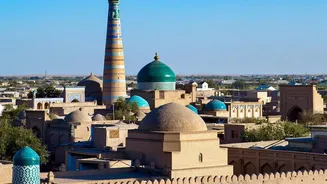
For Indian travellers, Uzbekistan offers a unique blend of familiar cultural echoes and breathtaking new sights. The country is the historic heart of the ancient Silk Road, a route that connected the East and West for centuries. This legacy is visible in its magnificent cities. Tashkent, the modern capital, boasts a fascinating mix of Soviet-era architecture and ancient Islamic buildings. Samarkand, one of the world's oldest continuously inhabited cities, is home to the majestic Registan Square. Bukhara and Khiva are UNESCO World Heritage sites, with old towns that feel like open-air museums, preserving centuries of history in their mosques, madrassas, and minarets.
Planning and Practicalities
Even with visa-free entry, standard travel rules apply. Your passport must be valid for at least six months beyond your intended stay. While the visa itself may not be required for eligible travellers, registration upon arrival is. Hotels typically handle this for tourists, providing small registration slips that you should keep until departure. Direct flight connectivity between India and Uzbekistan is robust, with about 14 weekly flights operating between major cities like Delhi, Mumbai, and Tashkent. For payments, Indian travellers will find another convenience: the UPI payment system is expected to be enabled through Uzbekistan's UZQR system, allowing for easy merchant payments.
Cultural Connections and Cuisine
The cultural ties between India and Uzbekistan run deep, stretching back to the Mughal era. This shared history makes the country feel surprisingly familiar. Cultural centres like the Lal Bahadur Shastri Centre for Indian Culture in Tashkent foster these connections, and yoga has also gained popularity in the country. The cuisine offers a delightful exploration of Central Asian flavours, with some familiar notes for the Indian palate. Must-try dishes include Plov, a spiced rice pilaf with meat and carrots; Manti, steamed dumplings; and Shashlik, grilled meat skewers. While many traditional dishes are meat-based, vegetarian options featuring pumpkin, potato, and fresh bread like Samsa are widely available.