




The South Indian Classic: Coconut Chutney
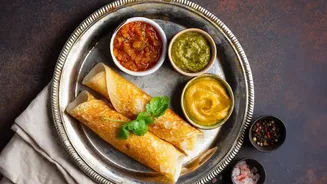
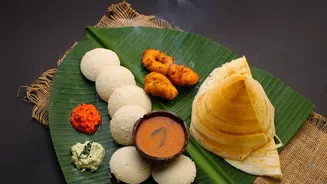
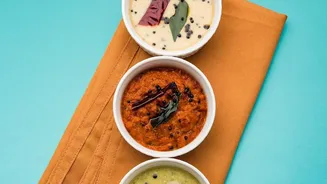
Arguably the most famous of all breakfast chutneys, the classic white coconut chutney is a staple across South India. Made by grinding fresh or frozen coconut with green chillies, ginger, and often a small amount of roasted chana dal for creaminess, it’s
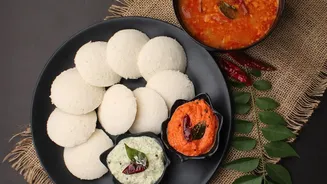
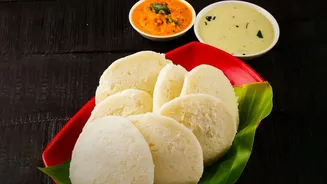
a study in fresh, mild flavour. It is typically finished with a ‘tadka’—a tempering of hot oil with crackled mustard seeds, urad dal, curry leaves, and a pinch of asafoetida, which adds a complex, aromatic dimension. This versatile condiment is the quintessential partner for fluffy idlis, crisp dosas, and savoury vadas, providing a cool and creamy contrast to the fermented batters and fried snacks.
The Fiery Counterpart: Kara Chutney
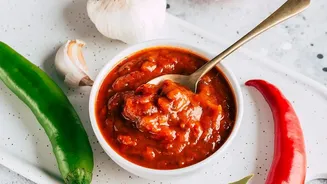
Where coconut chutney is cool and mild, Kara Chutney brings the heat. The Tamil word 'kara' literally means spicy, and this condiment lives up to its name. A vibrant red chutney hailing from Tamil Nadu, its base is typically made from sautéed onions, tomatoes, garlic, and a generous amount of dry red chillies, which give it both its fiery taste and signature colour. Lentils like chana dal and urad dal are often roasted and ground with the other ingredients, adding body and a subtle nutty flavour. Served alongside coconut chutney, it offers a spicy, tangy kick that beautifully complements neutral-tasting dishes like idli, dosa, and uttapam.
The All-Rounder: Green Chutney (Coriander & Mint)
Known as Dhaniya-Pudina chutney, this vibrant green sauce is a pan-Indian superstar. While popular nationwide with snacks like samosas and pakoras, it frequently appears on breakfast tables, especially in the North and West. It's an uncooked chutney made by blending fresh coriander and mint leaves with ginger, garlic, green chillies, and a souring agent like lemon juice. Some variations add cashews, roasted peanuts, or even yogurt for a creamier texture. Its fresh, zesty, and herbaceous flavour cuts through the richness of fried breakfasts like kachori or bread pakora and serves as a perfect spread for sandwiches.
The Sweet & Tangy Star: Tamarind Date Chutney
Often called Imli Chutney or Meethi Chutney, this dark, glossy sauce provides a perfect balance of sweet and sour. It’s a cooked chutney made by simmering tamarind pulp, pitted dates, and jaggery (or brown sugar) until they soften into a thick liquid. The mixture is then blended and strained to create a smooth consistency. Spices like roasted cumin powder, dry ginger powder, and a hint of red chilli powder add warmth and complexity. While it’s the soul of Indian chaat, it’s also a fantastic accompaniment for savoury breakfast items like dhokla, khandvi, and samosas, where its sweet tanginess contrasts with the savoury flavours.
The Nutty Alternative: Peanut Chutney
Popular in Andhra Pradesh, Maharashtra, and other parts of South India, peanut chutney (or Palli Chutney) is a creamy, protein-packed condiment. It’s made from roasted peanuts ground with ingredients like dry red chillies, garlic, cumin seeds, and tamarind for a touch of sourness. The resulting paste is nutty, spicy, and deeply flavourful. Like other South Indian chutneys, it is often finished with a tempering of mustard seeds and curry leaves. Peanut chutney is a fantastic alternative to coconut chutney and pairs wonderfully with idli, dosa, and vada, offering a richer, earthier taste.