


Kashmir’s Royal Dum Aloo
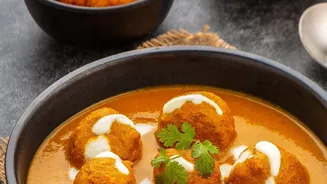
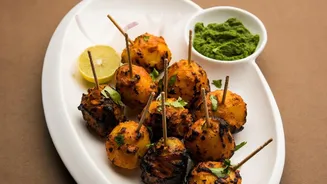
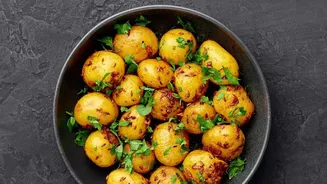
Straight from the crown of India, Kashmiri Dum Aloo is a dish of regal elegance. This traditional preparation from the Kashmiri Pandit cuisine features baby potatoes, first par-boiled and then deep-fried to create a crisp, slightly blistered skin. These
golden orbs are then slow-cooked ('dum') in a vibrant, yoghurt-based gravy that sings with aromatic spices like fennel powder, dry ginger, and a generous dose of Kashmiri red chilli powder, which lends a brilliant red hue without overwhelming heat. Notably, this classic recipe uses no onion or garlic, allowing the nuanced flavours of the whole spices and the tangy curd to shine through. The result is a gravy that is rich yet light, clinging beautifully to the potatoes. Served typically with steamed rice, it’s a masterclass in delicate, fragrant cooking.
Bengal’s Comforting Aloo Posto
Move east to Bengal, and you’ll find the potato in its most soulful form: Aloo Posto. This is the ultimate comfort food for any Bengali, a simple yet profoundly flavourful dish. It consists of potatoes cooked in a thick, nutty paste of poppy seeds (posto). The history of this dish is fascinating, with its origins traced back to the British era when extensive poppy cultivation for the opium trade left a surplus of non-narcotic poppy seeds. A farmer's wife is said to have ingeniously ground these leftover seeds into a paste, creating a dish that would become a cornerstone of Bengali vegetarian cuisine. Cooked with just a hint of turmeric, green chillies, and the essential pungent mustard oil, Aloo Posto is a testament to minimalist cooking where the ingredients speak for themselves. It's typically enjoyed with dal and steamed rice, a combination that feels like a warm hug.
Mumbai’s Iconic Batata Vada
No culinary tour of India is complete without a stop for Mumbai's favourite street food, and the Batata Vada is its beating heart. 'Batata' is the Maharashtrian term for potato, and this snack is a perfectly spiced potato fritter. Mashed boiled potatoes are mixed with a flavourful combination of green chillies, ginger, garlic, and mustard seeds, then rolled into balls, dipped in a gram flour (besan) batter, and deep-fried to golden perfection. While delicious on its own with some chutney, its true calling is to be flattened slightly and tucked inside a soft bread roll, or 'pav', to create the legendary Vada Pav. This invention, credited to Ashok Vaidya in 1966, was designed as an affordable and filling meal for the city's mill workers and has since become the undisputed king of Mumbai street food.
Punjab’s Hearty Amritsari Aloo Kulcha
From the robust culinary landscape of Punjab comes the Amritsari Aloo Kulcha, a flatbread that’s a meal in itself. Unlike a paratha, a kulcha is made with all-purpose flour (maida) and is leavened, giving it a wonderfully soft and fluffy texture. These breads are stuffed with a spicy, tangy mixture of mashed potatoes seasoned with spices like garam masala, coriander, and dried mango powder (amchoor). Traditionally baked in a tandoor, which imparts a signature smoky flavour and a delightful crispness, they can also be successfully made on a skillet at home. Often topped with coriander leaves and sesame seeds, these kulchas are generously brushed with butter or ghee before being served. Typically paired with chole (spiced chickpeas) or a simple bowl of curd, this is Punjabi street food at its most satisfying.
The Soulful Banarasi Aloo Tamatar ki Sabzi
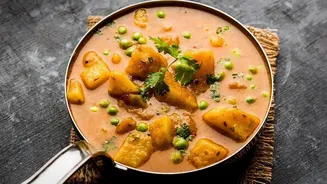
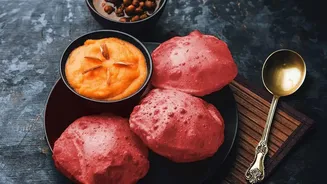
Travel to the spiritual heart of Uttar Pradesh to discover Banarasi Aloo Tamatar ki Sabzi. This is a simple, home-style curry that is both soupy and incredibly flavourful. It is a staple breakfast dish in Varanasi, often paired with hot, puffy puris. The beauty of this dish lies in its minimalism. Boiled potatoes are gently broken by hand and simmered in a thin, tangy gravy made from ripe tomatoes, ginger, and green chillies. The use of minimal spices like cumin, turmeric, and coriander powder allows the fresh tastes of the main ingredients to dominate. It’s a no-onion, no-garlic recipe in its most traditional form, making it a popular choice for festive or religious occasions. This light yet deeply satisfying curry is the perfect example of how everyday ingredients can be transformed into something truly special with simple techniques.