

A Diplomatic Gift with Deep Roots
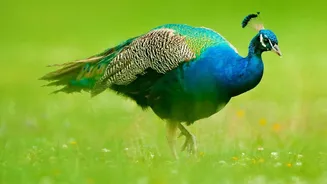
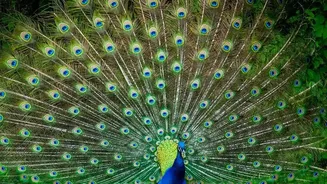
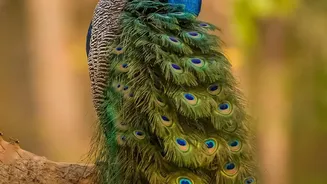
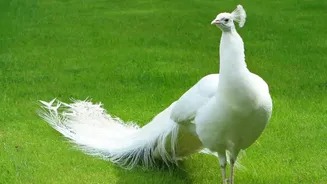
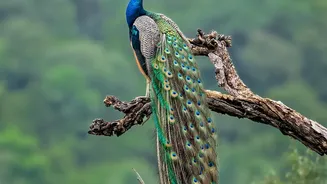
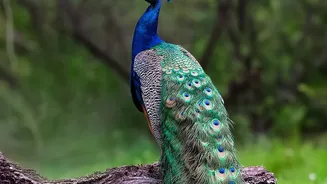
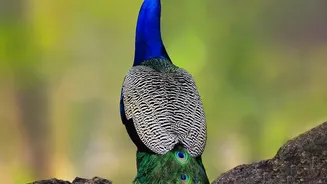
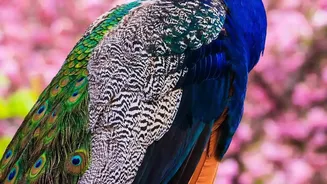
In a special ceremony, India's Permanent Representative to the UN in Geneva, Arindam Bagchi, presented five young Indian peacocks to the UNOG Director-General, Tatiana Valovaya. The flock consists of four vibrant blue peacocks and one rare white male,
whose striking appearance immediately drew attention. This act revives a tradition started in 1981 when former Prime Minister Indira Gandhi first gifted peacocks to the institution, reinforcing a long-standing connection. The birds will initially reside in a temporary aviary within Ariana Park, the sprawling grounds of the Palais des Nations, before being allowed to roam freely after a few months of acclimatisation.
The Peacock: A Symbol of Indian Heritage
The choice of the peacock, India's national bird since 1963, is deeply intentional. In Indian culture, the peacock, or 'Mayura', is a multifaceted symbol representing grace, beauty, and pride. It holds a sacred place in Hindu mythology, often associated with deities like Lord Krishna, who wears its feather in his crown, and Kartikeya, the god of war, who uses it as his vehicle. This connection imbues the bird with qualities of divinity, protection, and prosperity. Its dance, believed to herald the life-giving monsoon rains, also links it to nature, joy, and harmony. By gifting these birds, India is sharing a living piece of its rich cultural and spiritual ethos with the world.
Joining a Century-Old Tradition
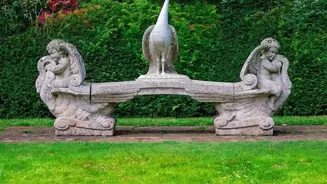
Interestingly, India’s gift contributes to a legacy that predates even the United Nations itself. The tradition of peacocks roaming the grounds began in 1890 when Gustave Revilliod bequeathed his estate to Geneva. A key condition of his gift was that his beloved peacocks would always be allowed to wander freely in what became Ariana Park, the current home of the UN Office at Geneva. Over the years, the peacock population has been sustained by various donations, including from a Japanese zoo in 1997. India’s new additions are therefore not just a bilateral gesture, but a thoughtful contribution to the unique character and history of this global diplomatic hub.
The Art of Soft Power
This gesture is a prime example of 'cultural diplomacy'—a form of soft power where nations use their cultural heritage to build bridges and foster positive relationships. Rather than relying on political negotiations or economic agreements, cultural diplomacy creates people-to-people connections and promotes national values through shared experiences. Initiatives like this are part of India's broader strategy to showcase its civilisational heritage on the global stage, using symbols like yoga, art, and now its national bird, to strengthen international partnerships. It’s a subtle but powerful way to assert a nation's identity and values, reminding the world of India’s commitment to beauty, nature, and global cooperation.