


What is SMOPS-2026?
SMOPS-2026, the International Conference on Spacecraft Mission Operations, is shaping up to be a pivotal event for the global space community. Scheduled to be held in Bengaluru, the conference is jointly organised by the Indian Space Research Organisation
(ISRO), the Astronautical Society of India (ASI), and the International Academy of Astronautics (IAA). Its theme, “Innovative Operations for Smart and Sustainable Space Mission Management – Next Generation,” signals a crucial shift in focus for the industry. The event will bring together space agencies, private companies, and academics to address the future of managing assets in orbit. More than just a technical meeting, it’s a high-level forum aimed at tackling the increasing complexity of space operations.
The Growing Problem in Our Orbit
The urgency behind SMOPS-2026 is driven by a simple, alarming fact: Earth's orbit is becoming a junkyard. Decades of launches have left a legacy of over 10,000 tonnes of space debris, including defunct satellites, spent rocket stages, and millions of smaller fragments. These objects travel at incredible speeds, and even a tiny piece of debris can cause catastrophic damage to a functional satellite or a crewed spacecraft. This has led to a rapid increase in orbital congestion, making collisions more likely. Without coordinated action, some experts warn that the debris population could double in less than 50 years, potentially rendering certain orbits unusable. This systemic risk threatens the reliability of services we take for granted and the very future of space exploration.
On The Agenda: De-cluttering Space
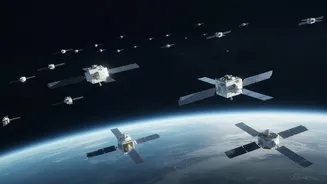
The agenda for SMOPS-2026 directly confronts these challenges. Key discussions will revolve around Space Situational Awareness (SSA), which is essential for tracking objects and preventing collisions in an increasingly crowded environment. Another major focus is the management of large satellite constellations, a relatively new phenomenon that has dramatically increased the number of active objects in low-Earth orbit. The integration of Artificial Intelligence and automation into mission control will be a core theme, as manual monitoring of tens of thousands of objects is no longer feasible. Crucially, the conference will also cover space sustainability, regulations, and active debris removal technologies—from robotic captures to systems that ensure satellites deorbit safely at the end of their lives.
Why This Matters for India
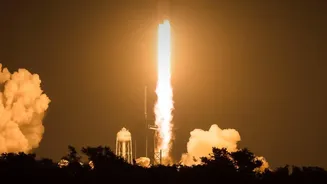
For India, the stakes are particularly high. As a major space-faring nation with ambitious programs like Gaganyaan and a growing number of commercial satellite launches, ensuring safe and sustainable access to space is a strategic priority. Hosting SMOPS-2026 in Bengaluru, India’s aerospace hub, positions the country at the center of global conversations on space governance. The conference provides a platform for ISRO and Indian start-ups to showcase their capabilities and collaborate on solutions. Discussions on international standards for interoperability and ground station services are vital for India’s role in the projected $1.8 trillion space economy. It’s about securing India’s strategic autonomy and commercial interests in a rapidly evolving and increasingly contested domain.