

A Tale of Two Nepals: Disaster vs. Tourist Hubs
The news from Nepal is serious, but it is crucial for travellers to understand the geography of the situation. The catastrophic flash floods, which began around August 26, are concentrated in a specific corridor along the Bhote Koshi and Trishuli rivers.
This has devastated districts like Rasuwa, Nuwakot, and Dhading, particularly areas near the Nepal-China border. However, most of Nepal's major tourist destinations are located outside this disaster zone. Popular hubs including the Kathmandu Valley, Pokhara, and the primary trekking regions for the autumn season like Everest (Khumbu) and Annapurna, were not in the flood's direct path. According to the Nepal Tourism Board and local tourism bodies, hotels, restaurants, and heritage sites in these areas remain open and are welcoming visitors. The key for tourists is to differentiate between the severe, localised disaster and the conditions in their intended destinations.
The Main Hurdle: Unpredictable Road Travel
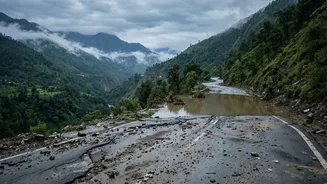
The biggest complication for tourists right now is not necessarily their destination, but the journey between destinations. The floods have severely impacted the country's road network. Key arteries for tourists, such as the Narayangadh-Muglin highway that connects Kathmandu and Pokhara with Chitwan and the rest of the country, have faced closures and significant disruptions. As of August 30, authorities in Chitwan had ordered the complete closure of these major routes due to the high risk of further landslides and rising river levels. This situation is fluid, with conditions changing daily. While some reports from tourism officials on August 29 suggested routes were operational, the threat of fresh landslides from continued monsoon rains means overland travel is extremely unpredictable. Any tourist planning a multi-city trip involving road travel must be prepared for significant delays, last-minute cancellations, and potential safety risks.
Are Flights and Airports Operating?
For travellers looking for a more reliable way to move around the country, air travel currently presents a better option. As of late August, both international and domestic flights were reported to be operating normally from Kathmandu's Tribhuvan International Airport and other domestic airfields. This means that flying between major hubs like Kathmandu, Pokhara, and Lukla (for the Everest region) remains a viable, albeit potentially more expensive, alternative to the challenges of road travel. Travellers with existing itineraries that rely on long-distance bus or car journeys are strongly advised to investigate domestic flight options with airlines like Buddha Air or Yeti Airlines, while also preparing for the possibility of weather-related delays, which are common during the monsoon season.
Advice for Travellers with Bookings
If you have a trip to Nepal booked for September, proactive planning is essential. First and foremost, establish communication. Contact your airline, tour operator, and hotels immediately to get their assessment of the situation and understand their policies regarding changes or cancellations. Do not rely solely on initial reports; seek the most current information. Secondly, review your travel insurance policy to see what is covered in the event of natural disasters. Be prepared to be flexible with your itinerary. A planned road trip might need to be converted to a trip that uses flights, or you may need to spend more time in one location, like the Kathmandu Valley, which offers plenty of cultural sights. Trekkers should avoid the heavily impacted Langtang and Gosaikunda regions and get specific updates on their chosen route from their trekking agency.
Heeding Official Warnings
Official bodies are advising caution. While the Nepal Tourism Board is working to reassure travellers that much of the country is safe, foreign governments are urging their citizens to be careful. The Australian government, for example, has advised its citizens to "reconsider your need to travel" to the five most-affected districts along the Trishuli River. The U.S. Embassy has also issued alerts about the ongoing risk of floods and landslides. The consensus is clear: avoid the flood-affected river corridors entirely, stay updated through official channels, monitor local weather reports, and always follow the guidance of local authorities. The risk of further landslides and flash floods remains high as the monsoon season continues.