


More Than Just a Breakfast Dish
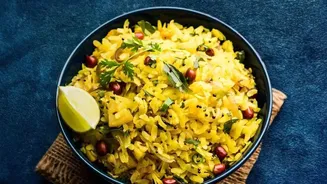
While poha, or flattened rice, is a staple across India, the version from Indore holds a legendary status. It’s a culinary signature that defines the city's identity. For the people of Indore, it is more than a meal; it’s a daily ritual, a symbol of community,
and an edible love letter to their home. Street carts across the city are bustling from the early morning, serving up thousands of plates to everyone from office-goers to students. This affordable and light-yet-filling dish has become a great unifier, accessible to all and enjoyed by everyone. The dish is believed to have been refined in Indore after 1947, evolving from its Maharashtrian roots which were brought to the region by Maratha rulers centuries ago.
The Secret to Its Cloud-Like Softness
What sets Indori poha apart from all other variations is its distinct preparation method. Unlike versions where the flattened rice is sautéed or fried with the other ingredients, Indori poha is steamed. The rinsed poha is placed in a colander or a large cloth-lined sieve over a pot of simmering water, a technique that gives it a famously soft, fluffy, and moist texture that remains consistent for hours. This gentle steaming process ensures the delicate flakes don't break or become mushy, instead transforming into a light, airy base that is ready to absorb a symphony of flavours. This ingenious method is a testament to the city's street food innovation.
A Perfect Balance of Tang and Spice
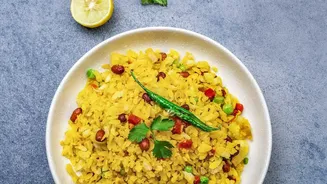
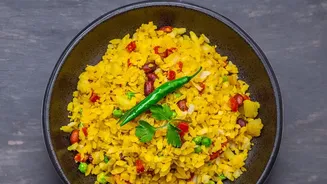
The magic of Indori poha lies in its complex flavour profile, a delicate dance between sweet, spicy, and tangy notes. After steaming, the poha is lightly tossed with a tempering of mustard seeds, fennel seeds, and green chillies. A touch of sugar is added for a subtle sweetness that balances the other flavours. But the true star of the show is Jeeravan masala, a unique and iconic spice blend from Madhya Pradesh. Composed of over 20 different spices including cumin, coriander, black salt, dry mango powder (amchur), and dry ginger, Jeeravan provides a savoury, tangy kick that is impossible to replicate with regular garam masala or chaat masala. A final squeeze of fresh lemon juice brightens all the flavours, making each spoonful vibrant and refreshing.
The Finishing Touch: A Cascade of Toppings
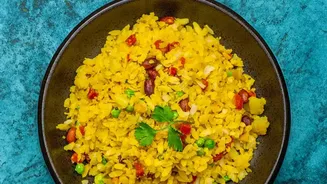
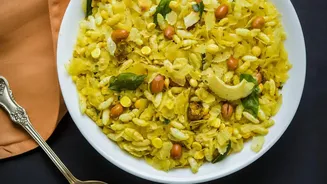
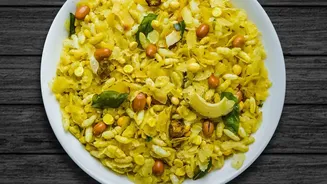
An unadorned plate of Indori poha is an incomplete one. The final flourish is a generous layering of toppings that provides a delightful contrast in textures. The most crucial element is a heaping handful of sev, specifically Indori or Ratlami sev, which are crispy, savoury chickpea flour noodles. This adds the signature crunch. Accompanying the sev are finely chopped raw onions for a pungent bite, fresh coriander for herbaceous notes, and often, glistening pomegranate seeds that add a pop of juicy sweetness. Some vendors also add masala boondi for extra crispiness. This multi-textured garnish is not just for decoration; it’s an essential part of the experience, making every bite a medley of soft, crunchy, fresh, and savoury.
The Unlikely but Perfect Pairing
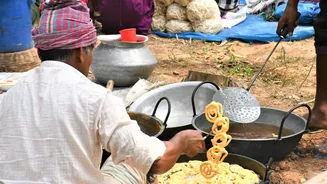
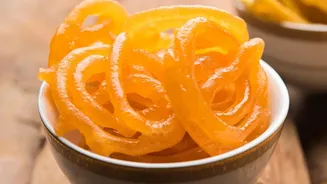
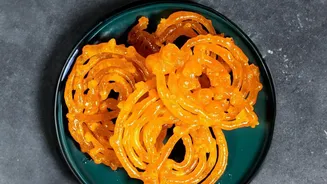
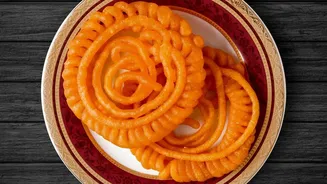
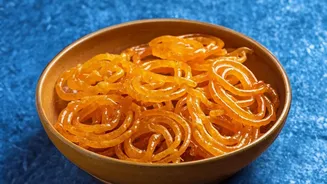
In Indore, poha is rarely eaten alone. It's famously served alongside hot, crispy jalebis. This combination of savoury and sweet might seem unusual, but for locals, it's a match made in culinary heaven. The tangy, spicy poha is perfectly complemented by the sugary, syrup-soaked swirls of the jalebi, creating a breakfast experience that engages the entire palate. This pairing reflects the city's love for layered and contrasting flavours. Enjoying a plate of poha-jalebi at a bustling street-side stall is considered the quintessential Indori experience, a tradition that encapsulates the city's vibrant food culture and its ability to turn a simple meal into a celebration.