


The Case for Ragi: An Indian Powerhouse
Ragi, also known as finger millet or nachni, has been a staple in Indian households for centuries, especially in the southern states and Maharashtra. This humble grain is a nutritional heavyweight, celebrated for its resilience in harsh climates and its impressive
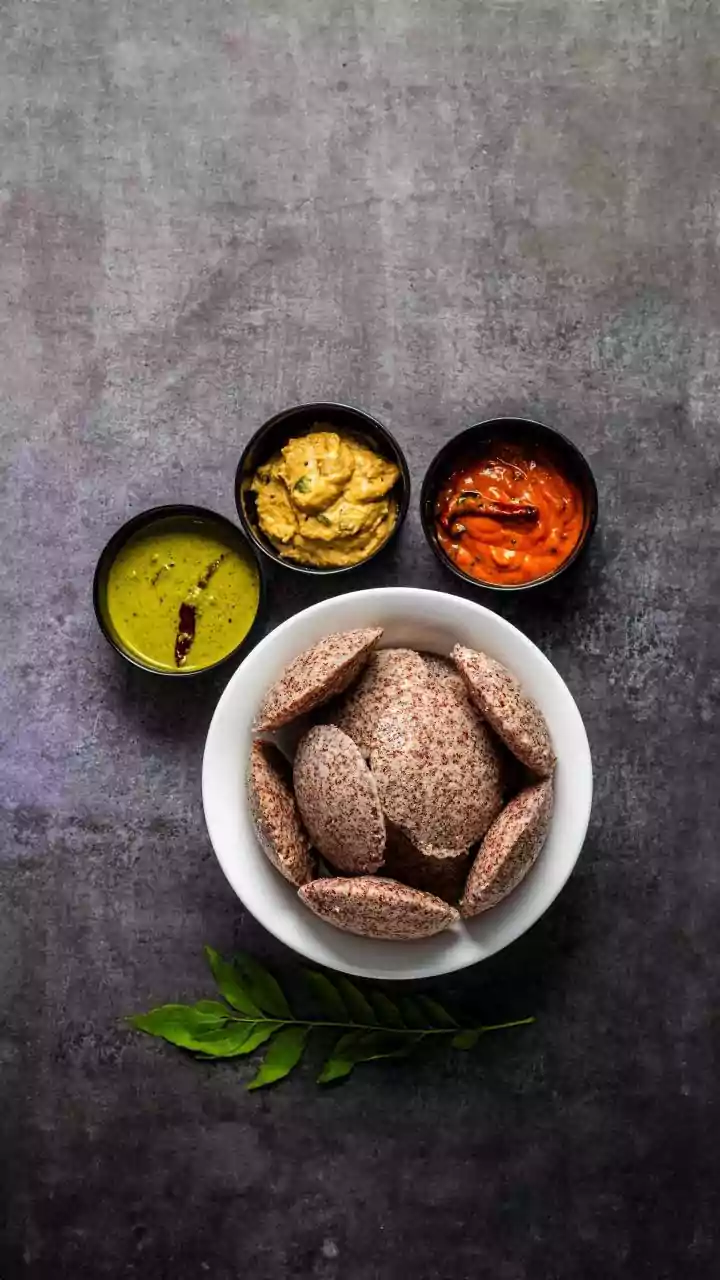
health benefits. Its most significant claim to fame is its exceptional calcium content. Per 100 grams, ragi provides around 344mg of calcium, making it one of the best plant-based sources for bone health. This is substantially more than most other grains, including quinoa. Ragi is also rich in dietary fibre, which aids digestion, promotes a feeling of fullness, and can help in weight management. With a low glycemic index, it releases sugar into the bloodstream slowly, making it a favourable choice for managing blood sugar levels. Furthermore, it is a good source of iron and other minerals. From a practical standpoint, ragi is affordable and widely available across India, fitting seamlessly into traditional recipes like rotis, dosas, porridges, and the famous ragi mudde.
Understanding Quinoa: The Global Contender
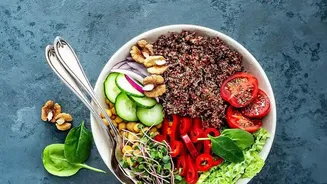
Quinoa, a seed native to South America, has gained worldwide popularity as a 'superfood' over the last two decades. Its primary nutritional advantage is its protein profile. Quinoa is considered a complete protein, meaning it contains all nine essential amino acids that the body cannot produce on its own. This makes it an excellent option for vegetarians, vegans, and anyone looking to boost their protein intake. A 100-gram serving of uncooked quinoa provides about 14 grams of protein, significantly more than ragi. It is also a good source of dietary fibre, iron, and magnesium. Rich in antioxidants like quercetin and kaempferol, quinoa may help fight inflammation and protect against chronic diseases. Like ragi, it is naturally gluten-free. In the Indian market, quinoa is positioned as a premium health food and is considerably more expensive than local millets like ragi.
Ragi vs. Quinoa: The Nutritional Showdown
When placed side-by-side (per 100g, uncooked), the choice between ragi and quinoa depends entirely on your health priorities. For protein, quinoa is the clear winner with roughly double the amount found in ragi. Quinoa also leads in iron and healthy fats. However, for bone health, ragi is unparalleled, offering nearly seven times more calcium than quinoa. Ragi also has a higher concentration of fibre in some comparisons and is a more budget-friendly and sustainable choice for Indian consumers. While quinoa's complete protein is a significant benefit, it's worth noting that traditional Indian meals often combine grains with dals (lentils) or curd, which naturally creates a complete protein profile anyway. Ultimately, neither grain is universally 'better'; they simply serve different nutritional needs. Quinoa is ideal for a protein boost, while ragi is a champion for calcium and affordability.
The Portion Size Puzzle: Why Cooked Grains Differ
Here's where many healthy eating plans go wrong: focusing only on the dry ingredients. Nutritional labels show values for uncooked grains, but we eat them cooked. Grains absorb water and expand, which changes their volume and caloric density. For instance, one cup of dry quinoa can expand to three or even four times its volume when cooked. Ragi is most often consumed as a flour to make porridge or flatbreads. A small amount of ragi flour, when cooked with water or milk to make porridge, can yield a large, filling bowl. This means that a cup of cooked quinoa has significantly fewer calories and nutrients than a cup of uncooked quinoa, simply because much of its volume is water. Misunderstanding this can lead to accidentally consuming far more calories than intended. Paying attention to cooked portion sizes is just as crucial as choosing the right grain.
Practical Portions: What Does A Serving Look Like?
So, what is a sensible portion? For most cooked grains, including quinoa, a standard serving size is about half a cup to one cup (cooked). This provides a good balance of carbohydrates, fibre, and nutrients without excessive calories. For ragi, this could translate to two small ragi rotis or a one-cup bowl of ragi porridge (malt). It’s easy to over-serve grains, especially when using large bowls or plates. A helpful tip is to use a measuring cup for a week to familiarise yourself with what a proper serving looks like. While both ragi and quinoa are incredibly healthy, they are not 'free' foods. Mindful portioning ensures you get all the benefits without derailing your health and weight management goals. The foundation of a healthy diet isn't just what you eat, but also how much you eat.