







The lights have dimmed and the guests have gone, but the effects of Diwali's rich feasts linger. That familiar feeling of being bloated, tired, and heavy is your body's signal for a reset. Here is an expert-led guide to a gentle recovery.
The Post-Festive Toll on Your Heart
Days of indulging
in sweets, fried snacks, and rich gravies can feel wonderful, but it puts your system under considerable strain. Cardiologists note that festive diets high in sugar, unhealthy fats, and salt can lead to spikes in blood sugar, cholesterol, and blood pressure. This overload forces the heart to work harder and can cause inflammation. When combined with late nights, disturbed sleep, and reduced physical activity, the result is often fatigue, bloating, and a general sense of sluggishness as your digestive system and liver work overtime. A post-Diwali reset isn't about guilt; it's about giving your body a much-needed, gentle break.
Why Moderation Trumps an Extreme Detox
The immediate temptation after overindulging is to jump into a strict crash diet or an extreme 'detox' plan. However, experts advise against this approach. Drastic diets can lead to feelings of deprivation and are often unsustainable, potentially leading to unhealthy eating cycles. A cardiologist-approved reset focuses on balance and gradually reintroducing nourishing habits. The goal is to support your body's natural detoxification systems—primarily the liver and kidneys—rather than shocking them. A moderate approach helps you restore balance without the stress of a highly restrictive regimen, making it a healthier and more effective long-term strategy.
Hydration Is Your First Step
Before you change what you eat, change what you drink. Proper hydration is the simplest yet most powerful way to start your recovery. Water helps flush out excess sodium, which accumulates from salty snacks and contributes to bloating. It also aids kidney function, which is crucial for filtering toxins from the body. Start your day with a glass of warm water, perhaps with a squeeze of lemon. Throughout the day, sip on plain water, herbal teas like ginger or mint, or coconut water to replenish electrolytes. Keeping a water bottle handy is a simple trick to ensure you're hydrating consistently.
Rebalance Your Plate with Fibre and Protein
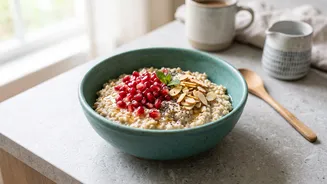
After a diet heavy on refined carbs and sugar, your body craves fibre and protein to restore balance. Fibre, found in seasonal fruits, vegetables, and whole grains, helps regulate digestion and clear out your system. Simple, light meals like dal-chawal, vegetable khichdi, or dalia are excellent choices. Including protein from sources like dal, paneer, yoghurt, or sprouts helps keep you full and satisfied, reducing the urge to snack on leftover sweets. Aim to add colourful vegetables to every meal, whether in a salad, sabji, or soup.
Embrace Gentle, Mindful Movement
You don't need to hit the gym for an intense workout to compensate for festive eating. In fact, overstretching yourself when you're feeling sluggish can be counterproductive. Instead, focus on gentle movement. A simple 10–15 minute walk after meals can significantly aid digestion and help manage blood sugar levels. Light activities like walking, yoga, or stretching increase circulation and help move toxins through your system. The key is consistency, not intensity. Resuming a light exercise routine helps restore energy levels and supports your body's reset process.
Prioritise Restorative Sleep
The importance of sleep in recovery is often underestimated. Late–night Diwali parties can disrupt your natural sleep cycle, which affects everything from your hormones to your digestion. Poor sleep can increase stress hormones and appetite, making you more likely to crave unhealthy foods. To get back on track than try to return to a regular sleep schedule. Aim for 7–9 hours of quality sleep per night. Creating a calming bedtime routine such as avoiding screens before bed and keeping your room dark and cool can help your body repair and rejuvenate itself.