





Understanding E20 Fuel
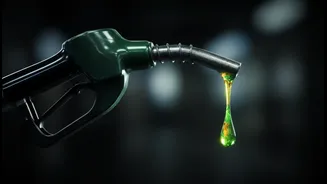
First, let's break down the terminology. E20 is a blend of 80% petrol and 20% ethanol. Ethanol is a biofuel, primarily derived from agricultural sources like sugarcane and maize in India. The Indian government is actively promoting its use for several
key reasons: to reduce the country's heavy reliance on imported crude oil, to lower vehicular emissions for cleaner air, and to provide an economic boost to the agricultural sector. The rollout of E20 fuel at pumps across the country has been accelerated, making it the new standard petrol for many Indian drivers. This transition is a core part of India's long-term energy strategy, aiming for greater self-reliance and a smaller carbon footprint.
The BS VI and RDE Connection
The term BS VI (Bharat Stage 6) refers to the latest emission standards for vehicles in India, which came into effect in April 2020. More recently, from April 2023, the even stricter BS VI Phase 2 norms were introduced. A crucial part of these new regulations is the Real Driving Emissions (RDE) test, which requires cars to meet emission targets in real-world conditions, not just in a lab. A key requirement under these advanced norms is that vehicles must be compatible with newer, cleaner fuels. This is where E20 comes in. For a vehicle to be fully compliant with BS VI Phase 2 standards, its engine and fuel system must be capable of running efficiently and reliably on E20 petrol without long-term damage.
Mercedes-Benz's Assurance to Customers
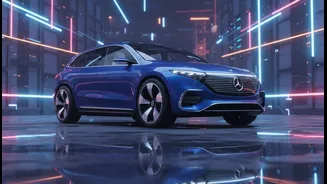
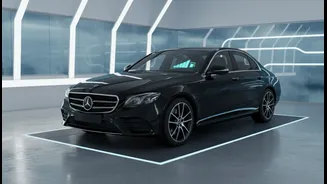
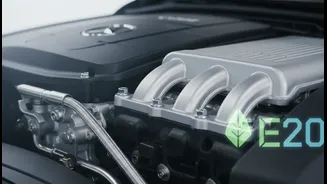
In a formal statement, Mercedes-Benz India has clarified that all its petrol vehicles compliant with BS VI norms are 'materially compatible with E20 fuel and certified accordingly'. This announcement was timely, as it came after a viral social media video raised concerns about a drastic mileage drop in a Mercedes SUV, which the user attributed to E20 fuel. By 'materially compatible', the company means that the components of the fuel system—such as fuel lines, gaskets, and engine parts—are engineered to withstand the different chemical properties of ethanol, which can be corrosive to materials not designed for it. This certification provides peace of mind to owners, confirming their luxury vehicles are future-proofed for India's changing fuel landscape.
What This Means for Car Owners
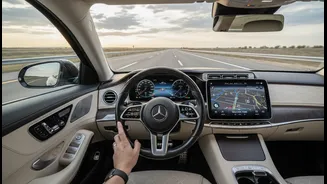
If you own a BS VI petrol Mercedes, this announcement is a confirmation that your vehicle is ready for the new standard fuel. You can use E20 petrol without worrying about material degradation. However, it's worth noting a widely accepted characteristic of ethanol-blended fuel: it has a slightly lower energy density than pure petrol. This can result in a minor decrease in fuel efficiency, typically in the range of 3-5%, which is considered normal and not a sign of a vehicle fault. Any dramatic drop in mileage is more likely to be caused by other factors like driving conditions, vehicle maintenance, or tyre pressure. For owners of older, non-E20 compliant vehicles, using the new fuel blend consistently could risk damage to fuel system components over time.
The Bigger Picture for the Auto Industry
Mercedes-Benz is not alone. Many other major automakers in India, including Maruti Suzuki, Hyundai, Tata Motors, and Mahindra, have also confirmed that their newer models are E20 compliant. This represents a unified industry effort to align with the government's Ethanol Blending Programme and reassure consumers during this transition. The move towards E20 is a significant step in India’s journey towards sustainable mobility. While it presents engineering challenges for manufacturers and a learning curve for consumers, it is a critical part of a broader strategy. The clear communication from premium brands like Mercedes-Benz plays a vital role in building consumer confidence and ensuring a smoother shift to cleaner fuels nationwide.