






From Niche to Necessity
Not long ago, protein supplements were mostly found in specialty stores, targeting bodybuilders and elite athletes. Today, they are a staple in the shopping carts of millions of urban Indians. This shift is not accidental; it’s driven by a powerful wave
of health and wellness consciousness sweeping across the country’s cities. More than ever, consumers are reading nutritional labels and moving from being merely calorie-conscious to becoming deeply aware of their nutritional intake. This growing awareness is coupled with rising disposable incomes and a proactive approach to preventive healthcare. Protein is no longer just for building muscle; it's seen as essential for overall well-being, weight management, and active aging. The result is a market that has moved firmly beyond the gym, catering to working professionals, busy parents, and health-focused individuals from all walks of life.
The Plant-Based Revolution
One of the most significant trends within this protein boom is the explosive growth of plant-based alternatives. Catering to India's large vegetarian and growing flexitarian population, the plant protein market is expanding at a remarkable rate, with some estimates showing an 18% annual growth. This sector, valued at thousands of crores, is projected to double in the next five years. Soy protein remains a dominant and cost-effective ingredient, but pea protein is emerging as the fastest-growing star, prized for its clean-label appeal. Brands are innovating with everything from mock meats and plant-based dairy to protein isolates derived from chickpeas and mung beans, aligning with traditional dietary patterns while offering modern convenience. This surge is also fueled by a desire for sustainable food choices among a new generation of environmentally conscious consumers.
Convenience is King
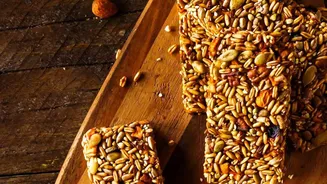
The hectic pace of urban life has made convenience a non-negotiable factor in food choices. This is where the new wave of protein products truly shines. The demand for on-the-go nutrition has fueled a massive market for protein bars, ready-to-drink shakes, and high-protein snacks like chips, wafers, and cookies. Quick commerce platforms have seen orders for protein-related products surge by as much as 150% over the past two years, demonstrating a clear consumer need for accessible and easy nutrition. This trend is democratizing protein consumption. It’s no longer confined to a post-workout shake. It’s a mid-day snack at the office, a quick breakfast on the run, or a healthy addition to a child's tiffin box. Even traditional foods are getting a protein makeover, with fortified dosa batter and high-protein biscuits appearing on shelves.
Beyond the Metros
While major metropolitan areas like Bengaluru, Mumbai, and Delhi are leading the charge, the most startling growth is happening in Tier-II and Tier-III cities. Markets in cities like Nagpur, Jaipur, and Chandigarh are reportedly growing over 200% faster than their metro counterparts, signaling a nationwide shift in dietary habits. The expansion of e-commerce and quick commerce has made these products accessible to a much wider audience, breaking down geographical barriers to nutritional access. This wider adoption means that while new formats are gaining ground, traditional protein sources remain incredibly popular. Shopping carts often feature a mix of old and new, with paneer and eggs sitting alongside Greek yogurt and protein bars in what is being called a 'multi-protein basket'.
Challenges and the Road Ahead
Despite the impressive growth, the market faces challenges. A significant portion of high-quality protein ingredients, particularly whey, is still imported, leading to higher prices and supply chain vulnerabilities. Furthermore, the rapid boom has led to concerns about product quality, with studies highlighting issues of mislabeling and counterfeit supplements. This has created a 'trust deficit' that brands are now working to overcome through transparent labeling and third-party certifications. However, the direction is clear. The Indian consumer's relationship with food is evolving from a focus on sustenance to a pursuit of wellness. As awareness continues to grow and domestic production capabilities improve, the protein market is set to become one of India's most significant consumer growth stories.