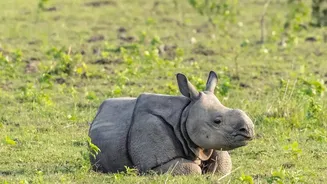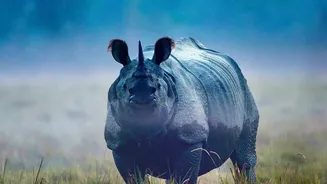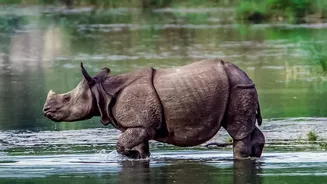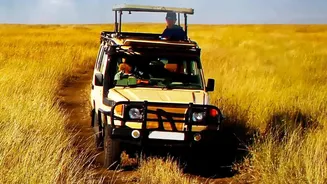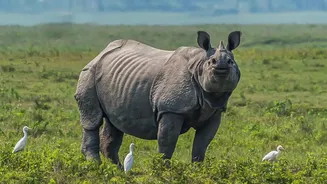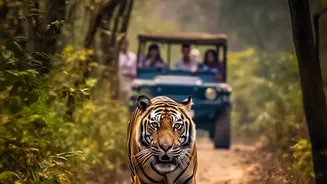





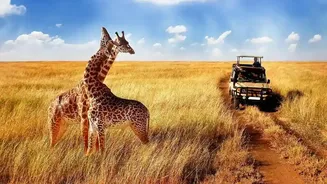

The thrill of an Assamese safari is legendary: mist-clad grasslands, the shadow of a one-horned rhino, the call of an unseen bird. But the true magic lies not just in what you see, but in how you see it. The designated path is the story.
More Than Just a Sighting
A trip into the
wilds of Assam is often driven by a checklist: the rhino, the elephant, perhaps even the elusive tiger. While these 'Big Five' sightings are undeniably breathtaking, a deeper experience awaits those who look beyond the trophy spots. Sticking to the approved safari routes in national parks like Kaziranga and Manas is about more than just following rules; it’s about understanding the wilderness as a living, breathing ecosystem. These government-approved paths are not arbitrary. They are carefully curated journeys designed to reveal the intricate connections between the animals and their habitats, minimizing environmental impact while maximizing a visitor's understanding of the conservation efforts that keep these parks alive.
The Story Told by the Trail
Each safari zone in a park like Kaziranga tells a different chapter of its ecological story. The park is divided into several ranges, including the Central (Kohora), Western (Bagori), Eastern (Agoratoli), and Burapahar, each with a unique landscape. A drive through the open grasslands of the Western Range, known for its high density of rhinos, offers a different experience from the forested, hilly terrain of Burapahar, which is home to the Hoolock Gibbon, India's only ape. The Eastern Range, with its extensive wetlands and proximity to the Brahmaputra River, is a paradise for birdwatchers. These routes are designed to showcase this diversity, guiding you through tall elephant grass, serene wetlands, and dense woodlands, demonstrating how each environment supports a different cast of characters. Following them allows you to appreciate not just the individual animals, but the entire landscape that sustains them.
Your Guide: The Naturalist Narrator
The most crucial element of a contextual safari is often the person sitting beside the driver: your guide. On official routes, you are accompanied by trained naturalists and forest guards whose knowledge transforms a simple drive into a masterclass in ecology. These local experts do more than just spot animals. They interpret animal behaviour, identify the chorus of bird calls, and point out the subtle signs of life you would otherwise miss. They can explain why certain grasses grow in one area or how the wetlands serve as a critical nursery for fish and migratory birds. They are the storytellers who connect the dots between the wildlife, the landscape, and the ongoing conservation narrative, providing insights that turn a viewing into a genuine learning experience.
A Partnership in Conservation
Choosing an approved safari is also an act of responsible tourism. These designated routes are a core part of a management strategy that protects sensitive habitats, avoids disturbing breeding grounds, and reduces soil erosion. This structured approach ensures that the tourism footprint remains light. This model is especially poignant in places like Manas National Park, a UNESCO World Heritage site that recovered from severe degradation thanks to concerted conservation efforts and community involvement. Revenue from regulated tourism directly funds anti-poaching patrols, habitat restoration, and community empowerment initiatives. By staying on the path, visitors become partners in this delicate balance, ensuring that the wild spaces of Assam can continue to thrive and tell their stories for generations to come.