



The Paradise Lost
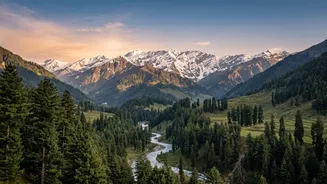
Shimla, Manali, Mussoorie, Ooty—the names evoke images of serene landscapes, colonial-era cottages, and leisurely walks on the mall road. For generations, they have been our collective sanctuaries. Today, that tranquility is a distant memory, replaced
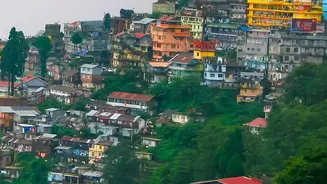
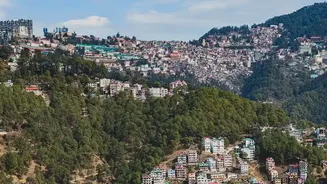
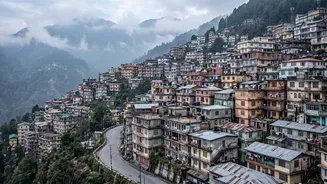
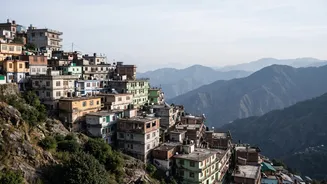
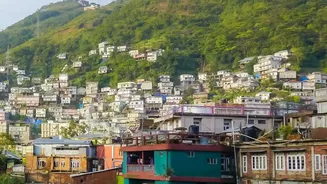
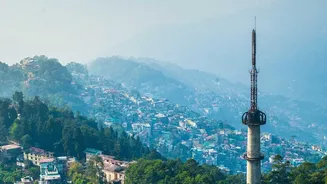
by the chaos of overtourism. During peak season, these towns are bursting at the seams, with kilometre-long traffic jams, overcrowded tourist spots, and a constant cacophony of construction. Shimla, a city built for a population of 25,000, now supports over 800,000 people, with tens of thousands of tourists arriving daily in summer. The very peace that travellers seek is being systematically dismantled by the sheer volume of their arrival.
Development Without a Plan
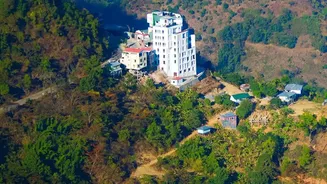
The crisis is rooted in decades of unchecked, haphazard growth. As heatwaves in the plains intensify, the rush to the mountains has accelerated, driving a boom in hotel and homestay construction. Much of this development is unregulated, flouting building codes and ignoring the fragile geology of the Himalayas. Forests are cleared and slopes are cut to make way for multi-storey buildings and wider roads, leading to increased risks of landslides and soil erosion. This aggressive expansion has occurred without corresponding upgrades to essential infrastructure, placing an unsustainable burden on systems designed for much smaller populations.
A Crisis of Water and Waste
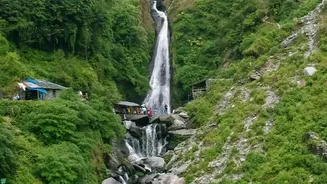
Two of the most critical consequences of this over-development are severe water scarcity and a colossal waste management problem. During peak tourist seasons, many hill stations face acute water shortages, with local residents often bearing the brunt of rationing while hotels cater to tourist demand. Shimla has famously stared down a 'Day Zero' water crisis, a situation becoming more common across the Himalayas. Simultaneously, the surge in visitors generates mountains of garbage, particularly single-use plastics, that overwhelm local municipal capacities. Waste is often dumped openly or burned, polluting the air and contaminating water sources, turning scenic spots into dumping grounds.
The Local Dilemma
While tourism is the economic backbone for many mountain communities, the current model of mass tourism raises questions about who truly benefits. The strain on resources often leads to a diminished quality of life for permanent residents, who grapple with traffic, inflation, and environmental degradation. The very culture and heritage that make these places unique are also at risk of being eroded by commercialization. In some areas, the social fabric is fraying as locals find themselves in a 'water war' with the tourism industry, highlighting a growing disconnect between economic gains and community well-being.
Can Charm Be Reclaimed?
Reversing the damage requires a fundamental shift from volume-based tourism to a more sustainable, value-oriented model. Experts and policymakers are increasingly calling for the implementation of 'carrying capacity' studies to determine and enforce limits on visitor numbers. Potential solutions include promoting lesser-known destinations to distribute the tourist load, incentivizing off-season travel, and enforcing stringent green building codes. Bhutan's 'high-value, low-impact' tourism policy is often cited as a successful model to emulate. Ultimately, change also depends on travellers themselves adopting a more responsible mindset, such as minimizing waste and conserving resources, to help preserve the mountains they come to enjoy.