





What Exactly is Cafestol?
Cafestol is a natural compound, a type of molecule called a diterpene, found in the oily part of coffee beans. It's present in all coffee to some extent, whether it’s caffeinated or decaffeinated. However, the amount that actually makes it into your cup
depends almost entirely on how you prepare it. Along with another compound, kahweol, cafestol is responsible for some of coffee's characteristic bitterness and aroma. But its most significant impact, and the reason it gets so much attention, is its documented effect on the body's cholesterol levels.
The Link Between Cafestol and Cholesterol
The main health concern associated with cafestol is its ability to raise serum cholesterol levels. Specifically, it can increase LDL cholesterol, often referred to as the "bad" cholesterol. Studies have shown that cafestol interferes with a key receptor in the intestines that helps regulate cholesterol. This interference signals the liver to produce more LDL. Research has quantified this effect, showing that regular consumption of high-cafestol coffee can lead to a measurable increase in cholesterol. One study noted that drinking five cups of French press coffee daily for four weeks could raise LDL cholesterol by 6 to 8 percent. It's considered one of the most potent cholesterol-elevating compounds found in the human diet.
Why Brewing Method is a Game Changer
The crucial factor determining cafestol levels is filtration—specifically, the use of a paper filter. Paper filters are extremely effective at trapping the coffee oils where cafestol resides, preventing them from ending up in your mug.
High-Cafestol Brews (Unfiltered):
These methods do not use a paper filter, allowing the oils to pass through freely.
- French Press (or Plunger Pot): Uses a metal mesh filter.
- Turkish or Greek Coffee: Made with ultra-fine grounds that are simmered in water and consumed directly.
- Scandinavian-style Boiled Coffee: Involves boiling coarse grounds with water.
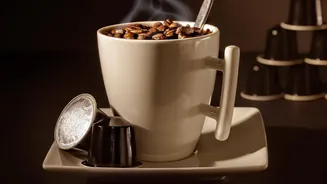
- Espresso: While a single serving is small, the unfiltered, pressure-brewed method means it contains more cafestol than filtered coffee.
Low-Cafestol Brews (Filtered):
These methods use a paper filter that captures the vast majority of cafestol.
- Drip Coffee Maker: The classic machine found in many homes and offices.
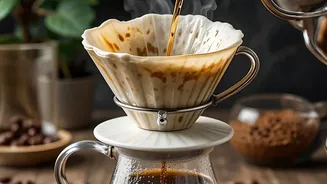
- Pour-Over (like a V60 or Chemex): Relies on a paper filter to brew.
- Instant Coffee: Has negligible amounts of cafestol.
Should You Worry About Your French Press?
The answer depends on your health and consumption habits. For a healthy person with normal cholesterol levels, an occasional cup of French press coffee is unlikely to cause any harm. The cholesterol-raising effects are dose-dependent, meaning the more you drink, the greater the impact. Someone drinking four or five cups of unfiltered coffee every day is consuming enough cafestol to significantly affect their lipid profile. However, if you already have high cholesterol or are at risk for cardiovascular disease, health experts suggest being more cautious. In this case, switching to a paper-filtered brewing method is a simple and effective way to reduce your cafestol intake without giving up coffee entirely.
Are There Any Hidden Benefits?
Interestingly, the story of cafestol isn't entirely negative. Research is ongoing, but some studies suggest it may have positive effects, too. It has shown anti-inflammatory and potential anti-cancer properties in laboratory settings. More recently, a 2024 study indicated that cafestol supplementation, even while not improving insulin sensitivity, was associated with a reduction in body weight and visceral fat. These potential benefits add complexity to the picture, suggesting that cafestol's role in health is multifaceted. However, these findings are still emerging and don't negate the well-established link between high intake and increased cholesterol.