


Beyond a Simple Staple
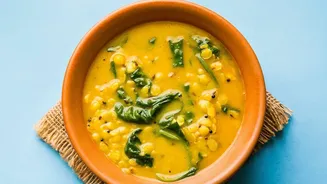
Dal is more than just a side dish; it’s a nutritional powerhouse. Lentils are packed with protein, fibre, vitamins, and minerals. While a single type of dal is good, a combination of several varieties elevates the dish from basic to brilliant. The practice
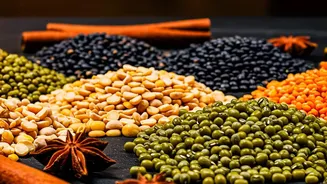
of mixing dals is a long-standing tradition in many parts of India, most famously in the Rajasthani Panchmel or Panchratna Dal, which combines five different lentils. This isn't just for taste; it's a smart way to create a more balanced and nutrient-dense meal from simple pantry ingredients. Each dal brings its own unique profile of nutrients, so when combined, you get a broader spectrum of health benefits in every spoonful.
Creating a Complete Protein
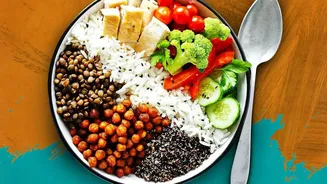
For vegetarians, one of the key nutritional puzzles is getting a 'complete protein'—one that contains all nine essential amino acids our bodies can't produce. Most plant-based foods, including individual dals, are 'incomplete,' meaning they are low in one or more of these amino acids. Lentils, for instance, are typically low in the amino acid methionine. Grains like rice and wheat, on the other hand, are low in lysine, which dals have in abundance. This is why the classic dal-roti or dal-rice combination is a stroke of nutritional genius. Mixing different dals together can also help create a more robust amino acid profile. For example, combining urad dal with moong dal, or chana dal with masoor dal, creates a synergy that enhances the overall protein quality of the meal.
A Symphony of Flavour and Texture
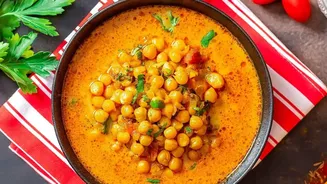
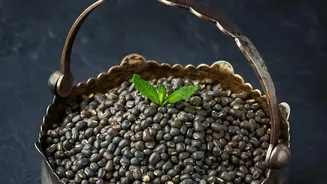
Beyond nutrition, mixing dals adds incredible depth and complexity to your cooking. Each lentil has a distinct personality. Toor (arhar) dal provides a stable, mildly sweet base, while masoor dal (red lentil) cooks down quickly to create a creamy, velvety texture. Chana dal holds its shape more, offering a nutty flavour and a pleasant bite. Urad dal lends a certain earthiness and body, and moong dal is known for being light and easy to digest. When you combine them, you move beyond a one-note dish. A mix of toor and masoor dal, for example, gives you a dal that is both substantial and creamy. A panchmel dal combines the creaminess of masoor, the bite of chana, and the foundational flavours of toor, moong, and urad for a truly multi-layered experience.
Classic Combinations to Try
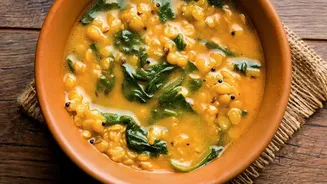
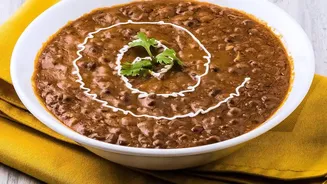
Getting started is easy. You can begin by experimenting with simple pairs or dive right into a multi-lentil blend. A great starting point is Toor Dal and Masoor Dal, a popular combination where the quick-cooking masoor dal helps soften the toor dal, reducing overall cooking time and creating a smooth consistency. Another classic is Chana Dal and Urad Dal, often seen in dishes like the famous Dal Makhani, which uses whole urad. This combination yields a rich, hearty, and deeply flavourful dish. For a lighter, easy-to-digest option, try Moong Dal and Masoor Dal. Both cook relatively quickly and create a simple, comforting dal that is gentle on the stomach. The ultimate mix is the Panchratna Dal, typically a blend of toor, chana, moong, masoor, and urad dal. This Rajasthani specialty is a testament to how five simple lentils can create one extraordinary dish.
Tips for Cooking Mixed Dals
Cooking with multiple dals requires a little thought, but it's not complicated. The most important factor is cooking time. Dals like chana and urad are tougher and take longer to cook than quick-cooking masoor or moong dal. To ensure everything cooks evenly, it's a good idea to soak the harder lentils for at least 30 minutes to an hour before cooking. Some recipes even call for soaking them overnight. When using a pressure cooker, which is highly recommended, you can generally cook most soaked dals together for about 5-7 whistles on a medium flame. If you're cooking in an open pot, you may need to add the quicker-cooking dals later in the process. Don't be afraid to experiment with the ratios to find the texture and flavour you like best.