



From Principles to People
For years, Kerala has been a global leader in responsible tourism, championing policies that put local communities and the environment first. The state’s Responsible Tourism (RT) Mission has successfully linked tourism with local economies, ensuring that revenue
benefits farmers, artisans, and small businesses. But in 2026, the story is evolving. The focus is shifting from broad principles to targeted, on-the-ground implementation that empowers people directly and makes sustainability a tangible reality for both residents and visitors. This involves a deeper push into experiential travel, where tourists can engage with village life, local cuisine, and traditional livelihoods in a way that is authentic and mutually beneficial.
Introducing the Green Marshals
One of the most significant recent developments is the planned rollout of the 'Green Marshal' initiative. Set to officially launch in October, this program will create a local workforce to monitor popular tourist destinations. These marshals, deployed in key areas like Fort Kochi and Alappuzha, will focus on destination upkeep, visitor assistance, waste management, and ensuring overall safety. Tourism Minister P.C. Vishnunadh highlighted that the initiative aims to provide both protection and support to tourists, a need amplified by the rising number of solo female travelers. By creating jobs for locals to protect their own environment and assist visitors, Kerala is embedding the principles of sustainability directly into the community fabric.
Investing in a Greener Future
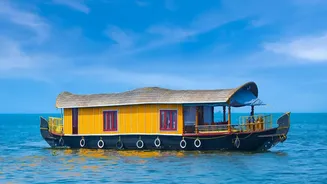
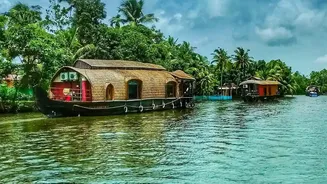
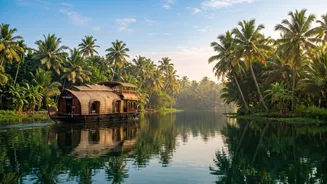
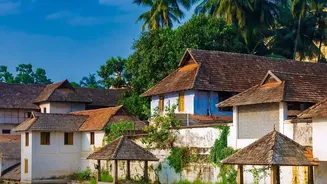
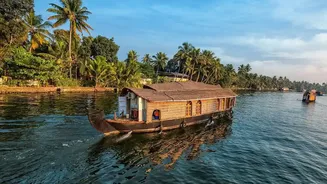
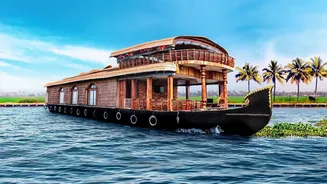
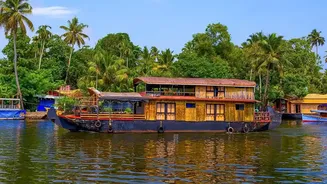
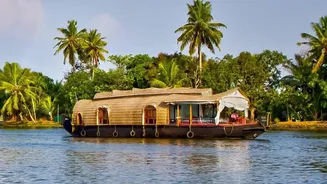
This community-centric approach is backed by significant government investment and strategic planning. The 2026-27 budget allocated over ₹325 crore to the tourism sector, with a clear emphasis on sustainable projects. A key policy move is the plan to grant tourism 'industry status' by October 2026, which will simplify investment and provide businesses with incentives typically reserved for other industries. This financial backing is crucial for projects like establishing waste treatment plants for houseboats in Alappuzha and expanding heritage tourism in a sustainable way, such as with the Muziris project. These efforts show a long-term vision to build a resilient tourism ecosystem that can operate year-round without overburdening natural resources.
The New Tourist Experience
So, what does this mean for the traveler? It means the opportunity for a richer, more immersive experience. The trend is moving away from conventional sightseeing and towards authentic cultural immersion. The state is developing new 'life experience trails' that allow visitors to connect with the state through its people and traditions. This could mean learning from a village artisan, understanding local farming practices, or simply interacting with communities in a meaningful way. This model not only enriches the visitor's journey but also ensures that tourism remains a force for good, preserving the very culture and nature that makes Kerala so unique. By focusing on these connections, Kerala is proving that the most memorable travel experiences are also the most responsible ones.