


A New Kind of Taxi Needs a New Kind of Connection
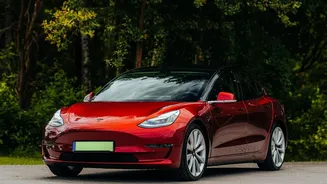
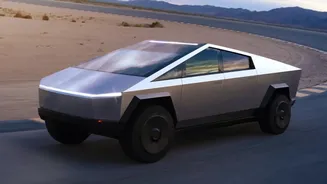
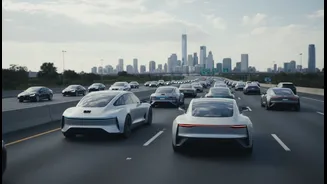
The Cybercab is Tesla's purpose-built robotaxi, a vehicle designed from the ground up to operate without a driver, pedals, or a steering wheel. Unlike consumer cars, these vehicles will operate as part of a vast, centrally managed fleet. For this to work,
each vehicle needs a constant, reliable data connection. While today's cars use cellular (4G/5G) for navigation and infotainment, an autonomous fleet has much greater demands. A robotaxi must be able to receive critical software updates, navigate complex environments with real-time data, and, if it gets stuck, communicate with a remote support team. Relying solely on cellular networks creates a potential point of failure; a single dead zone could take a vehicle offline, disrupting the service.
Why Starlink is the Strategic Choice
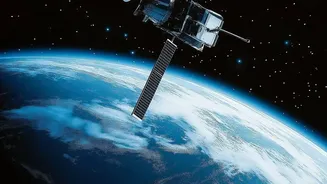
Enter Starlink, the satellite internet service operated by Elon Musk's other major company, SpaceX. By equipping Cybercabs with a Starlink terminal, Tesla can create a redundant connectivity layer. If a vehicle drives through an area with poor or no cellular coverage, it can switch to satellite to stay online. Tesla officially confirmed that the Cybercab will feature a directly integrated Starlink V5 terminal, which is smaller and more power-efficient than previous models. This synergy between Musk's companies is a significant strategic advantage. It allows Tesla to control its own connectivity infrastructure, reducing dependence on third-party telecom providers and future-proofing the fleet for expansion into less developed areas where 5G is not widespread.
More Than Just Passenger Wi-Fi
While passengers will certainly enjoy high-speed internet for streaming 4K videos or taking video calls, the primary reason for the integration is fleet management. According to Tesla's head of AI, Ashok Elluswamy, the connection is mainly for navigation, customer service, and general fleet oversight. This includes pushing over-the-air software updates to the entire fleet simultaneously, monitoring the health of each vehicle, and providing remote assistance. For a vehicle with no driver, the ability for a remote operator to see what the car sees and provide guidance is crucial if it encounters a novel situation. A stable, high-bandwidth satellite link ensures this remote support system is always available.
Is It Required for Safety?
Tesla officials have been clear that the Starlink connection is not currently required for the safe operation of the vehicle. The car's self-driving system runs on a powerful onboard computer, processing data from its cameras and sensors to navigate without needing to be connected to the internet. The satellite link is a backup and a tool for fleet logistics, not a core component of the driving system itself. However, some experts note that as autonomous systems become more advanced, constant connectivity could play a larger role in safety, enabling cars to share real-time hazard data with each other and with infrastructure. For now, it serves as a powerful redundant system, ensuring the robotaxi service remains reliable.
The Road Ahead
The integration of Starlink into the Cybercab is a clear signal of Tesla's long-term vision. It transforms the vehicle from a standalone car into a perpetually connected node in a global transportation network. Although there has been some discussion about the chosen V5 terminal not being officially rated for in-motion use, its selection was likely influenced by its higher thermal tolerance, a key factor for automotive integration. As Tesla continues its phased rollout of the Robotaxi service, which recently expanded to Tampa and Orlando, the role of this space-based connectivity will only grow. It's a key piece of the puzzle in building a robust, scalable, and globally accessible autonomous ride-hailing network.