





The Vrat-Friendly Spice Box
Before you begin, it's essential to know which spices are generally permitted during Hindu fasts. While traditions can vary, most Sattvic diets followed during Vrat allow a core set of flavourings. Your go-to spice kit should include Sendha Namak (rock
salt) instead of regular table salt. Other staples are kali mirch (black pepper), jeera (cumin) powder, and green chillies. Some traditions also permit amchur (dry mango powder) for a tangy kick, along with warming spices like cinnamon and cloves. Ginger is also widely used. Always check with your family's customs, but these basics will get you started on a flavourful journey.
Perfecting the Crispy Makhana Base
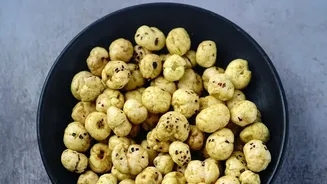
The secret to delicious seasoned makhana is getting the base right. The goal is a light, airy crunch. To achieve this, you must roast them properly. Heat a heavy-bottomed pan on a low flame. You can either dry roast the makhana or add a teaspoon of ghee for a richer flavour. Keep stirring continuously for about five to seven minutes. The makhana will shrink slightly and turn crisp. To test if they're done, take one out and press it between your fingers; it should shatter easily with a satisfying crunch. If it feels chewy or sticks to your teeth, it needs a few more minutes on the heat. Once roasted, transfer them to a bowl and let them cool.
Preparing Tender, Ready-to-Eat Sprouts
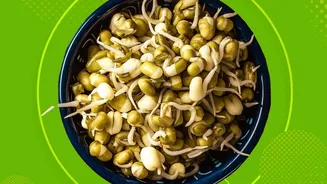
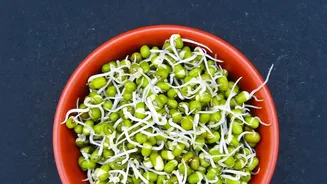
Sprouts are packed with protein and nutrients, making them an excellent addition to a fasting diet to maintain energy levels. However, whether they are consumed during a fast often depends on community and family traditions. If they are a part of your family's Vrat diet, preparation is simple. While you can eat them raw, many prefer to lightly cook them. You can steam them for a few minutes until they are just tender but still have a bite. Alternatively, you can boil them for two to three minutes and then drain them thoroughly. This light cooking makes them easier to digest. Avoid overcooking, as they can become mushy and lose their pleasant texture.
Classic & Simple: Cumin and Pepper
This is the easiest and most classic way to season your makhana. While the roasted makhana are still warm, toss them with a teaspoon of ghee (optional). Then, sprinkle a generous amount of roasted cumin powder, freshly ground black pepper, and sendha namak to taste. Toss everything together until the makhana are evenly coated. This simple combination is wonderfully aromatic and highlights the nutty flavour of the makhana. You can use the same seasoning for your prepared sprouts, adding a squeeze of lemon juice for a touch of freshness before serving.
Tangy and Herbaceous Green Seasoning
For a fresher, more vibrant flavour, turn to herbs. Create a simple Vrat-friendly green chutney by blending fresh coriander leaves, mint leaves, green chillies, ginger, and a little sendha namak with a squeeze of lemon juice. You can toss your roasted makhana and sprouts in this chutney for an instant flavour boost. If you prefer a dry seasoning, finely chop the herbs and mix them with sendha namak and amchur powder (if your tradition allows). Sprinkle this herby mix over the warm makhana and sprouts for a zesty and refreshing snack.
Assembling the Ultimate Vrat Chaat
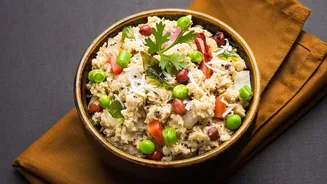
Why settle for one when you can have both? A makhana and sprout chaat is the perfect way to combine these ingredients into a filling and delicious snack. In a large bowl, combine your seasoned makhana and sprouts. To this, you can add other Vrat-friendly ingredients like boiled and cubed potatoes, chopped cucumber, and fresh pomegranate seeds for a burst of sweetness and crunch. For a creamy element, whisk some chilled yogurt with a pinch of sendha namak and a little sugar, and drizzle it over the top. Garnish with fresh coriander and a final sprinkle of cumin powder. Serve it immediately to ensure the makhana stays crispy.