




The Heart of the Matter
A consensus of top experts from fields like cardiology, public health, and nutrition are recommending the adoption of potassium-enriched, low-sodium salt substitutes (LSSS) as a key strategy to fight rising rates of hypertension and cardiovascular disease
in India. This isn't just a casual suggestion; it's a direct response to a 'silent epidemic'. Studies show that the average Indian consumes 8 to 11 grams of salt daily, which is nearly double the World Health Organization's (WHO) recommended limit of 5 grams. This excessive sodium intake is a primary driver of high blood pressure, which is responsible for an estimated 57% of all stroke deaths and 24% of all coronary heart disease deaths in India.
Table Salt vs. Salt Substitutes
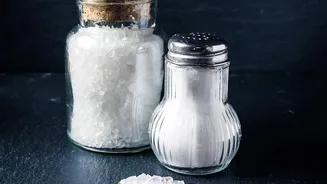
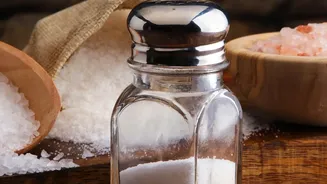
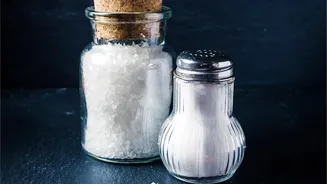
So, what’s the difference? Standard table salt is sodium chloride (NaCl). Low-sodium salt substitutes are typically blends where a portion of the sodium chloride—usually 25-30%—is replaced with potassium chloride (KCl). This small change in composition makes a huge difference. You get less of the mineral that raises blood pressure (sodium) and more of a mineral that helps counteract sodium's effects and can help lower blood pressure (potassium). The result is a product that looks, cooks, and tastes very similar to regular salt, making it an easy swap in the kitchen. Crucially, since about 80% of the salt Indians consume is added during home cooking, a change at the household level could have a massive public health impact.
The Proven Health Benefits
The push for low-sodium salt isn't based on theory; it's backed by strong scientific evidence. A large-scale study in China involving nearly 21,000 participants found that using a salt substitute led to a 14% reduction in strokes, a 13% reduction in major cardiovascular events, and a 12% drop in overall mortality. Research within India has shown similar promise. A trial in rural India demonstrated that using a potassium-enriched salt substitute lowered systolic blood pressure by a significant 4.6 mmHg among people with hypertension. Some experts have even referred to it as a 'dietary vaccine' for hypertension because it offers constant protection without requiring people to change their traditional diets or sacrifice taste.
Are There Any Risks?
While low-sodium salt is a safe and effective tool for the vast majority of the population, it's not for everyone. The key consideration is the added potassium. For individuals with healthy kidneys, processing this extra potassium is not a problem. However, people with conditions that impair potassium excretion, such as chronic kidney disease, those on certain medications for heart failure, or individuals with diabetes, should be cautious. In these cases, potassium levels can build up in the blood, a condition called hyperkalemia, which can be dangerous. Experts stress that the potential risks are often overstated compared to the wide-ranging public health benefits and that with simple screening, up to 90% of people could safely make the switch. The consensus is clear: always consult a doctor before changing your diet, especially if you have a pre-existing health condition.
What This Means for You
The recommendation from experts includes integrating these substitutes into national health guidelines and major government nutrition programmes, like mid-day meals. But there are also challenges to overcome. A survey in Chennai found that while these salts were available in about half of supermarkets, only 4% of local kirana stores stocked them. They also tend to cost more than double the price of regular iodised salt, which could hinder adoption. As awareness grows, availability and affordability will likely improve. For now, the proposal serves as a powerful reminder to be mindful of not just the type of salt we use, but more importantly, the amount. Reading labels on processed foods and being conscious of salt added during cooking remain fundamental steps for a heart-healthy life.