


The All-Rounder: Classic Rava Upma
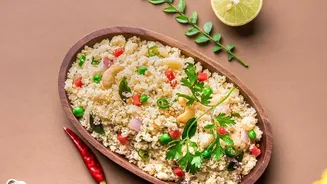
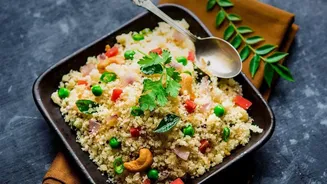
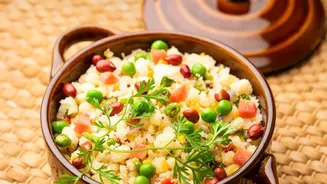
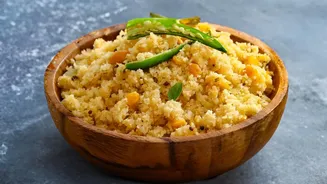
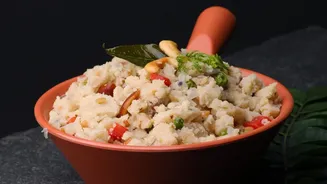
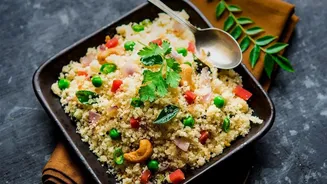
This is the version most of us know and love. Made from dry-roasted semolina (rava or suji), it’s a simple, comforting, and incredibly versatile dish. The classic preparation involves a tempering of mustard seeds, cumin, curry leaves, and sometimes urad
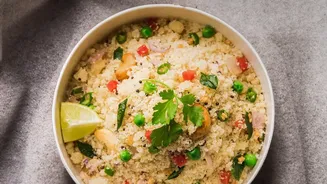
dal, sautéed in oil or ghee. Onions and green chillies add a gentle, savoury heat. Often loaded with vegetables like carrots, peas, and beans, this upma is a wholesome meal in itself. It's light yet filling, making it a go-to breakfast in households across the country, often garnished with fresh coriander and a squeeze of lime.
Karnataka’s Spicy Cousin: Khara Bath
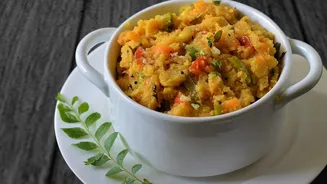
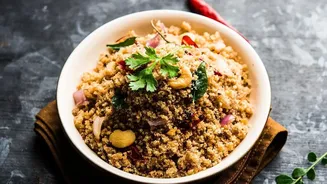
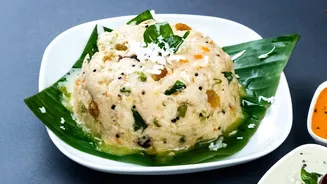
Head to Karnataka, and you’ll find that upma has a spicier, more aromatic avatar known as Khara Bath. While it also uses roasted rava as its base, the flavour profile is distinctly different. The 'khara' (meaning spicy) comes from a unique masala powder, often a house blend that might include cinnamon, cloves, and other spices, which is added during cooking. Khara Bath is typically richer in vegetables and has a much softer, almost porridge-like consistency compared to the fluffier rava upma. It's a breakfast staple in 'darshinis' (quick-service eateries) across Bangalore, famously served alongside a sweet counterpart, Kesari Bath, in a combination called 'Chow Chow Bath'.
Tamil Nadu’s Rice-Based Classic: Arisi Upma
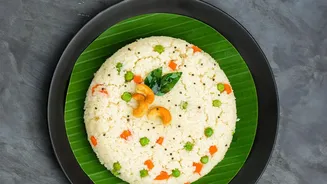
In Tamil Nadu, upma gets a gluten-free makeover with Arisi Upma, made from coarse raw rice rava instead of semolina. This version has a delightfully different texture—chewier and more substantial. The process often involves pounding raw rice with toor dal and black peppercorns to create the coarse flour. It’s then cooked with a traditional tempering of mustard seeds, curry leaves, and sometimes grated coconut. Traditionally prepared in a bronze pot called a 'vengala paanai,' this dish has a rustic charm and a peppery kick that sets it apart. It's a hearty and deeply traditional dish, often served with a sharp tamarind-based gravy like vathakuzhambu.
Maharashtra’s Tangy Twist: Sanja
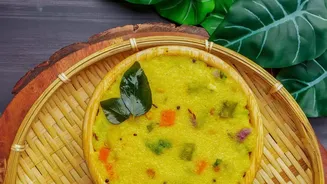
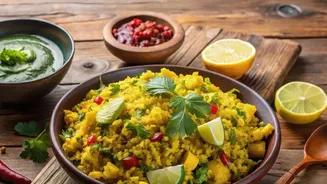
In Maharashtra, the local version of rava upma is called Sanja. What makes it unique is the use of buttermilk (taak) or curd during the cooking process, which lends it a subtle, pleasant tang. The preparation starts similarly, with roasted rava and a tempering of mustard seeds, cumin, green chillies, and onions. Peanuts are often added for a delightful crunch. The addition of buttermilk not only provides a distinct flavour but also results in a softer, creamier texture. Often referred to as 'yellow upma' due to the generous use of turmeric, Sanja is a comforting breakfast or evening snack, typically garnished with fresh coconut and sev.
The Modern Quick-Fix: Bread Upma
A testament to Indian culinary ingenuity, Bread Upma is a popular modern variation found in canteens and as street food. It's the perfect way to use up leftover bread slices. The bread is cubed and tossed in a flavourful masala of sautéed onions, tomatoes, and spices. There are two main styles: a drier version where toasted bread cubes are tossed with the masala, and a softer, pudding-like version where the bread is briefly soaked in water or buttermilk before cooking. Regardless of the method, it's a quick, delicious, and satisfying meal that soaks up all the spicy and tangy flavours, transforming simple bread into something truly special.