



The Visa Stamp: Your Entry Ticket
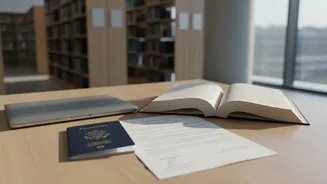
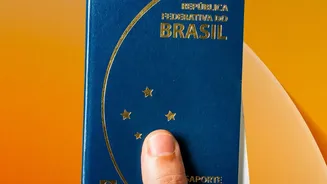
Think of the F-1 visa stamp in your passport as a key to a house. It is a travel document, issued by a U.S. embassy or consulate abroad, that allows you to request entry into the United States at a port of entry, like an airport. The stamp itself has
an expiration date, but its primary purpose is for entry only. A common point of confusion is what happens when this visa stamp expires while you are in the U.S. The simple answer is: nothing, as long as you remain in the country and maintain your student status. You do not need to leave or renew it unless you travel internationally and need to re-enter.
Your Status: The Right to Remain
If the visa stamp is the key, your F-1 'status' is the rental agreement that allows you to legally live in the house. You are granted F-1 status by a U.S. Customs and Border Protection (CBP) officer when you enter the country. This legal condition is what permits you to stay in the U.S. and study. Unlike the visa stamp, your status is not a physical document but a legal standing. The document that proves your status is the I-94 Arrival/Departure Record, which is now mostly electronic. This record is the official evidence of your lawful admission and the terms of your stay.
The I-94 and 'Duration of Status'
When you check your electronic I-94 record online, you will find an 'Admit Until Date'. For F-1 students, this typically says 'D/S', which stands for 'Duration of Status'. This is a crucial concept. It means you are authorized to stay in the United States for as long as you are a full-time student in good standing, as documented on your Form I-20. Your permission to stay is tied to your academic program, not the expiration date on your visa stamp. If your program takes four years, you can stay for four years (plus a grace period), even if your visa stamp expires after one year. You only lose status if you stop following the rules of your F-1 program, such as by dropping below a full-time course load without authorization.
SEVIS: Your Digital Compliance Record
The Student and Exchange Visitor Information System (SEVIS) is a U.S. government database that tracks all international students. Think of it as the central nervous system of your F-1 status. When you are accepted by a U.S. school, they create a SEVIS record for you and issue a Form I-20, which is the paper representation of that record. Your school's Designated School Official (DSO) is required to update your SEVIS record with information about your enrollment, address, and academic progress. Maintaining your F-1 status means keeping this SEVIS record 'Active'. Things like enrolling full-time, getting approval before working, and updating your address with your DSO are all part of keeping SEVIS—and therefore your status—in good standing.
Putting It All Together: A Simple Scenario
Let's say an Indian student arrives in the U.S. with a five-year I-20 for a bachelor's degree and a visa stamp that is valid for two years. Upon entry, they are granted F-1 status with 'D/S' on their I-94. For two years, they study full-time. Now, their visa stamp has expired. Can they legally stay in the U.S. to finish their degree? Yes. Because they are still enrolled full-time and their SEVIS record is active, their F-1 status is valid. They are in full compliance. The only time the expired visa stamp becomes an issue is if they decide to go home for a vacation in their third year. To re-enter the U.S. and resume their studies, they would need to apply for a new F-1 visa stamp at a U.S. consulate in India.