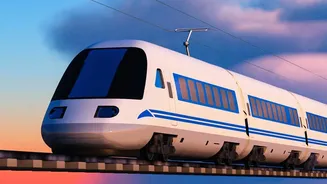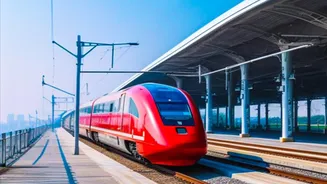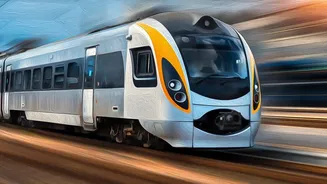




What is the Amrit Bharat Express?
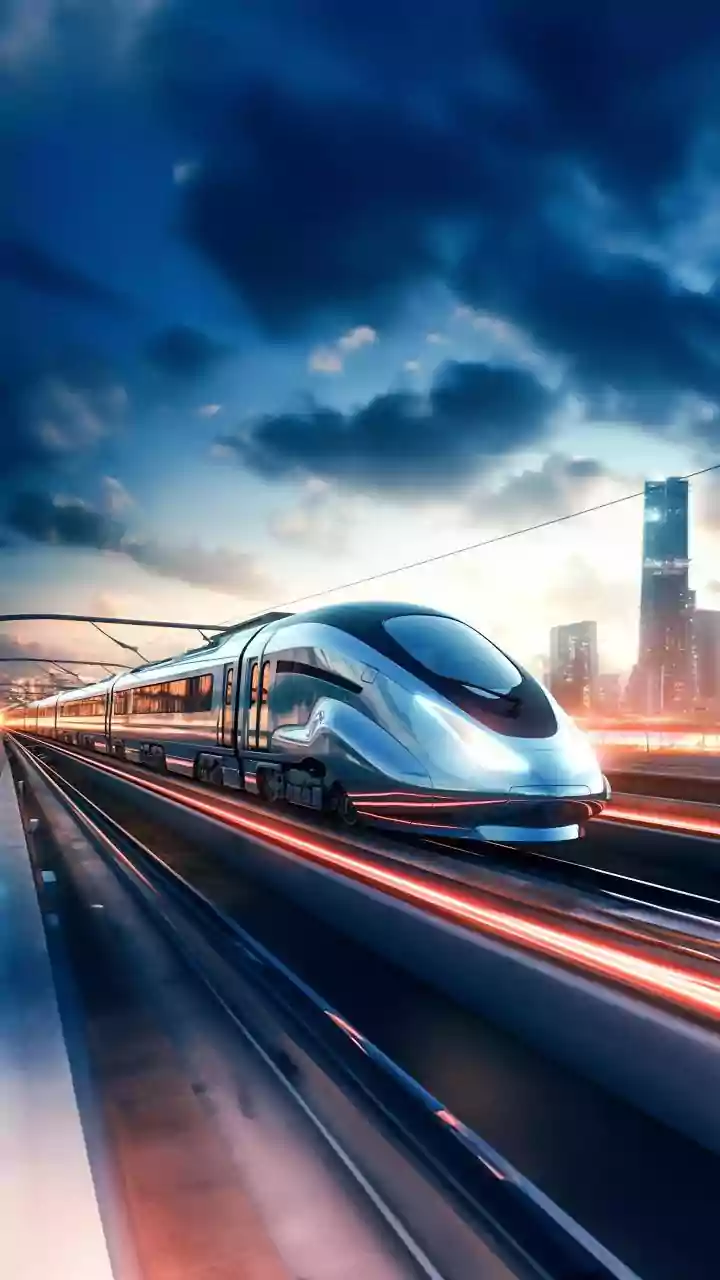
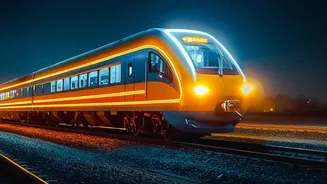
The Amrit Bharat Express is a newer class of long-distance, superfast passenger trains operated by Indian Railways. They are specifically designed as a cost-effective travel solution, catering to passengers who rely on sleeper and unreserved general class coaches.
Unlike the premium, fully air-conditioned Vande Bharat trains, Amrit Bharat services are entirely non-AC, focusing on affordability and capacity for mass mobility. Each train typically consists of 22 coaches, including 12 sleeper coaches, eight unreserved general coaches, and two luggage cars. The service was first introduced in late 2023 to serve high-density routes, particularly those over 800 kilometres, which are crucial for migrant workers and budget-conscious families.
Advanced Features on a Budget
Despite their focus on affordability, Amrit Bharat trains come with significant modern upgrades. A key feature is the 'push-pull' technology, where locomotives are attached to both ends of the train. This setup allows for faster acceleration and deceleration, reducing travel time and providing a smoother, jerk-free ride. Passenger amenities have also been improved, with cushioned seats and berths, CCTV cameras for security, modern bio-vacuum toilets, and mobile charging sockets with USB ports for every passenger. The coaches feature sealed gangways for easier movement between compartments and an aerosol-based fire suppression system for enhanced safety.
Mapping the Seven New Routes
The Railway Board has approved seven new weekly services that will significantly expand the Amrit Bharat network across northern, central, western, and southern India. These new routes are: Dhanbad to Coimbatore, connecting Jharkhand with Tamil Nadu; Charlapalli (Telangana) to Gorakhpur; and two services from the Prayagraj area to Mumbai (Lokmanya Tilak Terminus) and Udhna (Surat). Further boosting connectivity for Uttar Pradesh, routes from Gorakhpur to Delhi and Gorakhpur to Mumbai (Bandra Terminus) have been sanctioned. An additional service will run from Subedarganj to Lokmanya Tilak Terminus. These routes connect major industrial hubs, regional towns, and state capitals, addressing high passenger demand.
The Focus on Affordable Travel
The expansion of the Amrit Bharat fleet is part of a broader strategy by Indian Railways to cater to lower and middle-income passengers. The fare for these trains is structured to be budget-friendly, reportedly about 15-17% higher than older mail or express trains but without the dynamic pricing seen in premium services. This predictable pricing is a significant advantage for passengers planning long journeys. This renewed focus comes after observations that a majority of rail passengers travel in non-AC coaches. In 2024-25, Indian Railways added 1,250 general coaches to its network and has a manufacturing plan for 17,000 more non-AC coaches over the next five years.
What This Means for Passengers
The introduction of these seven trains offers a tangible benefit for millions of travellers: more direct connectivity and modern amenities without a premium price tag. For passengers on high-demand routes like those connecting Uttar Pradesh and Bihar with industrial centres like Mumbai, Delhi, and Surat, these trains provide a much-needed capacity increase. The improved safety features and faster transit times mean a more comfortable and reliable journey. While the launch dates for all seven services are yet to be officially announced, their approval signals a clear commitment from Indian Railways to balance its portfolio between high-end and mass-market services, ensuring that rail travel remains the accessible backbone of the nation's transport system.