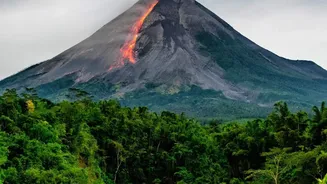




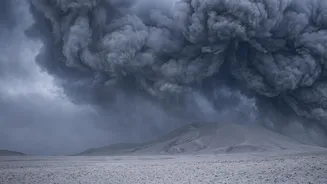
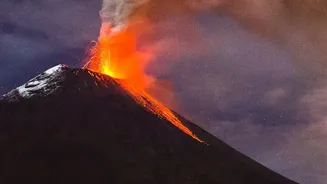
Mount Merapi, Indonesia (2010)
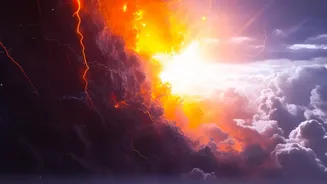
One of the most active and dangerous volcanoes in Indonesia, Mount Merapi roared to life in October 2010 with its most powerful eruption in over a century. For weeks, it spewed searing hot gas, ash, and rock fragments in devastating pyroclastic flows
that travelled at terrifying speeds down its densely populated slopes. These flows, which are impossible to outrun, were the primary cause of the disaster. The government had issued evacuation orders, but the sheer scale and intensity of the eruptions overwhelmed many communities. Ultimately, more than 350 people lost their lives, and approximately 280,000 residents were forced to flee their homes. The event served as a grim reminder of the constant threat faced by the millions of people who live in the shadow of active volcanoes.
Volcán de Fuego, Guatemala (2018)
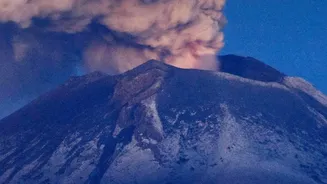
On June 3, 2018, Guatemala's "Volcano of Fire" produced its deadliest eruption in nearly a century. The event was tragically swift, giving residents little time to react. A powerful explosion sent superheated pyroclastic flows, a mixture of hot ash, lava blocks, and volcanic gas, racing down ravines and canyons on the volcano's flanks. These flows buried the village of San Miguel Los Lotes, entombing residents in their homes under metres of hot debris. The official death toll was confirmed to be around 200, but hundreds more were declared missing and presumed dead, with local organisations believing the actual number of casualties to be significantly higher. The disaster highlighted the extreme vulnerability of communities settled in the natural drainage paths of active, unpredictable volcanoes.
Mount Nyiragongo, DR Congo (2002)
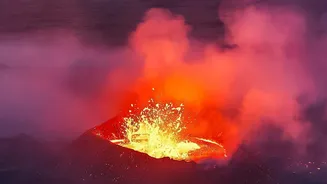
Located in the Democratic Republic of Congo, Mount Nyiragongo is notorious for its extremely fluid and fast-moving lava. In January 2002, fissures opened on its southern flank, unleashing torrents of molten rock that flowed directly into the city of Goma, which lies just 20 kilometres away. The lava destroyed an estimated 15% of the city, including homes, businesses, and parts of the international airport, leaving around 120,000 people homeless. While the lava flows themselves were devastating, a significant number of the approximately 245 fatalities were caused by asphyxiation from carbon dioxide gas ('mazuku'), which is heavier than air and can collect in low-lying areas. Other deaths resulted from the collapse of buildings due to the lava and associated earthquakes.
Mount Ontake, Japan (2014)
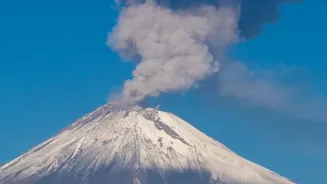
The eruption of Mount Ontake on September 27, 2014, was a different kind of tragedy, highlighting a hazard that is particularly difficult to predict. It was a phreatic, or steam-blast, eruption, which occurs when magma heats ground or surface water. These eruptions can happen with little to no warning. On a clear autumn Saturday, the popular hiking destination was crowded with people enjoying the scenery. Without warning, the volcano ejected a massive cloud of hot ash, rocks, and toxic gas. The hikers near the summit had nowhere to run. A total of 63 people were killed, making it Japan's deadliest volcanic disaster since 1926. The event was a shocking reminder that even seemingly dormant volcanoes can pose a lethal threat, especially to those who visit them for recreation.