



The Power of Papaya
Before we get to the prep work, it’s worth remembering why papaya is such a great choice for smoothies. This tropical fruit is a nutritional powerhouse. It is packed with high levels of antioxidants, including Vitamin C, which can support immune function
and heart health. Papaya is also famous for containing an enzyme called papain, which aids in digestion by helping to break down proteins. Furthermore, it is a good source of Vitamin A, potassium, and fibre, making it a well-rounded addition to a healthy diet.
How to Pick the Perfect Papaya
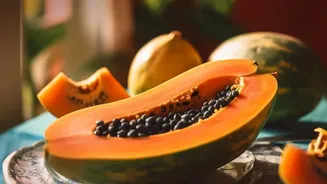
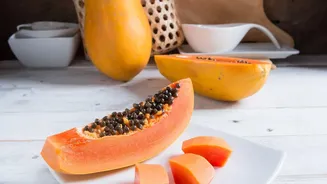
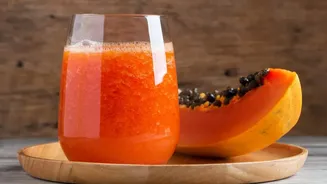
The foundation of a great smoothie is a perfectly ripe fruit. For papayas, look for skin that is turning from green to a golden yellow or orange-gold. It should yield slightly to gentle pressure, similar to a ripe avocado, but shouldn't be overly soft or mushy. A ripe papaya will also often have a subtly sweet and fruity aroma near the stem end. Avoid fruits with significant blemishes, dark spots, or mould, as these can be signs that the fruit is past its prime.
Why 'Clean Fruit' Is Non-Negotiable
This is arguably the most important step. Even if you plan to peel the papaya, washing the outside thoroughly is crucial. The skin can carry bacteria and pesticide residues that can be transferred to the flesh by your hands or knife. To clean it, simply rinse the whole fruit under cool, running water. For produce with a thick rind like papaya, you can use a clean produce brush to gently scrub the surface to remove any stubborn dirt or contaminants. Pat it dry with a clean towel before you begin cutting. Studies have shown that washing can significantly reduce pesticide levels on the surface of papayas, making this simple step a vital part of healthy food preparation.
The Problem with 'Healthy' Sugar
Many people think they're making a healthy choice by adding a large spoonful of honey or a generous drizzle of maple syrup to their smoothies. While these are more natural than refined white sugar, they are still 'free sugars'. These can cause a rapid spike in your blood sugar, and a large amount can quickly add up, contributing to your daily sugar limit. A single tablespoon of honey, for example, contains about 17 grams of sugar. Given that health authorities recommend women limit added sugar to around 25 grams per day, you can see how quickly a 'healthy' smoothie can turn into a sugar bomb.
Smarter Sweetening Strategies
The best approach is to let the natural sweetness of the ripe papaya shine. Often, if you've chosen a good fruit, you won't need any extra sweetener at all. If you do crave more sweetness, consider adding another naturally sweet fruit, like half a ripe banana or a few pitted dates, which also contribute fibre and nutrients. If you must use a liquid sweetener, start with a very small amount—a single teaspoon—and taste before adding more. Zero-calorie natural sweeteners like monk fruit or stevia are also an option if you want sweetness without the sugar load. The goal is to enhance the fruit's flavour, not to mask it with overpowering sweetness.