



The Link Between Clutter and Cleaning Time
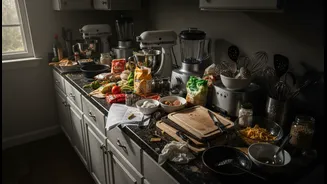
A cluttered home is inherently more difficult and time-consuming to clean. Every object sitting on a surface—a stack of old magazines, decorative items you no longer love, or appliances you rarely use—is an obstacle. Before you can even wipe down a table
or vacuum a floor, you first have to move everything out of the way, and then put it all back. This adds dozens of extra steps to what should be a simple task. Research and anecdotal evidence consistently show that a disorganized environment can increase stress and anxiety. Visual clutter competes for our attention, making it harder to focus and creating a low-grade sense of chaos. By reducing the number of items on display, you not only cut down on cleaning time but also create a more calming and mentally restful home.
How to Identify Your Unused Items
Deciding what to put away can be the hardest part. A simple rule of thumb is the one-year test: if you haven't used an item in the last 12 months, it's a strong candidate for storage. This applies to everything from kitchen gadgets and extra crockery to clothes and books. Seasonal items are another obvious category. Heavy blankets, winter coats, and festival decorations don't need to take up prime space in your cupboards year-round. Pack them away neatly at the end of the season. Finally, there are sentimental items. These are important but don't all need to be on display. Keep a few cherished pieces out and place the rest in a well-labelled memory box. This protects them and frees up shelf space, allowing your favorite items to truly shine.
The Strategic Power of Closed Storage
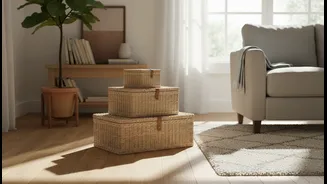
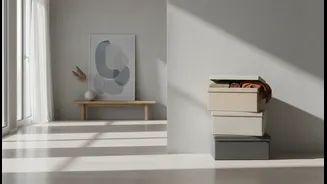
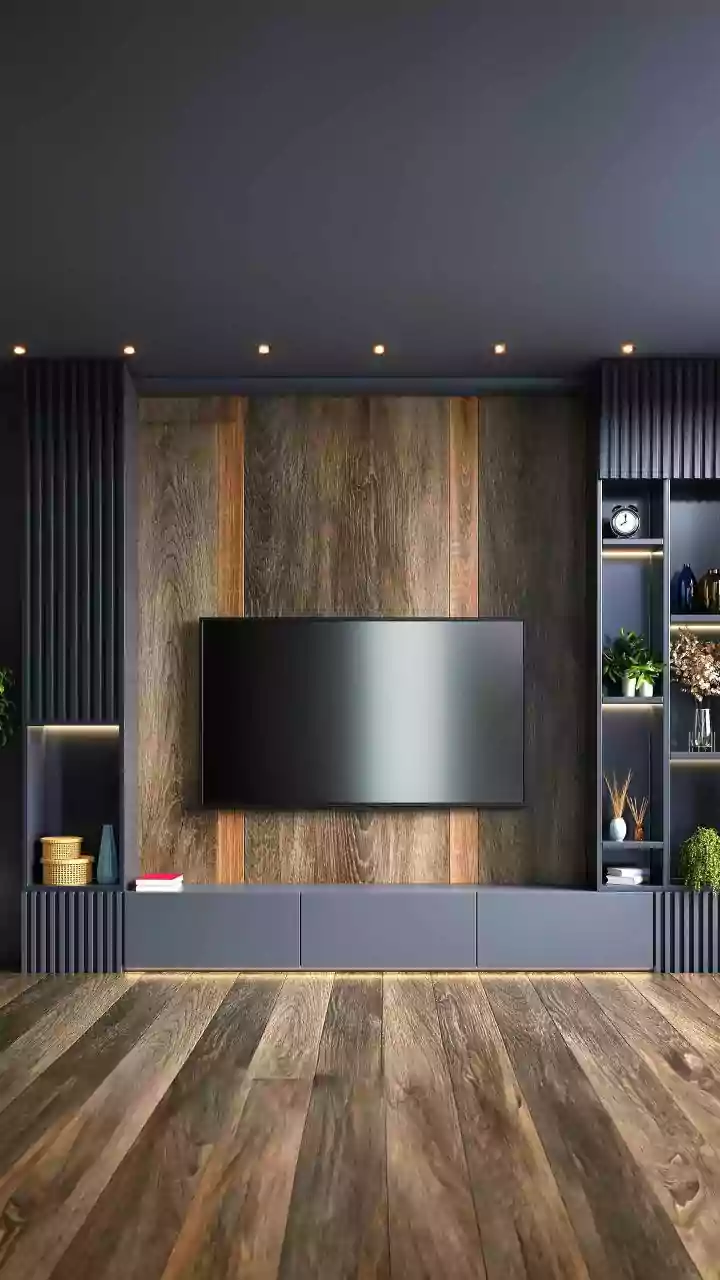
There's a key difference between open shelves and closed storage. Open shelves are great for displaying beautiful, frequently used items, but they can quickly look messy and require constant dusting. Closed storage—like cupboards with doors, chests, under-bed drawers, and ottomans with hidden compartments—is your secret weapon for a tidy home. It conceals the clutter, creating clean lines and a powerful sense of visual calm. Items are protected from dust, which means less cleaning for you. Furthermore, the finite space inside a cupboard forces you to be more intentional about what you keep. It’s a natural barrier against accumulating more than you need.
A Simple System for Storing and Sorting
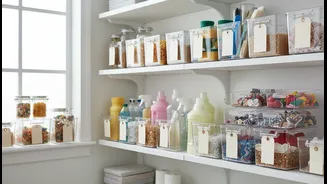
To tackle the process without feeling overwhelmed, adopt the popular four-box method. As you go through a room, sort every item into one of four categories: Keep, Store, Donate/Sell, or Trash. The 'Keep' items are things you use regularly. The 'Store' items are the unused and seasonal belongings destined for closed storage. The other two boxes help you permanently declutter things you no longer need. When packing items for storage, use clear, stackable bins so you can see what’s inside at a glance. Label everything clearly. This small effort upfront will save you hours of searching later when you need to retrieve that one specific item.
Maintaining Your Newly Organized Space
Decluttering isn't a one-time event; it's a habit. Once you’ve moved items into storage, the goal is to keep your surfaces clear. Get into the routine of putting things away immediately after using them. To prevent your storage areas from becoming black holes of forgotten junk, schedule a quick review once or twice a year. Go through your stored boxes and be honest about what you truly need. You might find that some items you stored a year ago can now be donated. Adopting a 'one in, one out' rule can also be effective: for every new non-essential item you bring into your home, an old one must go. This ensures you maintain a healthy equilibrium and that clutter doesn't creep back in.