

What Exactly is Rooibos?
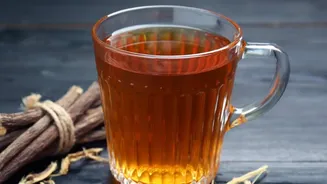
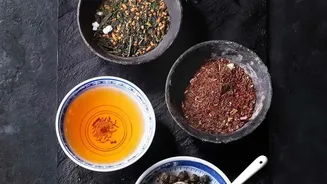
First things first: rooibos isn't technically a tea. While it's brewed and enjoyed like one, it doesn't come from the Camellia sinensis plant that produces black and green tea. Instead, rooibos (pronounced 'roy-boss') is an herbal infusion made from the needle-like
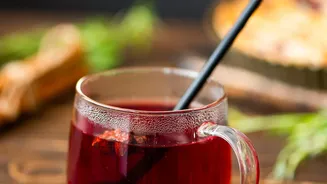
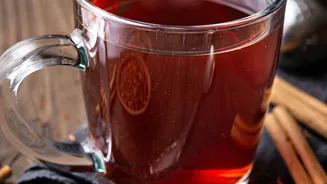
leaves of the Aspalathus linearis shrub. This plant is unique to a small, mountainous region of South Africa's Western Cape called the Cederberg. The name 'rooibos' is Afrikaans for 'red bush', a nod to the rich, reddish-brown colour the leaves develop during a fermentation process that enhances their flavour and aroma. This process gives the final drink a naturally sweet, nutty, and smooth taste without the bitterness sometimes found in traditional teas.
The Caffeine-Free Advantage
One of the biggest draws of rooibos is that it is naturally 100% caffeine-free. Unlike 'decaffeinated' black or green teas, which undergo processing to remove caffeine and may retain trace amounts, the rooibos plant simply does not produce it. This makes it an ideal beverage for any time of day, especially for those looking to wind down in the evening without disrupting their sleep. For individuals sensitive to caffeine or those managing anxiety, high blood pressure, or simply aiming to reduce their stimulant intake, rooibos offers a satisfying, flavourful alternative to coffee and traditional tea.
A Powerhouse of Unique Antioxidants
Rooibos is celebrated for its rich antioxidant content, which helps the body combat oxidative stress from free radicals. It contains several potent polyphenols, including aspalathin—an antioxidant that is, to current knowledge, found only in the rooibos plant. It also contains other powerful flavonoids like quercetin. While research is ongoing, these antioxidants are believed to contribute to many of the plant's health-promoting properties. Studies suggest these compounds may have anti-inflammatory effects and can help protect cells from damage. The unfermented 'green' rooibos, which is less common, has an even higher concentration of these antioxidants.
Potential for Heart and Metabolic Health
The antioxidants in rooibos may also play a role in supporting cardiovascular health. Some human studies have suggested that regular consumption of rooibos can positively influence lipid profiles and overall antioxidant status in the body. There is evidence linking it to improvements in blood pressure and cholesterol levels, which are key factors in reducing the risk of heart disease. Furthermore, the antioxidant aspalathin has been studied for its potential to help balance blood sugar levels and reduce inflammation associated with high blood sugar, making it a beverage of interest for those managing or at risk for type 2 diabetes.
Beyond the Cup: Other Reported Benefits
The appeal of rooibos extends to other areas of wellness. It's low in tannins, which are natural compounds that can sometimes interfere with the absorption of nutrients like iron. Its mineral content, including calcium, manganese, and fluoride, may contribute to maintaining healthy bones and teeth. The soothing, anti-inflammatory properties have also made it a popular ingredient in skincare products aimed at calming conditions like eczema and acne, though clinical evidence for this is still developing. Its reputation as a calming beverage that supports good sleep makes it a staple in many evening routines.
A Fast-Growing Global Staple
What was once a local South African drink is now a global phenomenon. The global rooibos tea market was valued at over a billion dollars in recent years and is projected to continue growing steadily. This growth is driven by increasing consumer health consciousness and the rising demand for caffeine-free and functional beverages. From North America to Europe and a rapidly expanding market in Asia, rooibos is no longer a niche product but a mainstream offering in supermarkets, specialty tea shops, and online stores. It is enjoyed simply brewed with hot water, served with milk and sugar, or used as a base for iced teas, lattes, and even cocktails.