





What is an Eco-Sensitive Zone?
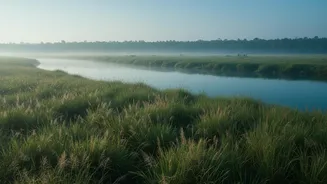
An Eco-Sensitive Zone, or ESZ, is essentially a buffer area around a protected national park or wildlife sanctuary. The idea is to create a 'shock absorber' to regulate human activities and lessen the impact of development on a fragile ecosystem. These
zones are not meant to halt all activity but to manage it, prohibiting highly polluting industries like mining while regulating things like construction and resort development. The goal is to create a transition from a highly protected core area to areas of human settlement, ultimately reducing human-wildlife conflict and protecting the integrity of the park itself.
The 10-km vs. 1-km Debate
Currently, Kaziranga operates under a 'default' 10-kilometre ESZ. This is an interim measure applied because a final, site-specific ESZ has not been formally notified by the central government based on a state proposal. The Assam government has recently announced plans to approach the Centre with a formal proposal to define the ESZ, suggesting a width of 1 kilometre. Chief Minister Himanta Biswa Sarma has argued that a permanent 10-km buffer is unfeasible, as it would halt development and affect the livelihoods of thousands in established towns like Bokakhat, Kaliabar, and Jakhalabandha. The government's stance is that a scientifically defined 1-km zone aligns with a 2022 Supreme Court directive that mandated a minimum 1-km ESZ around protected areas, while allowing for flexibility.
Why Conservationists Are Worried
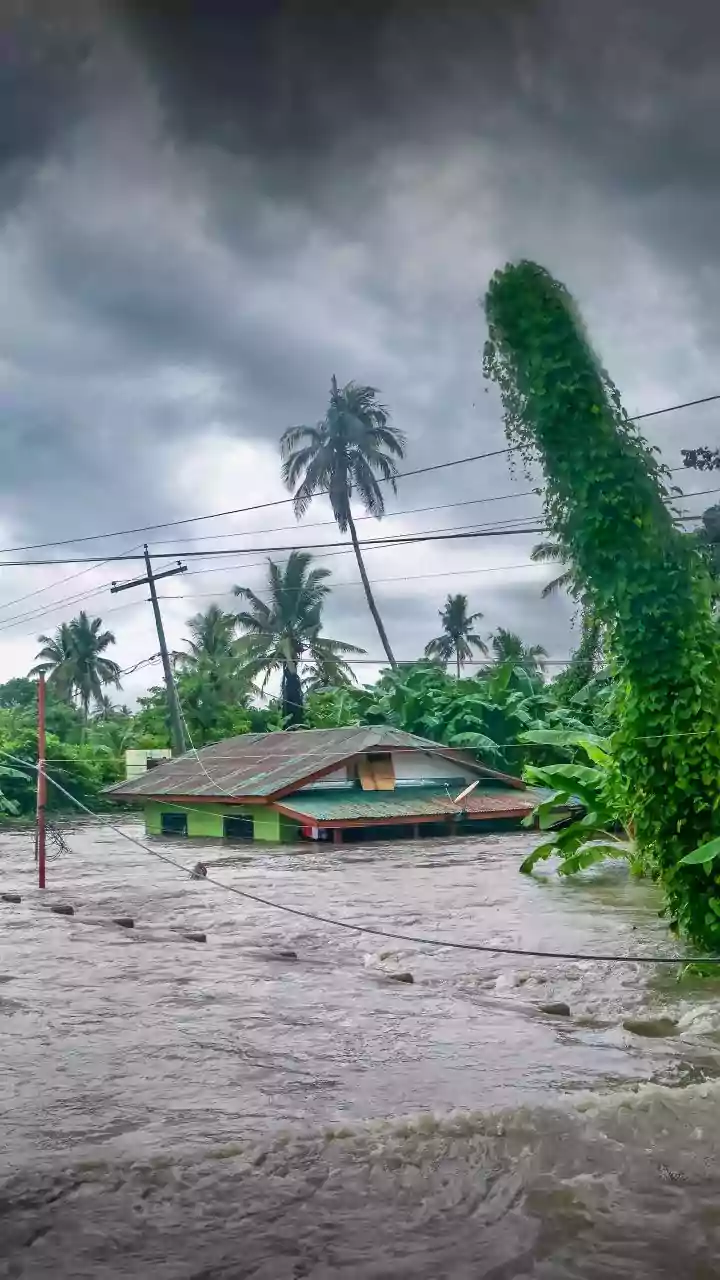
Environmentalists and conservation groups argue that shrinking the buffer zone from the default 10 km to just 1 km could be disastrous for Kaziranga's wildlife. The park is not an isolated island; its animals, including rhinos and elephants, depend on a much larger landscape. During the annual monsoon floods, animals move from the floodplains to the higher ground of the nearby Karbi Anglong hills for safety. Conservationists fear that a smaller ESZ would open the door to increased construction, mining, and other commercial activities that could fragment these vital wildlife corridors, block animal movement, and increase human-animal conflict. The National Tiger Conservation Authority (NTCA) has previously warned that stone quarrying and crushing units in the Kaziranga-Karbi Anglong landscape are destroying these critical habitats and should be stopped immediately.
The Development Dilemma
The state government’s push for a smaller ESZ is driven by a desire to unlock development projects. Officials have pointed to stalled infrastructure, such as a modern stadium in Bokakhat, as projects held back by the current 10-km default restriction. The Chief Minister has stated that the move is intended to strike a balance between conservation and development, providing clarity for where infrastructure can be built without harming wildlife. However, critics allege that this push could also benefit commercial interests, including proposals for luxury hotels and resorts within the currently protected buffer area. Concerns have been raised by activists that a reduced ESZ would legitimize existing industrial units and encourage a rush of new ones, placing the park's ecosystem under immense pressure.
What Happens Next?
The Assam government plans to submit its formal proposal to the central government's Ministry of Environment, Forest and Climate Change (MoEFCC) within the next two months. Until a final notification is issued by the Centre, the default 10-km ESZ remains legally operative, a point confirmed by the Gauhati High Court as recently as March 2026. The final decision rests with the central government, which will have to weigh the state's development arguments against the ecological imperatives of protecting one of the world's most important wildlife landscapes. The outcome will determine how conservation and development coexist around Kaziranga for decades to come.