



The Rumour Mill Heats Up
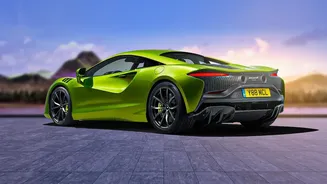
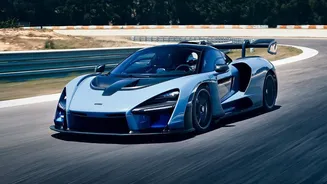
Recent reports and forum discussions have hinted that McLaren is developing an ultra-exclusive, limited-edition supercar, internally codenamed the P50. If true, this would be the British manufacturer's first road car with a three-pedal manual option since
the legendary McLaren F1 from the 1990s. This news comes as other high-end brands like Ferrari and Koenigsegg have been reintroducing manual-style experiences, signalling a renewed interest in driver involvement at the highest end of the market. The speculation, potentially pointing to a debut at Monterey Car Week, immediately raised a crucial question that cuts to the core of modern performance: will it be a truly mechanical gearbox, or a clever simulation?
The Soul of the Machine: A True Manual
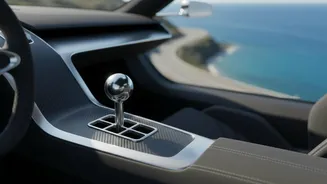
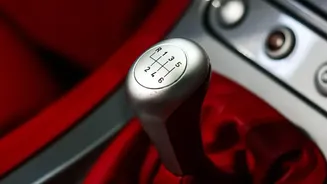
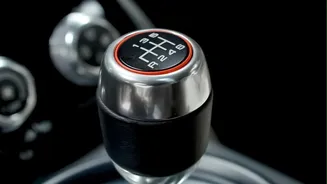
For driving purists, a true manual transmission is non-negotiable. It represents a direct, mechanical connection between the driver and the car. This system uses a foot-operated clutch pedal and an H-pattern gear lever to physically engage and disengage different sets of gears within the transmission. Mastering this coordination of hand and foot provides a unique sense of control and satisfaction. Drivers have complete authority over gear selection, allowing them to manage the engine's power and torque precisely. This unfiltered engagement is often described as a partnership with the machine, turning a simple drive into a rewarding, skill-based experience. Proponents argue it’s not just about performance, but about the tactile feedback and deep involvement that modern automatic transmissions, no matter how fast, simply cannot replicate.
The Digital Illusion: Simulated Shifters Explained
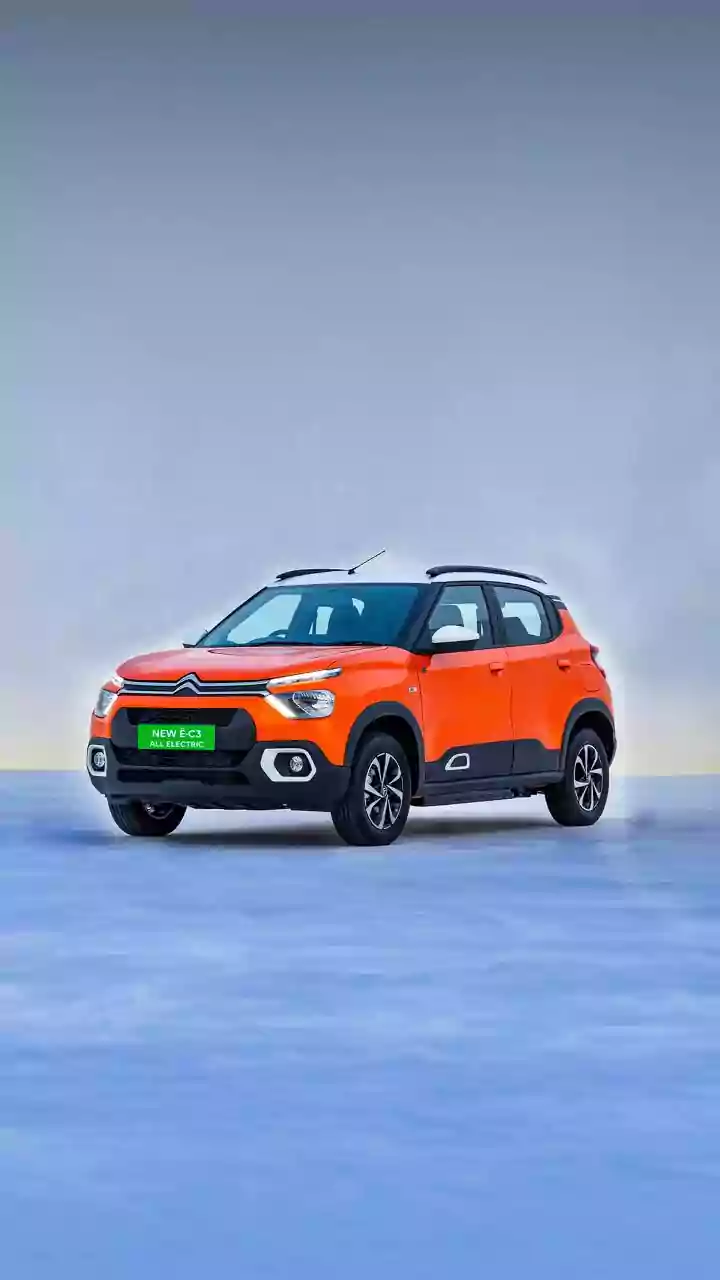
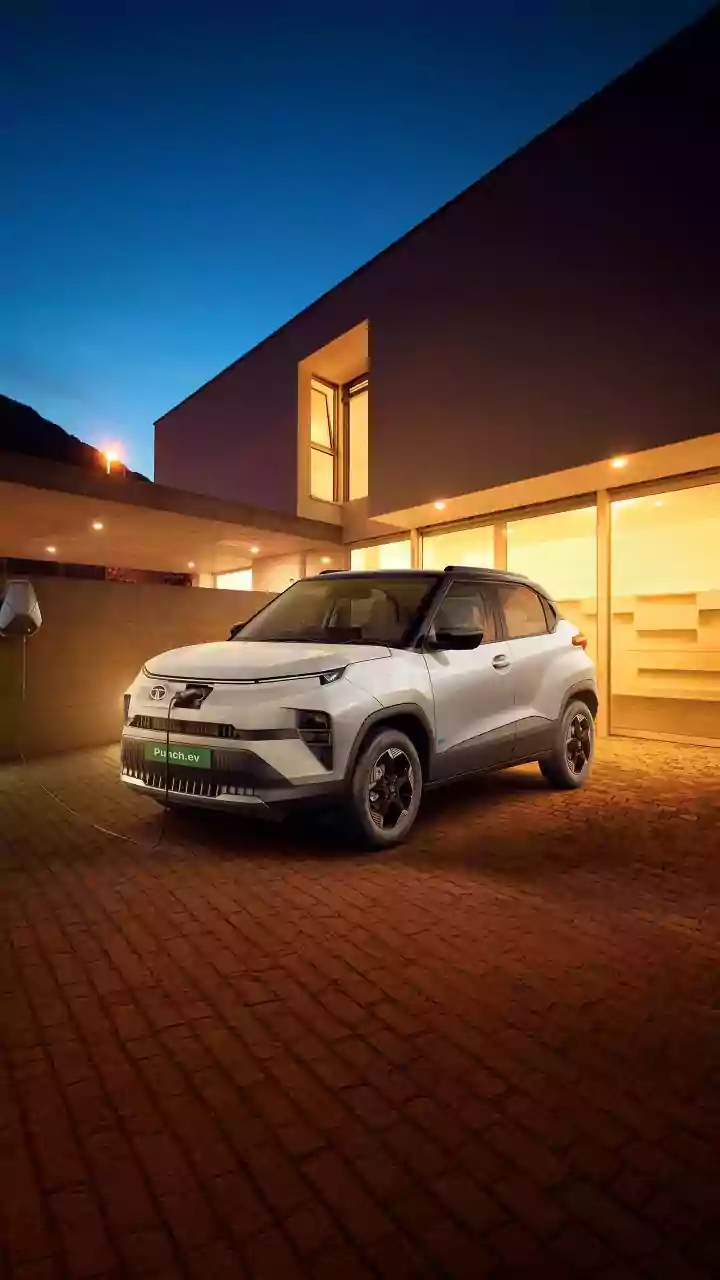
Simulated shifters are a new breed of technology designed to bring the sensation of manual shifting to cars that don't have a traditional gearbox, particularly electric vehicles (EVs). Companies like Hyundai and Lexus are pioneering these systems. Hyundai's 'N e-Shift' uses software to control motor torque, mimicking the jolt of a gear change in a combustion-engine car. It’s paired with 'N Active Sound+' to provide an auditory experience to match. Lexus has developed a similar 'Interactive Manual Drive' for its electric RZ model, which uses a virtual program to adjust motor torque based on the driver's selection of virtual gears via paddle shifters. Some systems, like a recent patent from Toyota, even go so far as to simulate stalling the engine if you get it wrong. These are entirely software-driven illusions, using haptic feedback, synthesised sounds, and clever torque management to replicate an experience that isn't mechanically there.
Feel vs. Function: The Great Debate
The debate boils down to authenticity versus accessibility. A true manual offers an unmatched, pure connection, but it's a technology that is becoming increasingly rare due to the rise of quicker, more efficient dual-clutch and automatic transmissions. They are also a barrier for drivers who have never learned to use a clutch. Simulated shifters, on the other hand, offer a compromise. They reintroduce a layer of driver engagement into EVs, which typically use a simple single-speed transmission. They can be programmed to feel like different cars, can be turned off for relaxed cruising, and make the 'manual' experience accessible to anyone. However, for traditionalists, the knowledge that it's all an elaborate simulation—a digital ghost in the machine—can feel artificial. The 'jolts' are programmed, the 'engine notes' are from speakers, and there is no physical risk of grinding a gear. It is an imitation of control, not control itself.
Why the P50's Choice Matters
The decision McLaren makes for the P50, should the rumour prove true, will be a significant statement. Choosing a true mechanical manual would be a nod to heritage and the purist driving experience, aligning with the ethos of cars like Gordon Murray Automotive's T.50, the spiritual successor to the McLaren F1. Opting for a simulated system would signal an embrace of the future, suggesting that technology can preserve the spirit of driving even as the underlying mechanics evolve. It would be an admission that for a new generation of supercars and drivers, a convincing simulation might be enough. This single choice encapsulates the crossroads at which the performance car industry finds itself: hold on to the mechanical past or engineer a digital-but-engaging future.