





A Global Birding Hotspot
Assam’s unique position at the convergence of different biomes creates an incredible diversity of habitats, from tropical forests and riverine grasslands to sprawling wetlands. This ecological richness supports nearly 935 species of birds, making it one
of Asia's most rewarding birding destinations. The Brahmaputra River and its tributaries are the lifeblood of this ecosystem, replenishing the 'beels' (lakes) and grasslands that host a spectacular variety of both resident and migratory birds. The state is a crucial habitat for globally threatened and endemic species, including Assam's state bird, the elusive White-winged Duck.
Kaziranga National Park: Beyond the Rhino
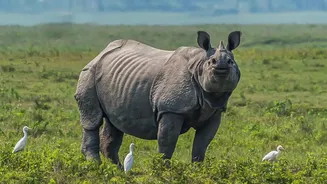
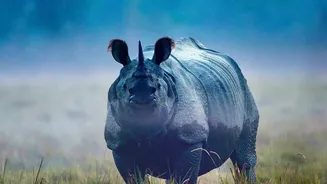
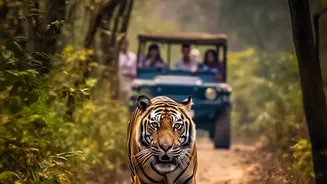
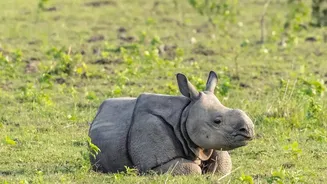
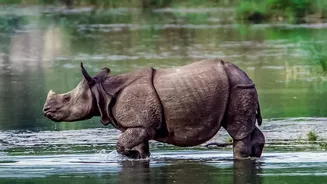
While world-famous for its rhinos, Kaziranga National Park is also an avifauna paradise and an Important Bird Area (IBA) with over 500 recorded species. Its vast wetlands and grasslands are a stronghold for the critically endangered Bengal Florican, Swamp Francolin, and various species of eagles and storks. During winter, the park's water bodies teem with migratory waterfowl like Bar-headed Geese and numerous pochard species. For prime sightings, head to the Agaratoli (Eastern) Range, which is especially renowned for its water birds, including pelicans and the Greater Adjutant Stork. Jeep and even elephant safaris offer unique vantage points for spotting these feathered inhabitants.
Manas National Park: A UNESCO Treasure
Nestled in the Himalayan foothills and sharing a seamless border with Bhutan's Royal Manas National Park, this UNESCO World Heritage Site is a haven for birders. Manas is home to over 450 bird species, including the highest population of the endangered Bengal Florican. Its diverse landscape of grasslands and forests is the perfect place to spot hornbills, the Indian Peafowl, and the Black-breasted Parrotbill. The Bansbari and Bhuyanpara ranges are particularly rewarding, with the latter being the best place for a chance to see the Bengal Florican during its elaborate courtship displays. Riverine trails along the Manas River also offer excellent opportunities to find water birds.
Dibru-Saikhowa: A Riverine Wilderness
Formed by the floodplains of the Brahmaputra and Lohit rivers, Dibru-Saikhowa National Park is a unique mosaic of semi-evergreen forests, swamps, and grasslands. This vibrant wilderness is home to over 400 bird species. It is particularly famous for grassland specialists like the Jerdon's Babbler and Marsh Babbler, and is one of the key habitats for the rare White-winged Wood Duck and Baer's Pochard. The adjoining Maguri-Motapung Beel is a critical wetland where boat safaris provide incredible access to both resident and migratory waterfowl. The park's remote feel and rich biodiversity make it a must-visit for serious birders.
Nameri National Park: Birds and Adventure
For those who like a dash of adventure with their birding, Nameri National Park is the perfect destination. Located at the foothills of the Eastern Himalayas, it is renowned for sightings of the White-winged Duck and four species of hornbills. What makes Nameri unique is its combination of forest walks and river rafting on the Jia Bhoroli River. Rafting offers a serene way to spot water birds like the Ibisbill, while walks through the dense forest, accompanied by an armed guard, can reveal forest dwellers like the Great Hornbill. With nearly 400 bird species, the park's dense canopy and riverine habitats offer a thrilling experience.
Planning Your Birding Trip
The best time for birdwatching in Assam is from November to April. During these winter and spring months, the weather is pleasant, and migratory birds from colder climates join the resident species, creating a flurry of activity. To make the most of your trip, consider hiring a knowledgeable local guide who can help identify species and navigate the best hotspots. Wear neutral-coloured clothing to blend in with the surroundings and don't forget your essentials: a good pair of binoculars, a field guide or birding app, and a healthy dose of patience. The quiet rustle of leaves or a distant call could signal the arrival of a rare and beautiful sighting.