






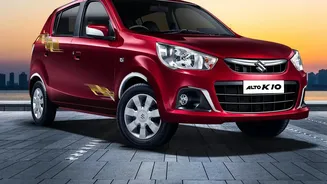
A New Driver in the Market
There’s a significant transformation happening on Indian roads, and it starts with who is sitting in the driver's seat. The share of first-time buyers in the passenger vehicle market has surged, climbing by roughly 10 percentage points in the current
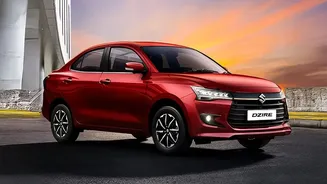
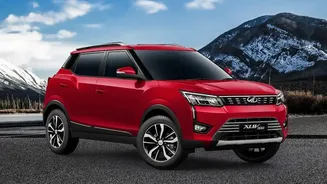
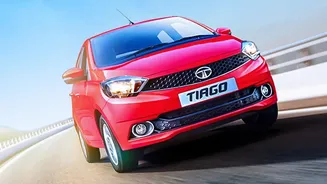
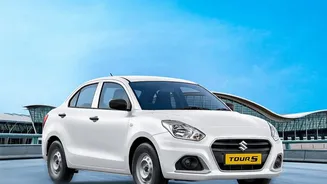
fiscal year. Data from Maruti Suzuki, the country's largest carmaker, provides a clear window into this trend. Between April and August 2026, first-time buyers accounted for 54% of its sales, a substantial jump from 42% during the same period last year. This isn't an isolated event; other major players like Tata Motors and Mahindra & Mahindra have also reported a notable rise in customers purchasing their very first car. This influx is not just boosting overall sales figures, which have hit record highs in 2026, but is also reviving the fortunes of the small car segment that had been losing ground to the SUV craze.
The Small Car Tax Advantage
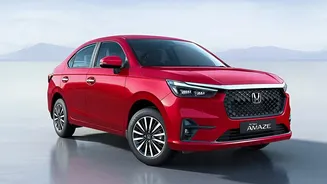
The single biggest catalyst for this change has been a significant tax overhaul. In September 2025, the government implemented what is often called 'GST 2.0' for automobiles, which simplified a complex tax structure. Previously, most cars were in a 28% GST slab with an additional cess. The new rules created a clear two-tier system. Qualifying 'small cars'—defined as being under 4 meters in length and having a petrol engine up to 1200cc or a diesel engine up to 1500cc—now attract a much lower GST rate of 18%. Larger cars and most SUVs were moved to a flat 40% GST slab. This tax reduction of over 10 percentage points on small cars directly translated into lower ex-showroom prices, making them significantly more accessible. For a first-time buyer on a tight budget, a price drop of tens of thousands of rupees is often the deciding factor that turns aspiration into a purchase.
Financing Fuels the First-Time Buyer
While lower taxes opened the door, easier and more accessible financing is helping buyers walk through it. The vehicle financing market in India is booming, with passenger vehicles dominating the sector. Lenders, including banks and NBFCs, have become more aggressive in offering auto loans with attractive interest rates, flexible repayment terms, and quicker approvals, even for entry-level customers. This has democratized car ownership, transforming a large, one-time expense into manageable monthly EMIs. The rise of organized platforms and digital lending has further simplified the process, increasing consumer confidence. This is especially crucial for young professionals and families in Tier 2 and Tier 3 cities, where much of the new demand originates. With favorable financing, many are finding that owning a car is now well within their financial reach.
Automakers Lean into the Trend
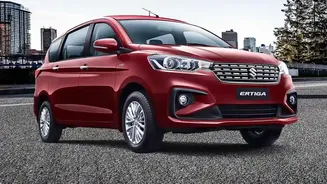
Car manufacturers have been quick to respond to this renewed interest in the entry-level segment. Maruti Suzuki, a long-time leader in small cars, has seen a dramatic 96% increase in sales for its mini segment models like the Alto and S-Presso between April and August 2026. The company's senior executive officer, Rahul Bharti, noted that the GST reduction "has enabled the return of first-time car buyers," giving fresh momentum to India's journey toward mass motorization. This revival isn't limited to just one brand. Models like the Tata Punch and Mahindra Bolero, which fall into the lower tax bracket, have also seen strong sales. While the craze for SUVs continues unabated at the higher end of the market, the robust performance of small cars shows that the passenger vehicle market is now growing at both ends—fulfilling the aspirational demand for larger vehicles and catering to the practical needs of a new generation of owners.