







The Foundation: Walls and Colours
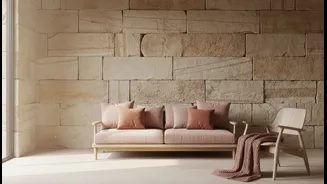
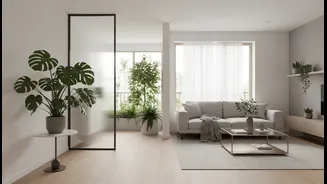
The key to this look is creating a warm and airy backdrop. Unlike stark white, which can feel cold, ivory or a soft cream provides a welcoming glow that enhances natural light. Use ivory on the majority of your walls to make spaces feel open and bright.
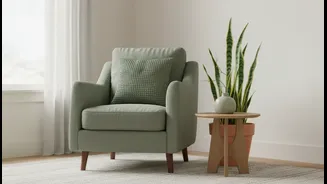
Sage green, a muted and earthy tone, can then be introduced as an accent. Consider a single sage-coloured feature wall in a living room or bedroom to add depth without overwhelming the space. This combination is inherently calming, bringing the tranquility of nature indoors and setting a peaceful mood. The balance is crucial; let ivory be the canvas and sage be the thoughtful, grounding brushstroke.
Furniture That Feels Grounded
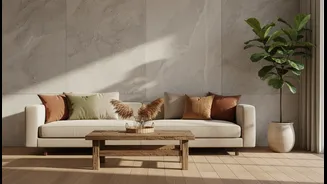
Since this style leans heavily on nature, your furniture choices should reflect that. Materials like wood, rattan, and wicker are essential. Opt for pieces in light or medium wood tones, such as oak, ash, or maple, which prevent the room from feeling too minimal while maintaining a bright feel. A rustic wood coffee table, a woven rattan armchair, or a simple wooden dining set can serve as beautiful focal points. When it comes to upholstered items like sofas, an ivory or cream fabric provides a timeless base that you can build upon. If you want to be bolder, a sage green velvet or linen sofa can make a luxurious statement, pairing beautifully with the neutral surroundings.
Layering with Natural Textiles
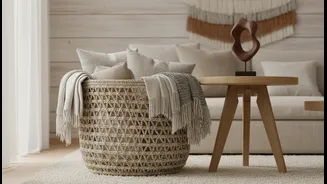
Texture is what transforms this colour palette from simple to sophisticated. Layering different natural fabrics adds warmth, comfort, and visual interest. Think of materials that are soft to the touch and have a visible weave. Linen curtains in a creamy off-white can diffuse sunlight beautifully, while a wool or jute rug in a neutral tone can ground the space. Scatter throw pillows in sage green, ivory, and perhaps a complementary taupe across your sofa and chairs. Don't be afraid to mix textures—a chunky knit blanket, smooth cotton cushions, and a rustic linen throw can coexist harmoniously to create a cozy, lived-in feel.
Accessorising with Organic Elements
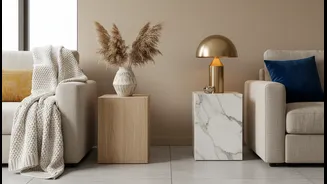
The final layer involves accessories that reinforce the connection to the natural world. This is where the principles of biophilic design—connecting our built environment with nature—truly come to life. The easiest way to do this is with plants. Indoor greenery not only complements the sage hue but also purifies the air and reduces stress. Vases filled with fresh eucalyptus or dried botanicals like pampas grass or olive branches add an effortless, sculptural element. Look for decor made from natural materials: think ceramic bowls, stone coasters, or wooden trays. Even small, curated vignettes on a console table—a stack of books, a candle, and a small plant—can reinforce the calm, collected feel of the room.
Set the Mood with Lighting
Lighting is crucial for enhancing the warm and serene atmosphere. Maximise natural light wherever possible by keeping window treatments light and airy. Large mirrors can also be strategically placed to reflect light and make a room feel larger and brighter. For artificial lighting, avoid harsh, cool-toned bulbs. Instead, opt for warm, diffused light that mimics the soft glow of late afternoon. Think of table lamps with fabric shades, dimmable overhead fixtures, and perhaps a floor lamp to create a cozy reading nook. The goal is to create pools of soft, ambient light that make the space feel inviting and restful throughout the day and into the evening.