








The Study's Core Finding
Researchers analysing data from the vast UK Biobank, which tracks the long-term health of thousands of participants, found a notable connection. A prospective cohort study involving over 133,000 people showed that those who consumed the most ultra-processed
foods had a significantly higher risk of developing atherosclerosis. Specifically, individuals in the highest consumption group had up to a 29% increased risk compared to those who ate the least. This suggests that a diet heavy in these foods could contribute to the underlying pathology of many cardiovascular diseases.
What Is Atherosclerosis?
Often called "hardening of the arteries," atherosclerosis is a condition where plaque builds up inside your arteries. This plaque is made of fat, cholesterol, calcium, and other substances found in the blood. Over time, this buildup can cause arteries to narrow and stiffen, which restricts the flow of oxygen-rich blood to your heart and other parts of the body. It's a slow, progressive disease that is the root cause of many serious health problems, including heart attacks and strokes.
Defining Ultra-Processed Foods
To understand the study, we need to know what counts as a UPF. The most widely used definition comes from the NOVA classification system. It defines UPFs as industrial formulations made mostly or entirely from substances extracted from foods or derived from food constituents. These products typically contain five or more ingredients, including additives like colours, flavours, and non-sugar sweeteners, designed to make them highly palatable and convenient. Think of packaged snacks, sugary drinks, instant noodles, mass-produced breads, and ready-to-heat meals.
The Bigger Picture: Quality Matters Most
Here's where the nuance in the headline becomes critical. While studies show a correlation between high UPF intake and poor health outcomes, many experts argue that the processing level itself isn't the only villain. The overall nutritional quality of a person's diet appears to be a much stronger predictor of long-term health. A recent Harvard study found that healthy diets lowered disease risks, while unhealthy diets raised them, regardless of the food's processing level. This means what you're eating in total—the pattern of your diet—is more important than whether an individual item is processed.
Not All UPFs Are Created Equal
The category of "ultra-processed" is incredibly broad and can include both nutrient-poor and nutrient-dense options. For example, a sugary soda and a whole-grain, fortified breakfast cereal might both be classified as UPFs. However, their nutritional contributions are vastly different. An otherwise healthy diet that includes some fortified cereals, canned beans, or plant-based milks is not the same as a diet dominated by chips, sweets, and processed meats. Focusing solely on avoiding the "UPF" label could lead people to unnecessarily cut out convenient and affordable foods that can still be part of a healthy eating pattern.
Focus on Building a Healthy Pattern
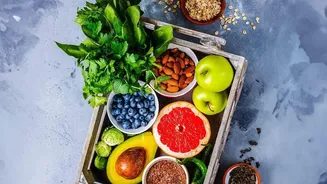
Instead of fixating on a single label, a more effective approach is to focus on building a healthier overall dietary pattern. Strong and consistent evidence shows that diets rich in vegetables, fruits, whole grains, nuts, and legumes are associated with a decreased risk of cardiovascular disease. The goal isn't to achieve perfection or ban all processed foods, but to shift the balance. Prioritise whole and minimally processed foods as the foundation of your meals. Read nutrition labels to be mindful of added sugar, sodium, and saturated fat. Small, consistent shifts toward higher-quality foods can make a big difference for your heart health in the long run.