





In bustling Indian cities where every square foot is precious, creating a green sanctuary can feel like a distant dream. But what if you could grow up instead of out? Vertical gardens offer a brilliant solution to this modern-day challenge.
Embracing the Third Dimension
A vertical
garden is essentially a method of growing plants on a vertically suspended panel or structure. Instead of spreading out across the ground, plants grow upwards on walls, fences, or specially designed frames. This technique transforms unused vertical surfaces into vibrant, living walls, making it an ideal gardening solution for apartment balconies, small patios, and even indoor spaces. The core idea is simple but revolutionary for urban dwellers: it allows you to cultivate a significant number of plants within a very small footprint, proving that you don't need a sprawling lawn to enjoy the pleasures of gardening.
More Than Just Space Savers
While the space-saving benefit is immense, the advantages of vertical gardens extend far beyond that. They act as natural air purifiers, filtering pollutants like volatile organic compounds (VOCs) and releasing fresh oxygen, which is a significant plus in urban areas. Studies show that living walls can reduce stress and enhance overall well-being. Furthermore, they can provide natural insulation, helping to regulate temperature by absorbing less heat during the day, which can subtly reduce energy costs. They also serve as effective sound barriers, dampening ambient noise from the city bustle.
Choosing Your Vertical System
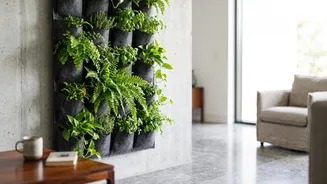
Getting started is more accessible than you might think, with a variety of systems available to suit different needs and budgets. Wall-mounted pocket planters, made from fabric, are a popular and affordable choice. Modular panels allow for more extensive, integrated living walls. Freestanding towers and tiered planters are great for balconies and can be moved around. For those who want a more hands-off approach, hydroponic systems circulate water and nutrients automatically, though they require a higher initial investment. You can even create a DIY setup using recycled materials like plastic bottles or wooden pallets for a truly budget-friendly start.
What to Plant in Your Vertical Oasis
The choice of plants is crucial for a thriving vertical garden. For sunny balconies in India, sun-loving plants like Portulaca and Bougainvillea are excellent choices. Many herbs, such as mint, basil, and coriander, do wonderfully in vertical setups and provide fresh ingredients for your kitchen. Leafy greens like lettuce and spinach are also well-suited. For indoor or shaded spaces, consider ferns, Pothos (Money Plant), Spider Plants, and Peace Lilies. When planting, it's a good rule of thumb to place drought-tolerant plants at the top and those that require more moisture at the bottom, as water will naturally trickle down.
Simple Steps to Get Started
Ready to begin? First, assess your chosen location, paying close attention to the amount of sunlight it receives. South-facing walls generally get the most sun. Next, select a structure that fits your space and budget. Use a lightweight, high-quality potting mix to avoid putting too much strain on your wall and structure, and ensure your containers have good drainage holes. Regular watering is key, as vertical gardens can dry out faster than traditional ones. A drip irrigation system can automate this, but manual watering works just as well for smaller setups. Start small with a few easy-to-care-for plants to build your confidence.