



First, Understand Your Stress
Before picking a solution, it helps to know what you are trying to solve. Is your stress a constant mental chatter that keeps you up at night? Or does it manifest as restless energy and a clenched jaw? Perhaps it feels more like emotional exhaustion or a sense
of disconnection. Mental stress might point you toward quiet, focused practices, while physical tension may call for movement. Understanding the nature of your stress is the first step toward finding an effective and sustainable routine. There is no one-size-fits-all answer, so a little self-assessment goes a long way.
For a Busy Mind: Stillness and Focus
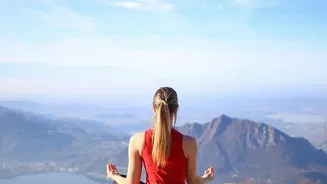
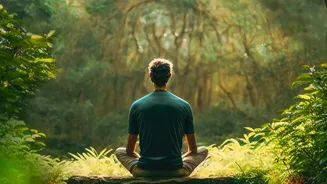
If your stress comes from relentless worry or information overload, practices that cultivate stillness can be transformative. Mindful meditation is a powerful tool for training your brain to focus on the present moment rather than future anxieties or past regrets. Research shows that regular meditation can reduce symptoms of anxiety and depression, lower blood pressure, and improve focus. It helps you observe your thoughts without judgment, breaking the cycle of rumination that often fuels stress. If formal meditation seems daunting, simple deep-breathing exercises for a few minutes a day can provide a sense of calm and mental clarity.
For Restless Energy: Movement and Nature
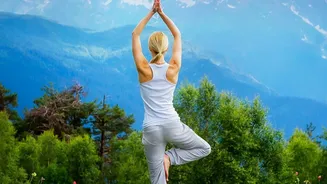
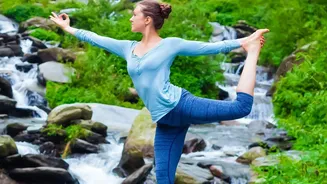
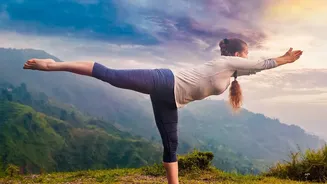
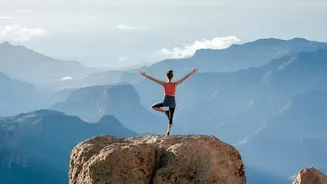
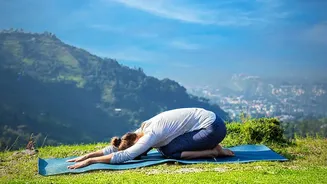
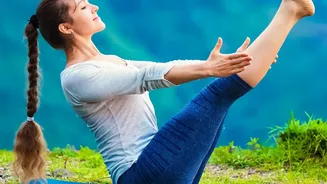
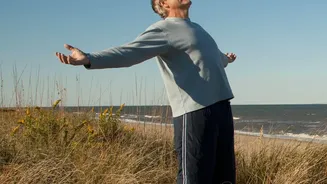
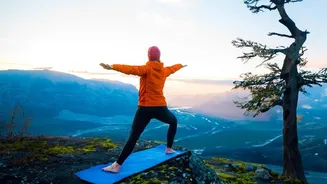
Sometimes, stress feels like a current of nervous energy running through your body. In these cases, movement is medicine. Activities like hiking, running, dancing, or practicing yoga can help release pent-up tension. Combining movement with nature offers a double benefit. Spending time outdoors has been shown to lower cortisol (the stress hormone), reduce anxiety, and improve your mood. Studies suggest that as little as 120 minutes a week in nature can significantly improve health and well-being. A brisk walk in a park, a jog on a trail, or even some simple stretches in your backyard can help ground you and calm your nervous system.
For an Exhausted Soul: Creativity and Flow
When stress leaves you feeling drained or uninspired, creative pursuits can be a powerful antidote. Activities like painting, drawing, playing a musical instrument, writing, or gardening allow you to enter a state of “flow,” where you are fully immersed in an activity. This state of deep engagement is a form of active mindfulness that quiets the anxious parts of your brain. It is not about producing a masterpiece; it is about the process. The goal is to engage in something you enjoy, which helps replenish your mental and emotional reserves, offering a much-needed escape from daily pressures.
For a Feeling of Disconnection: Social Bonds
Humans are social creatures, and isolation can be a significant source of stress. Sometimes, the most effective relief comes from connection. Sharing your feelings with a trusted friend or family member can provide immense emotional support and help you feel understood. Research confirms that people with strong social support networks are more resilient in the face of stress. This doesn't have to be a deep conversation; simply spending positive, in-person time with people who care about you can boost your mood and release feel-good endorphins. Consider joining a club, volunteering, or simply scheduling regular catch-ups with loved ones.
Making Your Choice Stick
The best stress relief routine is the one you will consistently practice. When making your choice, be realistic. Consider your schedule, budget, and physical fitness. If you have only 10 minutes a day, a short meditation might be more sustainable than a 90-minute yoga class. If you are on a tight budget, walking in a local park is more accessible than a gym membership. Start small, be patient with yourself, and do not be afraid to experiment. You might find that a combination of activities works best—perhaps meditation on weekdays and a hike on the weekend. The key is to find what genuinely makes you feel better.