




The Magic of the Alpine Bloom
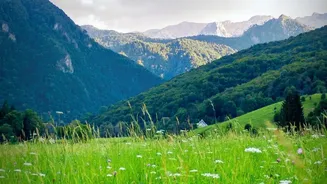
The Austrian Alps are home to a remarkable diversity of flora that has adapted to thrive in harsh, high-altitude conditions. For a few precious months each year, these resilient plants burst into a riot of colour, transforming mountain pastures into natural
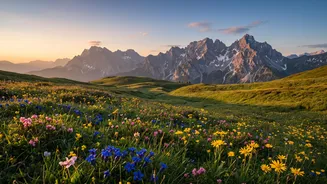
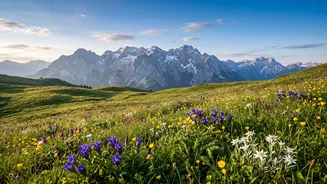
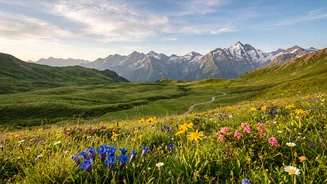
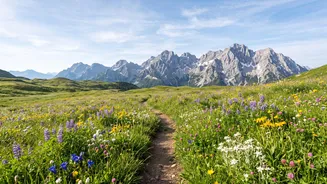
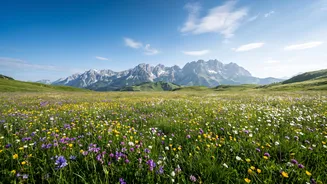
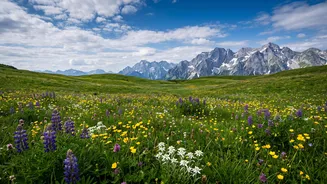
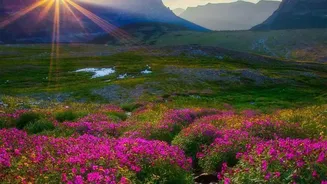
gardens. This explosion of life is not just a beautiful sight; it's a vital part of the alpine ecosystem, providing food for pollinators like butterflies and bees. The meadows feature a wide variety of species, from the iconic Edelweiss to fields of fiery Alpine Roses and deep blue Gentian, creating a different tapestry of colours at every altitude.
When to Witness the Spectacle
Timing is everything when it comes to seeing the alpine flowers at their peak. The season generally runs from late spring through summer, but the exact timing depends on altitude and the previous winter's snowfall. The bloom often begins with crocuses in the valleys as early as April or May. The main event, however, kicks off from mid-June to August, which is the prime season to see the widest variety of flowers. In June and July, the lower and mid-altitude meadows are ablaze with colour, featuring the famous Alpine Rose, or 'Almrausch'. As summer progresses, the bloom line moves higher, with late-bloomers like Edelweiss often appearing in rocky, high-altitude spots from July through September.
Top Regions and Trails for Flower Hikes
Austria offers countless trails, but a few regions are particularly renowned for their floral displays. The province of Tyrol is a top destination, with areas like the Zillertal Valley, Stubai Valley, and the Kitzbüheler Horn offering well-marked paths through spectacular scenery. The 'Alpenrosenweg' (Alpine Rose Trail) near St. Anton am Arlberg is a highlight in June and July when the slopes turn a brilliant pink. Hohe Tauern National Park, Austria's largest protected area, is another hotspot, with dedicated flower trails like the Oberseite Alpine flower trail providing insight into the diverse plant life. For those seeking panoramic views alongside floral carpets, the Grossglockner High Alpine Road offers access to some of the most species-rich meadows in the Alps.
A Field Guide to Iconic Alpine Flowers
While hiking, keep an eye out for some of the Alps' most treasured flowers. The most famous is undoubtedly the Edelweiss, a white, star-shaped flower that grows on high, rocky limestone slopes and is a protected species. You're more likely to see the vibrant Trumpet Gentian, whose deep blue flowers can blanket entire meadows. Another common sight is the Alpine Rose, a type of rhododendron whose pink and red blossoms create a phenomenon locals call the 'mountain fire'. You might also spot the sunny yellow Arnica, purple bellflowers, and dozens of wild orchid species.
Tips for a Respectful Hike
To ensure these beautiful landscapes remain for generations to come, it's crucial to hike responsibly. Always stay on marked trails to avoid trampling the delicate vegetation. Many alpine flowers, including the iconic Edelweiss and certain orchids, are protected by law, and picking them is strictly forbidden. Remember the saying: 'take only pictures, leave only footprints'. Before setting out, check local weather conditions, as mountain weather can change rapidly. Wear sturdy hiking boots and bring layers of clothing, water, and snacks. Many huts along the trails offer a chance to rest and enjoy some hearty Austrian hospitality.