

A Rescue Mission Interrupted
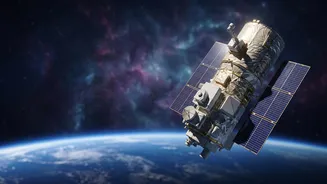
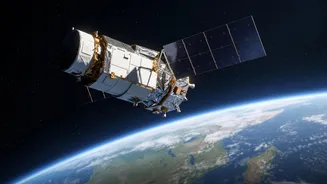
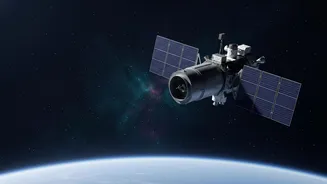
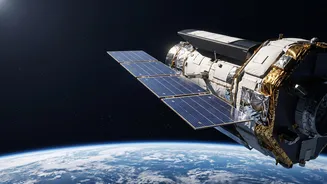
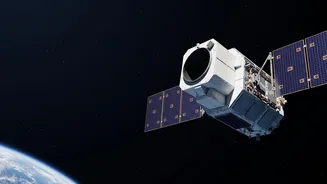
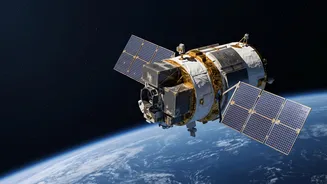
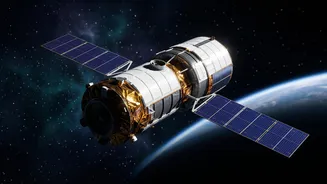
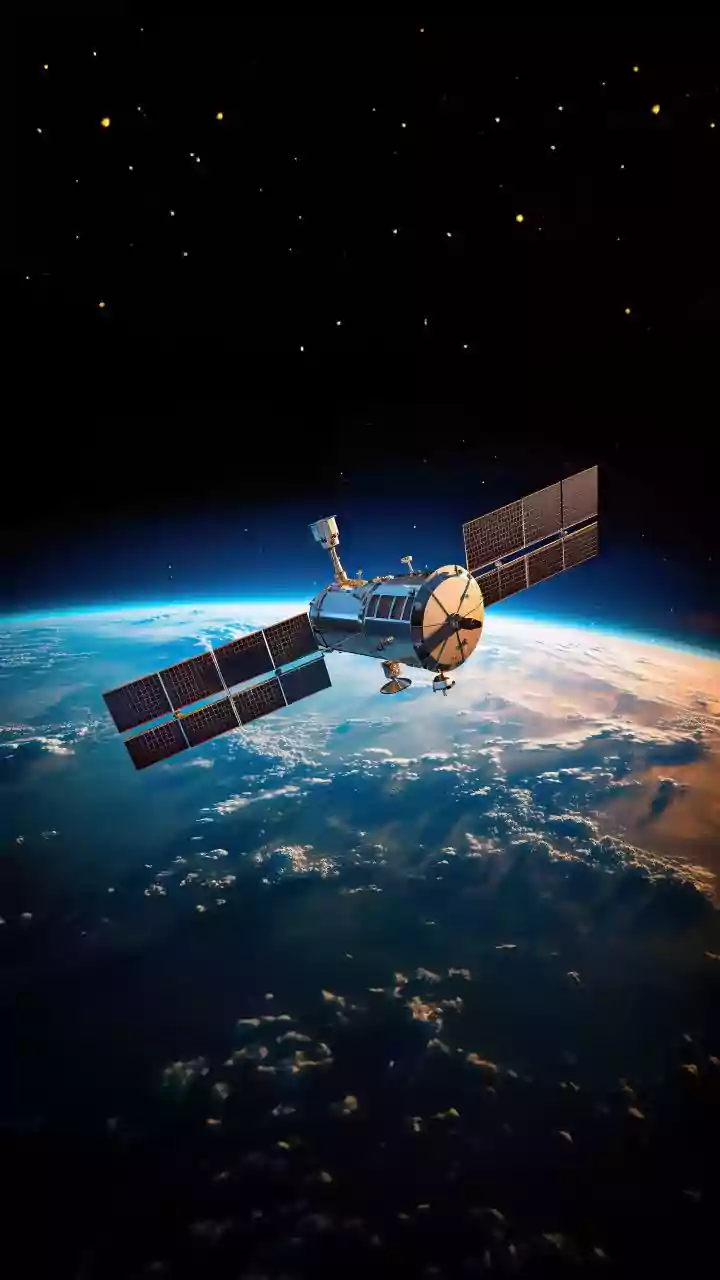
The plan was ambitious: for the first time, a private company was contracted to send a robotic servicing spacecraft to grab and physically push a NASA satellite into a more stable orbit. The satellite in question was the Neil Gehrels Swift Observatory,
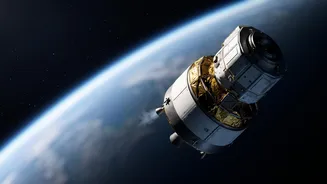
a prolific hunter of gamma-ray bursts launched in 2004. After more than two decades of service, its orbit had decayed due to atmospheric drag, accelerated by recent intense solar activity, putting it at risk of a fiery reentry into Earth's atmosphere. Katalyst Space Technologies launched its LINK servicer spacecraft on July 3, 2026, to perform this crucial boost. However, the rescue mission itself soon needed rescuing. In late July, the LINK spacecraft entered an uncontrolled spin due to malfunctions in its attitude control system, complicated by overheating electronics.
The Difficult Decision to Cancel
Despite efforts by engineers to regain control, the ongoing issues with the LINK spacecraft proved insurmountable. In mid-August, NASA and Katalyst formally announced they would abandon the attempt to capture and boost Swift. The risk and complexity were too high. While a disappointing outcome, NASA Administrator Jared Isaacman framed it as a necessary and 'smart risk'. The mission was always a long shot, with a contract awarded in 2025 that gave Katalyst less than a year to design and build the spacecraft for the urgent task. The failure means the Swift observatory, a $500 million asset that has revolutionized our understanding of the universe's most powerful explosions, will likely reenter the atmosphere and burn up before the end of the year.
A Legacy of Discovery Nears its End
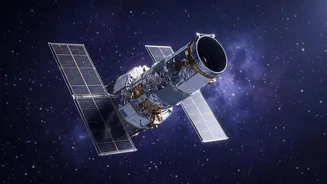
Even without the boost, the Swift mission is a monumental success. Designed for a two-year mission, it has operated for over two decades, detecting not only gamma-ray bursts but also providing rapid-response observations of supernovae and other cosmic events. Thanks to Swift, scientists confirmed that merging neutron stars are a primary source for many of the universe's heavy elements, like gold and platinum. Though its main science instruments were turned off earlier in the year to conserve altitude, its demise will leave a gap in astronomers' ability to rapidly respond to transient celestial events. As a consolation, the LINK spacecraft will still attempt to fly in proximity to Swift to test rendezvous and autonomous operations, gathering valuable data for future satellite servicing missions.
Pivoting to the Future: Laser Communications
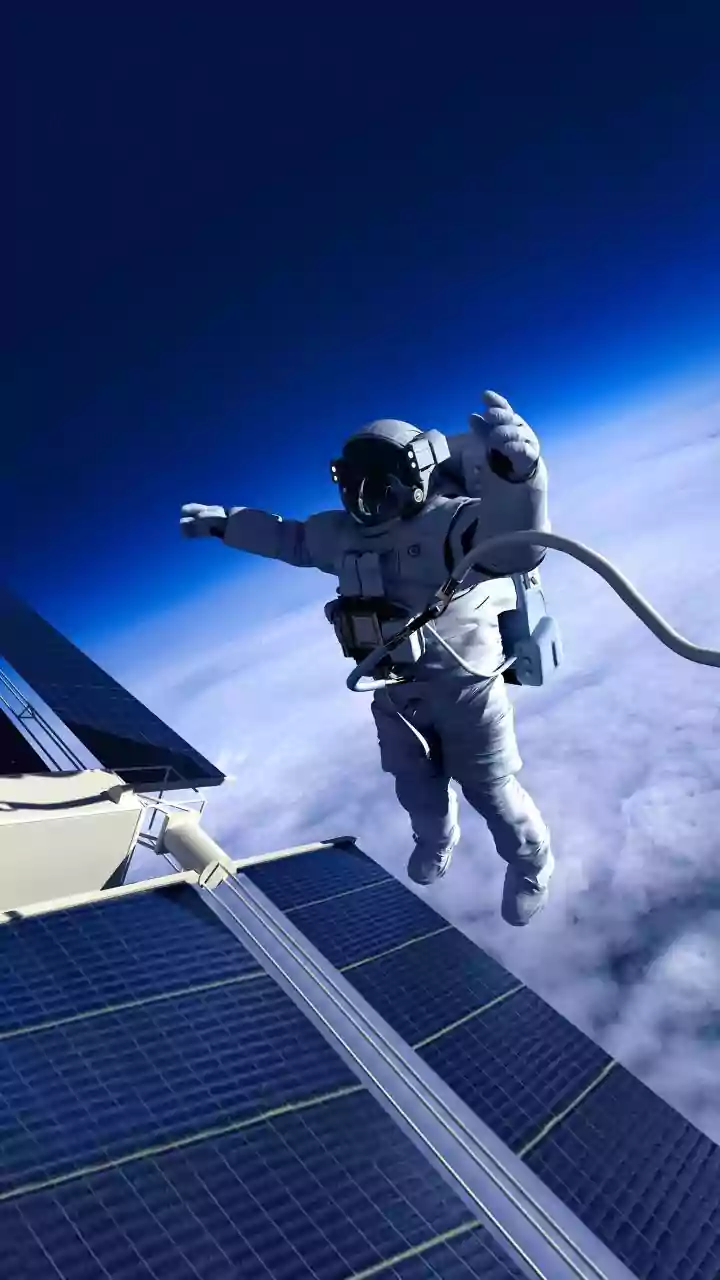
Even as the Swift rescue ends, NASA is actively pursuing other in-space demonstrations that promise to redefine space operations. A key project is the Integrated LCRD Low-Earth Orbit User Modem and Amplifier Terminal, or ILLUMA-T. This system, installed on the International Space Station, is part of NASA's first two-way, end-to-end laser communications relay. Instead of relying on traditional radio waves, laser communications use infrared light to transmit data at much higher rates. The ILLUMA-T terminal sends data to the Laser Communications Relay Demonstration (LCRD) satellite in a higher orbit at an impressive 1.2 gigabits-per-second, which then beams the information to ground stations on Earth. This technology will allow future missions to send back massive amounts of data, including high-definition video, far more quickly than current systems allow, accelerating the pace of discovery.
Harnessing Light: The Solar Cruiser
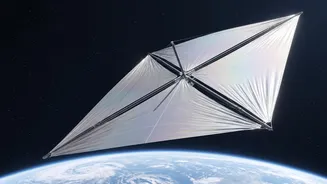
Another futuristic technology NASA is backing is solar sailing. The Solar Cruiser project aims to demonstrate the viability of using a massive, 1,650-square-meter sail to propel a spacecraft. Made of a lightweight, reflective material, a solar sail uses the continuous pressure from photons—particles of sunlight—for thrust. This eliminates the need for heavy, conventional propellants, which limit the duration and scope of space missions. Although an earlier launch plan was shelved due to a technical issue, a private company recently purchased a dedicated Falcon 9 rocket for a Solar Cruiser mission targeted for 2028. This technology could enable entirely new kinds of missions, such as stationing a spacecraft in a fixed position between the Earth and Sun to provide much earlier warnings of solar storms.