


What is Fermentation, Really?
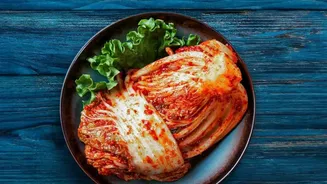
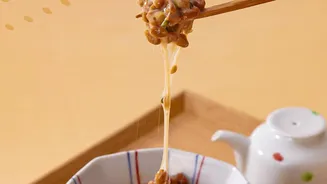
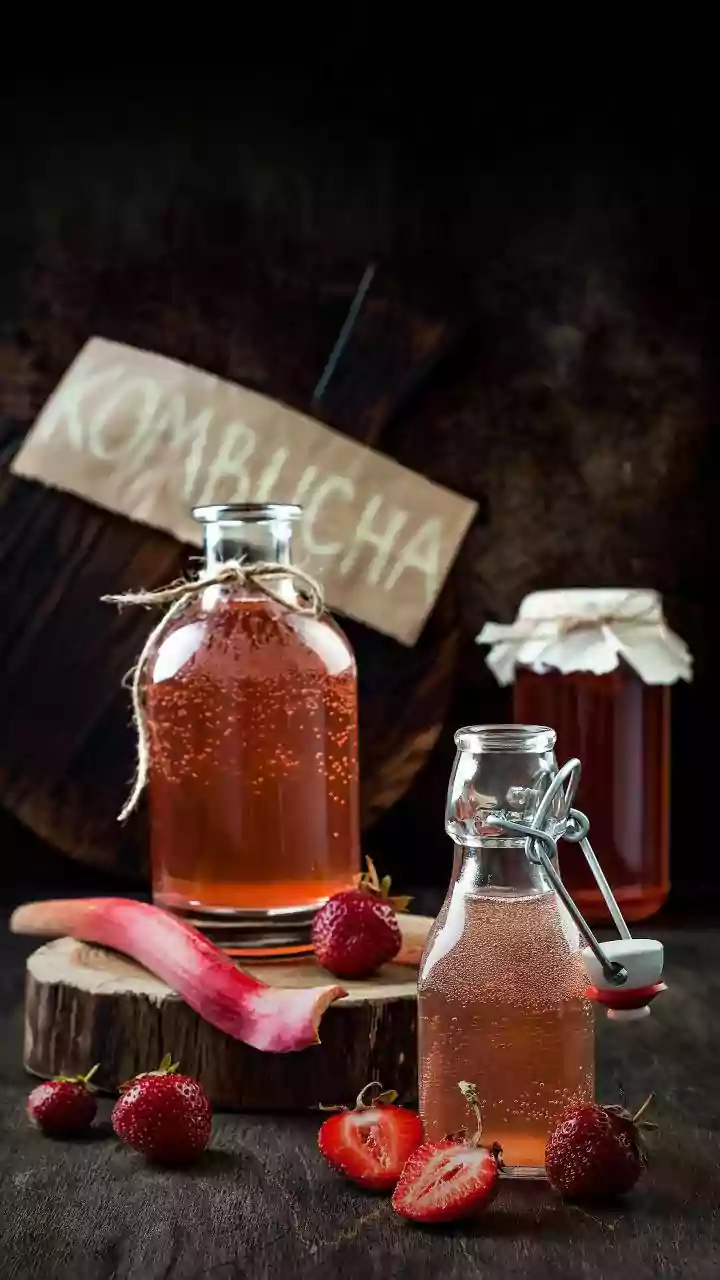
At its core, fermentation is a natural process where microorganisms like yeast and bacteria break down components in food, such as sugars and starches. This ancient method of preservation not only extends the shelf life of food but also transforms its flavour
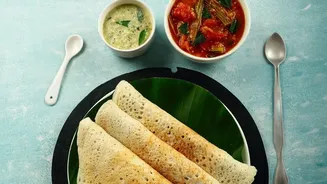
and texture, creating the tangy taste in dosa batter or the spongy lightness of dhokla. More importantly, this process creates beneficial compounds and makes nutrients easier for our bodies to absorb. These foods become a source of probiotics—live beneficial bacteria that can support a healthy gut.
Why They Suit the Monsoon Season
The rainy season is notorious for weakening our digestive fire, or 'Agni' as Ayurveda calls it. The damp, humid weather can make our digestive systems slow and more susceptible to infections. This is where fermented foods can play a helpful role. Being pre-digested by microbes, they are generally light and easy on the stomach. The probiotics they contain can help maintain a healthy balance of gut bacteria, which is crucial for good digestion and supporting your body's natural defence mechanisms during a season when immunity can take a dip.
The South Indian Breakfast Club
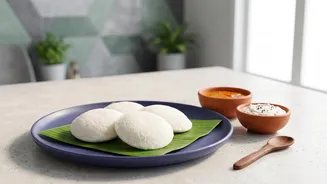
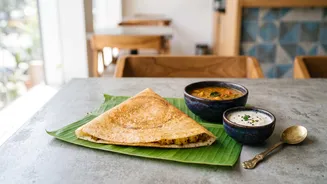
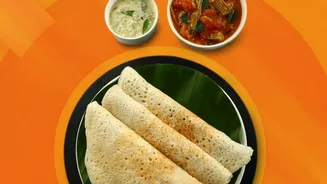
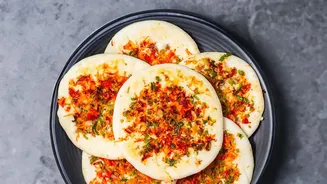
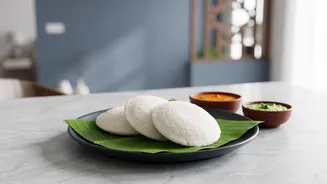
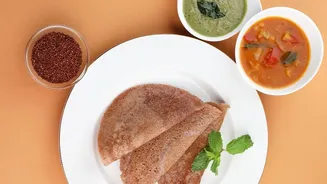
Some of the most popular and accessible fermented foods are South Indian staples. Idli, dosa, and appam are made from a batter of rice and lentils that is fermented overnight. This process doesn't just give them their characteristic sour tang; it also makes these dishes incredibly light and easy to digest. They provide a steady release of energy, making them an excellent choice for a comforting breakfast or a light dinner that won’t leave you feeling heavy or bloated.
Don't Forget Dahi and Dhokla
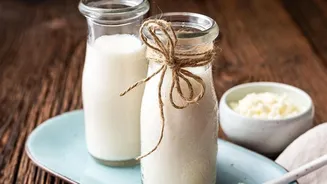
Perhaps the most common fermented food in India is homemade curd, or dahi. A daily bowl of fresh dahi is a simple way to introduce live bacterial cultures into your diet, which aids digestion and can help prevent bloating. Similarly, the popular Gujarati snack dhokla is made from a fermented batter of gram flour (besan) or rice and chickpeas. This steaming process results in a soft, spongy snack that is not only delicious but also gentle on the digestive system.
A Note on Pickles and Moderation
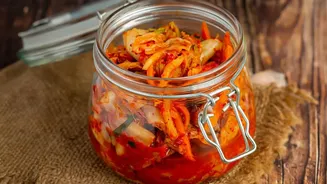
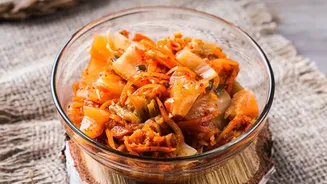
Traditional Indian pickles (achar), when made through lacto-fermentation rather than with vinegar, are also a source of probiotics. They act as a flavourful accomplice, adding a zesty kick to an otherwise simple meal. However, they are often high in salt and oil, so moderation is key. A small spoonful can liven up your plate, but it's wise to be mindful of the quantity, especially for those monitoring their salt intake.
Variety, Not Miracles
It's important to approach fermented foods with a balanced perspective. They are not a magic bullet. While studies suggest they can support gut health, many of the more dramatic health claims are often overstated. The benefits are more likely to be felt when they are part of a varied and balanced diet. Consuming too much too quickly can sometimes lead to bloating or discomfort. The goal is to incorporate a variety of these traditional foods into your regular meals, enjoying their unique flavours and textures, rather than expecting them to cure ailments overnight.